

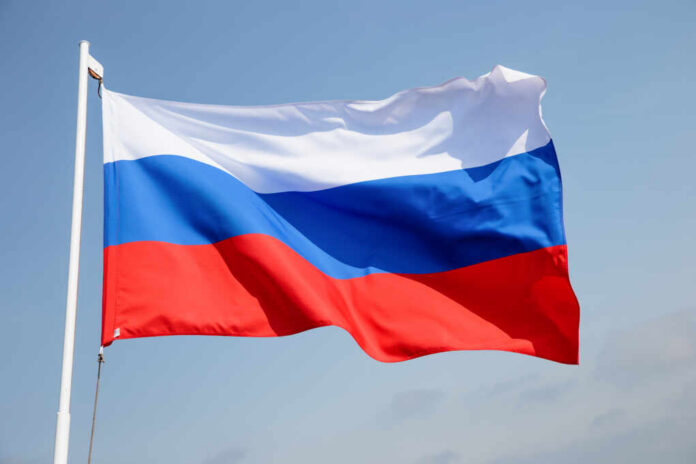
Russia’s Defense Ministry has publicly listed European drone factories as potential military targets, issuing direct threats that could drag NATO countries into open conflict.
Story Highlights
- Russia named specific drone manufacturing sites in 12 countries, including Britain, Germany, Italy, and Spain, as “potential targets” for strikes.
- Dmitry Medvedev warned European partners to “sleep well,” escalating rhetoric amid Ukraine aid efforts.
- One listed Munich address is a residential building, exposing flaws or disinformation in Russian claims.
- Europe presses ahead with massive drone investments despite threats, aiming for two million units annually by 2030.
Russian Defense Ministry Publishes Target Lists
On April 15, 2026, Russia’s Defense Ministry released two lists identifying 11 branches of Ukrainian companies and 10 foreign enterprises producing drone components across Europe. The lists named precise addresses in cities like London, Munich, Prague, Riga, Vilnius, Madrid, Venice, and Haifa, spanning the United Kingdom, Germany, Denmark, Latvia, Lithuania, the Netherlands, Poland, the Czech Republic, Spain, Italy, Israel, and Turkey. Moscow framed this as alerting Europeans to “security threats” from drone production aiding Ukraine. This move marks an unprecedented public designation of civilian commercial sites as military targets, heightening tensions with NATO members.
Medvedev’s Ominous Warning Signals Escalation
Deputy Chairman of Russia’s Security Council Dmitry Medvedev amplified the lists by declaring these facilities “potential targets for the Russian armed forces.” He stated, “When strikes become a reality depends on what comes next. Sleep well, European partners!” This followed Ukrainian President Volodymyr Zelensky’s April 14 meeting with German Chancellor Friedrich Merz in Berlin, where they inspected seven drone models from joint ventures. Russia claims European leaders decided on March 26 to ramp up drone supplies amid Ukraine’s losses, though this lacks independent verification. Such explicit threats test NATO resolve and risk broader war.
Flaws in Russian Lists Undermine Credibility
Independent verification revealed at least one inaccuracy: Lerchenauer Strasse 28 in Munich, listed as a drone facility, is a residential building. This error raises doubts about Russian intelligence quality or suggests deliberate disinformation to sow fear. Despite these issues, the publication intensifies information warfare, portraying Europe as Ukraine’s “strategic support base.” European nations face immediate security challenges, with named firms needing enhanced protections. For Americans watching from afar, this highlights how endless foreign entanglements abroad threaten stability at home, echoing frustrations with globalist policies that prioritize overseas conflicts over domestic priorities.
Europe Doubles Down on Drone Production
European responses show defiance. Germany committed €10 billion to military drones, France announced €8.5 billion to quadruple stocks by 2030, and the EU launched the 2026 European Drone Defence Initiative for counter-drone systems by 2027. Plans target over two million drones annually, partly funded by frozen Russian assets. Joint Ukrainian-European ventures bypass bureaucracy by frontline-testing prototypes. Russian airspace violations—37 since 2022—underscore the urgency. This acceleration paradoxically strengthens Europe’s defenses, turning threats into catalysts for industrial resilience amid NATO pressures.
WW3 WATCH: Russia Threatens Drone Manufacturing Enterprises in European Countries Supplying Drones to Ukraine – Britain, Germany, Italy and Spain Among Them
READ: https://t.co/UeB0S7dIRt pic.twitter.com/k3fIOWGB35
— The Gateway Pundit (@gatewaypundit) April 16, 2026
Implications for Global Stability and U.S. Interests
Short-term, targeted facilities risk strikes, operational disruptions, and civilian exposure near urban areas. Long-term, this sets a precedent for attacking commercial infrastructure, challenging NATO cohesion. Russia aims to deter production but faces alliance deterrence limiting sustained attacks. For President Trump’s America First agenda, Europe’s escalation pulls resources from U.S. priorities like border security and energy independence. Both conservatives frustrated by globalism and liberals wary of elite-driven wars share concerns over federal overreach abroad mirroring domestic failures. This demands vigilance against deep state entanglements eroding founding principles of sovereignty and limited government.
Sources:
Russia warns Europe leaders are dragging nations deeper into war, reveals drone site locations
Mass drone warfare is Europe’s rising security threat