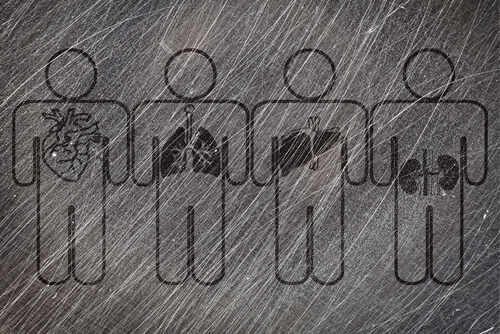
Saturated fats from everyday foods like meat and dairy now stand as the dietary fat most strongly tied to higher cancer risks, challenging Americans to rethink their plates amid government failures to protect public health.
Story Highlights
- Saturated fat intake links to 10% higher breast cancer risk, 31% higher gastric cancer, and 34% higher liver cancer compared to other fats.
- MIT 2025 study shows high-fat diets revert liver cells to immature states, causing near-100% liver cancer in mice.
- Historical research since 1930 consistently connects saturated fats in animal products to cancer promotion via inflammation and obesity.
- Women, especially premenopausal, face elevated risks from high animal fat diets, per Nurses’ Health Study II.
- Consensus urges focusing on fat quality over quantity, with calls for more research on causation.
Saturated Fat Emerges as Top Cancer Risk Factor
Recent studies pinpoint saturated fat as the dietary fat type most associated with elevated cancer risks. High intake correlates with 10% increased breast cancer risk, 31% higher gastric cancer risk, and 34% higher liver cancer risk. These figures exceed risks from monounsaturated or polyunsaturated fats. Sources like meat, dairy, and tropical oils supply most saturated fats in American diets. This finding shifts emphasis from total fat to fat quality for prevention. Public frustration grows as federal health agencies lag in translating science to actionable guidance for families.
Mechanisms and Historical Evidence
Research traces dietary fat-cancer links to 1930 experiments where mice fed butter showed higher tumor rates. Rodent studies confirm high-fat diets promote cancer through inflammation, gut microbiota changes, obesity, and oxidative stress. The 2025 MIT study reveals high-fat diets revert liver cells to immature states, leading to near-100% liver cancer incidence in mice. Nurses’ Health Study II data shows premenopausal women on high animal fat diets face 40-50% higher breast cancer risk. These patterns demand personal vigilance when government nutrition advice falls short.
Specific Cancer Risks and Comparisons
European cohort studies link high saturated fat intake—47.5 grams daily versus 15.4 grams—to hormone-receptor-positive, HER2-negative breast cancers. Liver cancer risks spike 34% with elevated saturated fat, driven by cellular immaturity. Gastric cancer rises 31%, unique to saturated over other fats. Observational data dominates, with experts noting associations but not proven causation. BreastCancer.org calls for further research. Conservatives value self-reliance in health choices, wary of elite-driven policies that ignore such evidence while pushing flawed agendas.
Obesity confounds effects, tying high-fat diets to 11 cancer types via chronic inflammation. Harvard research highlights animal fats’ risks in young women due to hormonal influences.
Stakeholders and Broader Impacts
MIT researchers like Anne K. Hansen probe liver cancer mechanisms. Harvard’s Nurses’ Health team and NIH analysts provide population data. Nonprofits such as BreastCancer.org translate findings into advice. Meat and dairy industries face scrutiny, while unsaturated fat sectors may gain. Short-term dietary shifts to under 15 grams saturated fat daily could lower risks. Long-term, this mitigates obesity-driven cancers, potentially saving healthcare costs. Bipartisan distrust in elites grows as policies favor reelection over tackling root causes like poor dietary guidance.
Expert Consensus and Limitations
NIH affirms saturated fats pose higher breast cancer risks than others, worsened by microbiota and reactive oxygen species. Canadian Cancer Society suspects high-fat diets but notes unproven links. NCI connects fats to colon and lung cancers. Diverse views stress observational limits and obesity confounders. Vegetable fats appear neutral. Ongoing trials test omega-3 interventions. Americans on both sides agree: government prioritizes power over preventing crises like rising diet-linked cancers that erode the American Dream of health through hard work.
Sources:
High-Fat Diet Linked to Breast Cancer
Study: High-fat diets make liver cells more likely to become cancerous
Study Shows Saturated Fat Is Most Linked To Higher Cancer Risk
PMC Article on Dietary Fats and Cancer
Dietary Fat and Disease – Harvard Nutrition Source
Cancer Progress Report: Fat Consumption
The Truth About Fat – Canadian Cancer Society