
Three U.S. Secret Service communications officials were put on leave as leaders probe potential misconduct tied to possible unauthorized disclosures, raising fresh questions about internal controls at an agency that guards the nation’s top leaders.
Story Snapshot
- The Secret Service confirmed three non-law enforcement employees are on administrative leave pending an internal review.
- The inquiry follows a summer case where an agent on Vice President JD Vance’s detail faced a leak investigation.
- The Office of Professional Responsibility is handling the probe, with few details released so far.
- Past scandals show the agency often uses leave and clearance steps early in inquiries.
Agency Confirms Three Communications Officials Are On Leave
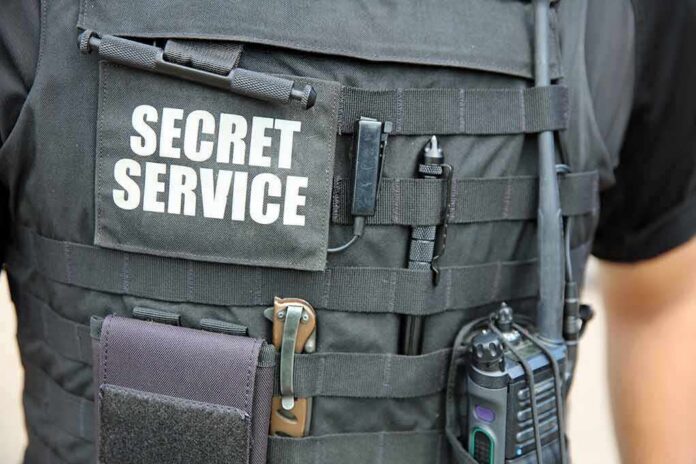
The U.S. Secret Service said three non-law enforcement employees in its communications shop were placed on administrative leave while investigators review potential misconduct. A spokesperson said the Office of Professional Responsibility is leading the inquiry and declined to share further details, citing policy and the active review. The statement confirms the status change but does not describe the alleged behavior under review or name those involved, which is common for early-stage personnel investigations.
The agency’s public posture mirrors standard internal controls: separate involved staff, preserve records, and assign the case to professional responsibility units. Officials often use leave at the outset to protect sensitive systems and reduce risks while facts are gathered. That step signals seriousness but is not a final judgment. The Secret Service has stressed in prior matters that early actions aim to protect operations and the integrity of the process while evidence is collected and reviewed.
Recent Leak Allegations Involving Vice President’s Detail
The new action follows a separate case this summer involving a Secret Service agent assigned to Vice President JD Vance. In July, the agency opened an administrative investigation, and a potential criminal review, into allegations that the agent leaked operational details about the vice president’s travel to a news outlet. The agent was placed on leave during that process, according to an agency statement by spokesperson Anthony Guglielmi reported at the time.
That earlier case highlighted the security stakes around information control. Travel routes, timing, and security procedures are among the most guarded details in protective work. When those details leak, even small bits can expose patterns or gaps. That is why the agency moves fast to isolate potential sources, restrict system access, and start interviews. Leaders say those steps help protect current operations while the facts are tested in an orderly way.
Pattern of Early Administrative Steps in Past Scandals
Past episodes show a familiar sequence. During the Cartagena scandal, the agency placed multiple employees on leave and suspended clearances early while investigators worked through the facts. The Department of Homeland Security’s Office of Inspector General later described those steps as part of standard protective measures during internal probes. Administrative leave and clearance actions help secure information and reduce risks while evidence is examined.
3 Secret Service officials under internal investigation for potential misconduct. Coming from 3 assassination attempts against Pres Trump and their investigations https://t.co/IRUapY7QRU
— Richard Wiechmann (@RFWiechmann) August 26, 2026
Congressional and oversight records over the years document repeated use of these measures when allegations arise. Officials emphasize that such steps are interim, not proof of wrongdoing. Still, the repeated need for them fuels public concern about discipline, culture, and leadership inside one of the government’s most sensitive agencies. Each new probe reopens old questions about whether internal checks are strong enough to stop problems before they threaten safety or public trust.
Why This Matters Across the Political Spectrum
Americans across parties want the Secret Service to protect leaders without drama or leaks. Conservatives and liberals alike worry when insiders may share sensitive details or cut corners. These cases come as the country faces sharp debates over power, accountability, and the role of government. When elite agencies struggle with basics like information security and professional conduct, many see it as one more sign that the system protects insiders rather than the public it serves.
What Comes Next in the Internal Review
The Office of Professional Responsibility will likely collect devices, pull logs, and interview employees to trace any unauthorized disclosures. Investigators will try to match time stamps, access records, and communication trails to specific events. If they confirm misconduct, discipline could range from reprimands to removal and possible referral for criminal review. If not, employees could return to duty. For now, the agency says it will not comment further until the review advances.
Sources:
redstate.com, cnn.com, youtube.com, facebook.com