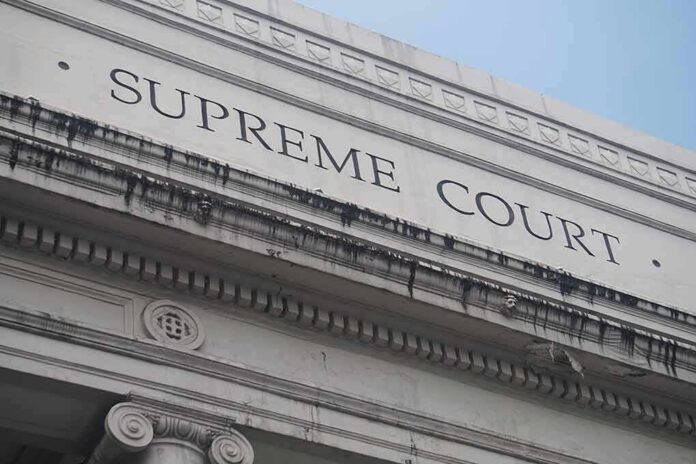
The Supreme Court stopped new national limits on mail ballots from taking effect before the midterm elections, keeping current rules in place for millions of voters.
Story Snapshot
- The Supreme Court left in place a lower-court block on the Postal Service’s new mail-ballot rule.
- The decision affects the fast-approaching midterms by preserving existing mail-voting practices.
- Lower courts said the rule likely exceeded federal authority and risked blocking eligible voters.
- The ruling did not decide the final legality of President Trump’s policy.
What The Supreme Court Did And Did Not Decide
The Supreme Court declined the Trump administration’s emergency request to let the Postal Service enforce parts of its new ballot mail rule before the election. The unsigned order leaves a Boston judge’s injunction in place. That means states and local offices keep using their current mail-ballot systems this fall. The Court did not rule on whether the executive order or the Postal Service rule is legal in the long run, so the lawsuits continue.
Earlier in the cycle, the Court allowed parts of the executive order to move forward in a separate case, which led to quick shifts in several lower courts. Soon after, the Boston judge issued and then extended a block on the Postal Service’s rule, finding it likely exceeded federal power over elections. The appeals court refused to pause that block, keeping it in place during the appeal. Monday’s move by the Supreme Court cements that pause through the midterms.
What The Blocked Postal Service Rule Tried To Change
The Postal Service rule grew out of President Trump’s March executive order on mail voting. The rule sought new national design and processing standards for ballot envelopes and told Postal Service staff to reject some outbound election mail that did not comply, according to court filings and summaries. Supporters said the standards would reduce errors and fraud risk. Opponents said the agency was deciding who could vote by mail, which they say only states and Congress can do.
Democratic-led states and voting rights groups argued the rule would force states to meet new federal demands fast, risking late changes that could confuse voters or block ballots from eligible citizens. The district judge agreed the challengers were likely to win on claims that the executive branch cannot seize election powers, and that Congress never gave the Postal Service such authority. The American Civil Liberties Union and others called the rule “likely unconstitutional” and warned of broad disenfranchisement if it took effect this fall.
Why Voters And Election Officials Care Right Now
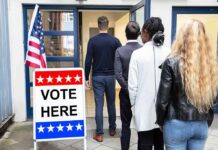
Election officials are in the final stretch before voting starts. Rapid rule changes can strain printers, ballot tracking, and voter outreach. By keeping the injunction, the Supreme Court avoided last-minute shifts to envelopes and mail workflows that states did not plan for. That reduces the chance of misprints, rejected mail pieces, or confused voters who already got instructions from their local offices. Stability, not politics, often drives these pre-election court calls.
For many readers, the deeper fight is about trust and control. Some conservatives want tighter guardrails to prevent cheating. Some liberals see federal moves as efforts to block votes. A growing middle worries that powerful agencies and politicians keep changing rules close to Election Day. The Court’s order means voters will use familiar mail rules in November while the bigger question waits: who sets election mail standards in America, and how far can Washington go?
Sources:
youtube.com, scotusblog.com, congress.gov, cnbc.com, npr.org, cnn.com, reuters.com, washingtonpost.com, aclu.org, votebeat.org, supremecourt.gov