
Washington’s quiet deal to restart U.S.-Venezuela military ties, months after Nicolás Maduro’s capture, puts power over transparency—and raises hard questions both parties should demand answered.
Story Snapshot
- U.S. and Venezuela signed a military cooperation deal covering training and intelligence sharing.
- The agreement follows U.S. forces seizing Maduro and flying him to New York on drug charges.
- Public details are thin: no text, signatories, timeline, or funding disclosed yet.
- Cooperation resumes ties cut in 2005, marking a major policy shift in the region.
What Officials Announced In Caracas
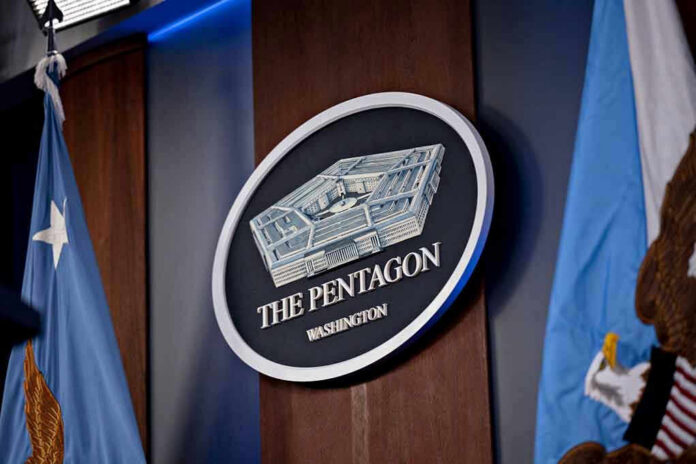
United States Defense Secretary Pete Hegseth said in Caracas that the United States and Venezuela signed a deal to reestablish military ties. He described plans for joint training, intelligence sharing, and added defense equipment and capabilities. He called the agreement “historic.” He did not release the text or list its legal terms. The announcement came during meetings with Venezuela’s interim leaders. The statement presented Venezuela as a new security partner after a long break in ties.
United States outlets also reported the broad scope of cooperation. Reports repeated that the militaries would train together and share information. They did not identify which units would participate or how operations would be approved. They did not describe oversight, spending, or limits on access to bases. That absence leaves lawmakers, courts, and the public to ask key questions later. It also leaves room for competing claims about what the deal actually permits.
How We Got Here: From Raid To Reset
Reporters linked the new deal to events ten months earlier. They wrote that United States forces seized then-Venezuelan President Nicolás Maduro in Caracas and flew him to New York to face drug-trafficking charges. Court coverage quoted Maduro saying “I was captured,” through an interpreter. That operation cleared the path for interim authorities to take power. The new leaders then engaged Washington on security and energy priorities, including this military cooperation step.
News wires framed the cooperation as a return to an old channel. They noted that military ties between the two countries had been suspended for roughly two decades. Resuming coordination after a 21-year gap signals a regional realignment. It may also influence counter-narcotics work and maritime security. Still, history shows that fixing broken institutions is slower and tougher than a single operation or signing ceremony. Stability will depend on clear rules and shared legitimacy.
Why The Details Matter For Americans
Voters on the right and left worry that secretive security deals grow government power without proof of results. This agreement has no public text yet. There is no posted duration, oversight plan, or budget line. That fuels concern that elites make choices first and explain later. Supporters will say cooperation can choke drug routes and curb foreign meddling. Skeptics will ask who is accountable if missions expand or if local freedoms shrink in the name of security.
US War Secretary Pete Hegseth announced a military cooperation agreement with #Venezuela during his visit to Caracas, according to Venezuelan state television.#Hegseth described the agreement as the "reestablishment of our defense partnership" and said it opens room for the… pic.twitter.com/f4yXmJxAqY
— Al Mayadeen English (@MayadeenEnglish) November 18, 2026
Some outlets reported criticism that Venezuela could slip into dependency on Washington. Others warned that a broad deal might enable a long-term United States presence. Those claims remain assertions without the agreement text. They reflect a common worry: once troops train together and share intelligence, footprints can grow. That is why clear limits, publication of terms, and legislative oversight are standard guardrails in healthy democracies.
What To Watch Next: Proof, Limits, and Oversight
Congress should request the signed agreement and any annexes. Committees can ask for the chain of approval, rules for deployments, and reporting deadlines. Courts and inspectors general can review custody records tied to the January operation and the transfer to New York. If cooperation proceeds, both governments should release measurable goals on drug seizures, border security, and human rights. Citizens deserve outcomes, not slogans. Transparency will either build trust—or confirm the critics.
Sources:
youtube.com, usnews.com, upi.com, wrtv.com, whio.com, efe.com, yahoo.com