
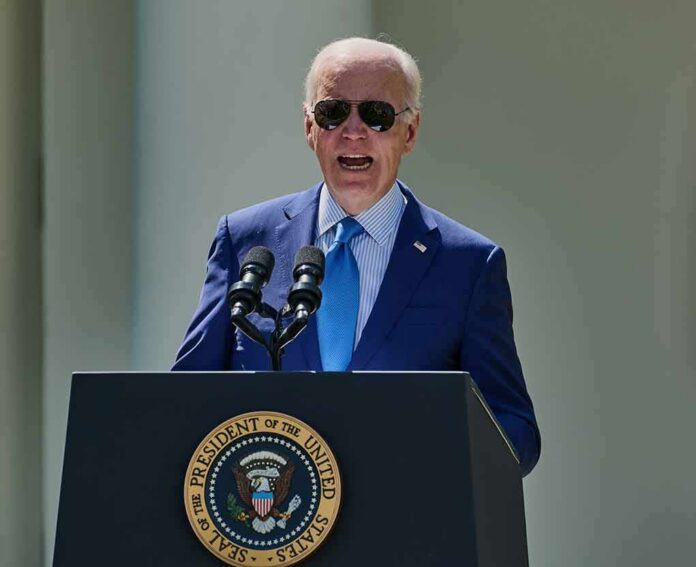
Jill Biden said she feared Joe Biden was having a stroke during the 2024 debate, reviving the fight over how much presidents tell the public about their health.
Story Snapshot
- Jill Biden said she briefly feared a stroke as she watched the 2024 debate.
- Joe Biden later said doctors told him he was exhausted and had a bad cold.
- The White House cited a brief post-debate check and no signs of stroke in exams.
- The clash highlights a long pattern of selective presidential health disclosures.
What Jill Biden Said And Why It Landed Hard
CBS News aired comments where Jill Biden said the debate “scared me to death,” and that she thought her husband might be having a stroke. She said she had never seen him like that before or since. Her account was personal, not a diagnosis, but it carried weight because she was closest to him that night. The remarks reopened questions many voters had after the shaky performance and again put presidential health at center stage.
Jill Biden’s fear tracked with what millions saw on live television. But her comments did not claim a cause. They added emotion to a matter that already divided the public. The detail that she had “never ever” seen him that way before or after pointed to a one-night problem, not a steady decline, in her view. Still, once spoken, the stroke worry became a headline and deepened demands for records and tests.
What Doctors And The White House Reported After The Debate
Joe Biden later said his physician told him he was exhausted and fighting a bad cold. He said doctors checked him for an infection or virus and told him it was not that, but that he had been sick and worn down. He also said no one told him he needed cognitive testing. These points came in interviews as he tried to steady support and explain the poor debate night.
The White House said he was seen regarding his cold days after the debate, and that the contact was brief. A spokesperson described it as a check for his illness, not a full exam or physical. That framing aimed to quiet speculation about a serious event that night. The message was simple: there was no emergency, and the president was recovering from a routine illness.
What The Physician’s Letter Ruled Out
Months later, the president’s doctor, Kevin O’Connor, said a very detailed neurologic exam again showed no signs of stroke, multiple sclerosis, Parkinson’s disease, or amyotrophic lateral sclerosis. This letter sought to close the door on the scariest theories about that debate. It did not release full records, but it did state clear negatives on the major neurological concerns that had fueled chatter after the event.
The doctor’s letter did not support claims of drugging. No public evidence tied the debate performance to any drug exposure. With stroke and similar disorders ruled out by exam, the official record points to exhaustion and illness as the likely mix. That aligns with Biden’s own account. Still, the time gap and limited detail left some people on both sides feeling that leaders choose what to share and when, not what the public needs to know.
Why This Episode Feeds A Larger Trust Problem
Presidents of both parties have a long history of sharing only selected health facts. There is no law that forces full release of medical records. The public often gets short letters and talking points cleared by the White House. That pattern lets questions grow fast, even when doctors rule out serious issues. People who already feel the system protects the powerful see one more example of gatekeeping and spin, not straight answers.
In today’s climate, that gap lands even harder. Conservatives recall years of messaging they see as evasive. Liberals recall times they felt misled by leaders they backed. Many now agree on this point: health information about a president should be timely and clear. Jill Biden’s heartfelt worry, Biden’s illness explanation, a short doctor check, and a later letter together show why trust frays when key details arrive late and in pieces.
What Would Rebuild Confidence Going Forward
Clear standards could help end the cycle. Regular, scheduled health briefings with defined checklists would set fair rules for any president. Rapid disclosures after health scares would cut rumor time. Releasing summaries plus test ranges would give context without breaching full privacy. These steps would not silence every critic, but they would narrow the gap that lets suspicion spread and turn one bad night into months of doubt across the political spectrum.
Voters do not need every chart to understand basic fitness. They do need prompt facts when something looks wrong on live television. Jill Biden’s account and the later medical statements can both be true: a frightening moment that night and no clinical sign of stroke. The public should not have to piece that together week by week. Clear rules can protect privacy and still respect the people presidents serve.
Sources:
pjmedia.com, cnn.com, theguardian.com, c-span.org, hindustantimes.com, edition.cnn.com, washingtonpost.com