
Federal agents decisively dismantled an activist blockade at ICE’s Minneapolis headquarters after protesters attempted to trap agents inside the building.
Story Snapshot
- Several hundred protesters blocked entrances to the Whipple Federal Building Thursday morning in response to a fatal officer-involved shooting the day prior
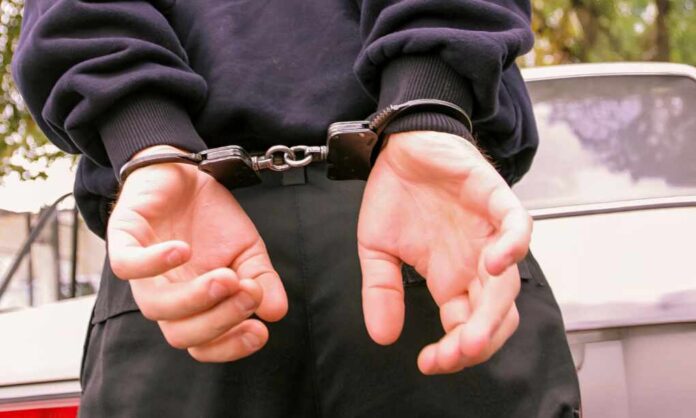
- Federal agents deployed pepper balls and chemical irritants, arresting three demonstrators as the crowd attempted to prevent ICE operations
- The incident stemmed from ICE officer Jonathon Ross shooting U.S. citizen Renee Good after she allegedly drove her vehicle toward agents Wednesday
- Minneapolis Mayor Jacob Frey and Governor Tim Walz contradicted federal terrorism claims, calling them propaganda despite DHS Secretary Kristi Noem’s labeling of the protests.
Blockade Backfires at Federal Building
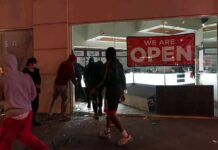
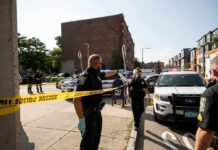
Hundreds of protesters attempted to blockade the Whipple Federal Building in Minneapolis Thursday morning around 8 a.m., positioning themselves at entrances to prevent ICE agents from conducting operations. The demonstration followed Wednesday’s fatal shooting of Renee Good, a 37-year-old U.S. citizen and mother of three, by ICE officer Jonathon Ross near Fort Snelling Park & Ride. Federal agents responded decisively, deploying pepper balls and chemical irritants while making three arrests shortly after the blockade began. The swift federal response demonstrates that attempts to obstruct lawful enforcement operations will not be tolerated under the current administration’s commitment to border security and immigration law enforcement.
They Tried to Trap ICE Inside Its Own Building. It Didn’t Go as Planned.
https://t.co/KosfQfTc2L— Townhall Updates (@TownhallUpdates) January 24, 2026
Conflicting Narratives Over Shooting Incident
The fatal shooting that sparked protests occurred Wednesday morning when ICE officer Jonathon Ross, employed by the agency since 2017, encountered Renee Good’s Honda Pilot. Federal authorities claim Good reversed and drove toward agents, with Ross allegedly dragged 100 yards before deploying his Taser and firearm. However, witnesses and video footage contradict key federal claims, showing agents in unmarked SUVs blocking Good’s vehicle before firing three shots. Minneapolis Mayor Jacob Frey directly challenged the federal account, calling it propaganda and questioning why unmarked agents lacked identification. This discrepancy matters because accurate facts about use-of-force incidents protect both officer safety and citizen rights.
Democrat Officials Reject Federal Terrorism Label
DHS Secretary Kristi Noem characterized the protests as domestic terrorism, a designation echoed by Trump administration officials including Vice President JD Vance. Governor Tim Walz deployed the National Guard and State Patrol for infrastructure protection but explicitly rejected federal propaganda, urging Minnesotans not to believe the administration’s characterization. The partisan divide deepened when federal agents pushed into protesters causing panic, with Mayor Frey and Governor Walz prioritizing witness videos over federal claims. This conflict exemplifies the obstruction Trump faces from Democrat-controlled localities that refuse to cooperate with immigration enforcement, undermining the rule of law and officer safety when agencies must operate without local support.
Federal Response Expands Beyond Building
Following the Thursday blockade, federal authorities erected concrete barriers outside the Whipple Building while dismantling community-erected barriers at Good’s memorial site. Protests expanded to a St. Paul church on Sunday, where activists including Nekima Levy Armstrong were arrested after disrupting services. The DOJ initiated a civil rights probe into the church incident but notably not into Good’s shooting, revealing prosecutorial priorities under the current administration. Federal officials including AG Pam Bondi and FBI Director Kash Patel announced arrests of church protesters, with attorneys praising the decisive action to protect worship spaces. These developments signal that federal enforcement will not be deterred by activist intimidation tactics.
Broader Implications for Immigration Enforcement
The Minneapolis confrontation follows similar patterns in South Portland on January 9, 2026, where CBP faced protests after a shooting, and demonstrations in Los Angeles against ICE operations. The incidents reveal a coordinated national resistance to Trump administration immigration enforcement, with activists attempting to physically block federal buildings and operations. This obstructionism threatens public safety and officer security when agents must operate in hostile environments created by local Democrat leadership that brands enforcement as excessive. The administration’s firm response sets precedent that federal law enforcement will maintain operational capacity despite local political opposition, though the conflicting accounts about Good’s shooting underscore the need for clear officer identification protocols and transparent use-of-force investigations.
Sources:
Minneapolis ICE Agent Shooting Protesters Clash FBI Investigation – CBS Minnesota
Anti-ICE Protest at Minnesota Church Leads to 3 Arrests But No Charges for a Journalist – KPBS
Protestors March Downtown Los Angeles ICE Enforcement Minneapolis – LAist