
The Pentagon referred a recently fired three-star general for potential criminal prosecution after an internal probe tied him to alleged leaks on wars with Iran and Russia-Ukraine conflicts.
Story Highlights
- The Pentagon sent a criminal referral to the Department of Justice after an internal investigation.
- Officials say the alleged leaks touched on Iran war planning and the Russia-Ukraine conflict.
- An Air Force investigative unit confirmed it probed possible unauthorized disclosures.
- A media report says an internal file cites failed polygraphs and an on-camera admission.
Pentagon Referral And What It Means
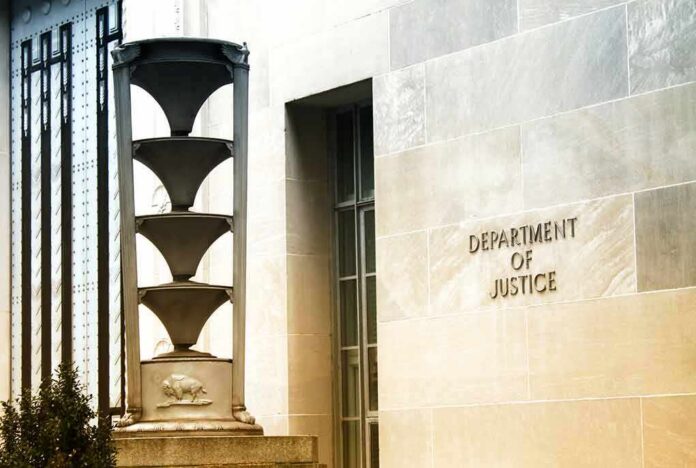
Pentagon chief spokesperson Sean Parnell said the Defense Department took steps to protect sensitive information and referred the matter to the Department of Justice for possible legal action. The referral follows the firing of Army Lieutenant General Brett Sylvia, who served as director of strategy, plans, and policy on the Joint Staff. That job, known inside the building as the J5, shapes military plans across regions and crises, which can involve highly sensitive details.
🚨 BREAKING OVERNIGHT: SecWar Pete Hegseth has FIRED Lt. Gen. Brett Sylvia after he reportedly FAILED three polygraphs about leaking classified information to the press
GOOD RIDDANCE TO ALL LEAKERS! 👋🏻
He's now under investigation over LEAKS about the Iran war. pic.twitter.com/Q4TOSUa9ta
— THE Q_ Storm (@The_QStorm) October 30, 2026
Officials described allegations that classified material tied to Iran war planning and the Russia-Ukraine conflict was shared without authorization. Reporters were told the internal probe examined communications with journalists over about a year. The department has not released the evidence to the public. The referral does not equal charges. Prosecutors will decide if the facts and law support a case. The Pentagon says it has “zero tolerance” for leaking sensitive defense information.
Investigative Claims And Key Timeline
Axios reported that an internal investigative report says Sylvia failed three or four polygraph tests and then admitted on video to leaking information, and that he turned over his personal phone for forensic review. Reporters also cited officials who said contacts with two journalists began as early as June 2025, used the Signal messaging app, and included at least one meeting at a Silver Diner in Arlington, Virginia. The Air Force Office of Special Investigations confirmed it conducted an investigation tied to the Pentagon statement.
Accounts in the public record differ on the number of failed polygraphs, with some outlets citing three and others four. Polygraph results are not the same as proof in court, but investigators often use them as a lead to guide interviews and evidence searches. No indictment or court filing has been reported so far. The Justice Department typically reviews such referrals alongside damage assessments and classification reviews before deciding on charges.
Why This Case Struck A Nerve
This case touches long-running tensions over secrecy, press freedom, and accountability. Military leaders argue leaks can expose plans, put troops at risk, and tip off rivals. Reporters and some past officials argue selective disclosures can also expose mistakes and inform the public. Past studies and reports show the government sends many leak referrals to the Justice Department in a typical year, even if only a fraction lead to charges. That steady flow reflects a system that struggles to balance safety with transparency.
NEW: A three-star Army general admitted leaking classified intelligence about Iran and Ukraine to reporters before being fired by War Secretary Pete Hegseth, according to a new report.
Lt. Gen. Brett Sylvia reportedly confessed on video after failing four polygraph tests, with… pic.twitter.com/7Lp4CUI7jb
— GRANDPA’s FREE ADVICE (@GOP_is_Gutless) October 30, 2026
Americans across the political spectrum see a pattern: powerful insiders often control which facts reach the public and when. When a senior planner is accused of sharing secrets at a diner or on an encrypted app, people worry about double standards and about who pays the price. If prosecutors bring a case, courts will test the evidence and the rules. If not, leaders will face calls to explain how they guard secrets while also guarding the public’s trust.
Sources:
youtube.com, axios.com, aljazeera.com, apnews.com, wjla.com, news.liga.net