

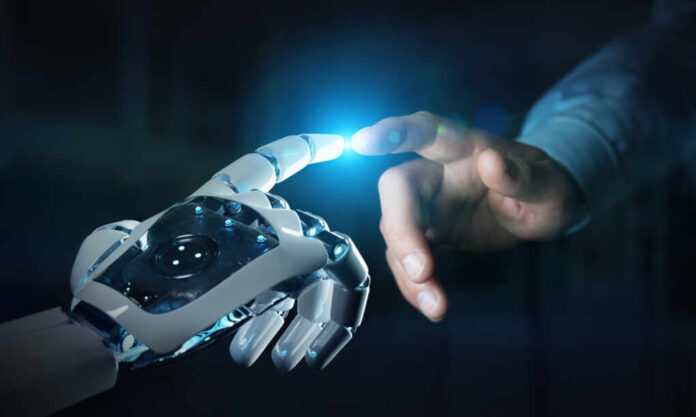
China’s unveiling of a humanoid pregnancy robot threatens to fundamentally dismantle traditional family values and natural childbirth.
Story Snapshot
- Chinese company Kaiwa Technology announces world’s first humanoid pregnancy robot with artificial womb for $14,000
- Project aims to replace traditional surrogacy with machine-based human gestation by 2026 prototype debut
- Technology raises unprecedented ethical concerns about commodifying childbirth and eliminating maternal bonding
- Regulatory authorities in China already engaged in policy discussions despite profound moral implications
China’s Bold Push Into Artificial Human Gestation
Dr. Zhang Qifeng’s Kaiwa Technology stunned the 2025 World Robot Conference in Beijing by announcing development of a humanoid robot equipped with an artificial womb capable of carrying human fetuses to full term. The Guangzhou-based company claims their artificial womb technology has reached a mature stage and can be integrated into humanoid robots for complete gestation and delivery. This represents China’s latest attempt to dominate emerging biotechnology markets while challenging fundamental concepts of human reproduction and family formation.
China’s Kaiwa Tech unveils world’s first robot surrogate to birth human babies! Artificial womb mimics pregnancy, but no maternal bond. Fertility fix or ethical mess? @derekgilbert pic.twitter.com/USHP4ymGpZ
— Joshua Paul 𓃠 (@FelisRevolt) August 17, 2025
Economic Disruption of Traditional Surrogacy Market
Kaiwa Technology targets a revolutionary price point of approximately $14,000 for their pregnancy robot service, dramatically undercutting traditional surrogacy costs that range from $100,000 to $200,000 in the United States. This pricing strategy threatens to disrupt established fertility and surrogacy industries while potentially commodifying human reproduction in ways that reduce childbearing to a commercial transaction. The company positions this technology as a solution for infertile couples, but the implications extend far beyond medical necessity into reshaping societal norms around pregnancy and parenthood.
Watch:
Broader Implications for Society and Family Structure
The pregnancy robot project emerges from China’s broader technological ambitions in robotics, AI, and biotechnology, representing potential acceleration toward mechanized healthcare solutions. This development challenges traditional family values by potentially eliminating the natural bonding process between mothers and unborn children during pregnancy. The unknown psychological effects on children gestated by machines raise serious concerns about identity development and social integration that regulatory oversight must address.
The convergence of robotics and reproductive medicine demands careful scrutiny to preserve human dignity and protect children’s welfare. American families should remain vigilant about similar technological developments that could undermine traditional values and natural human reproduction in favor of mechanized alternatives that prioritize efficiency over the sacred nature of human life and family bonds.
Sources:
Robot baby: Humanoid reproduction, infertility, and child rights – India Today
China’s 2026 humanoid robot pregnancy with artificial womb: A revolutionary leap in reproductive technology – Times of India
China’s Kaiwa Technology develops pregnancy humanoid robot with artificial womb technology – Economic Times
China humanoid robot artificial womb to carry pregnancy – Supercar Blondie