
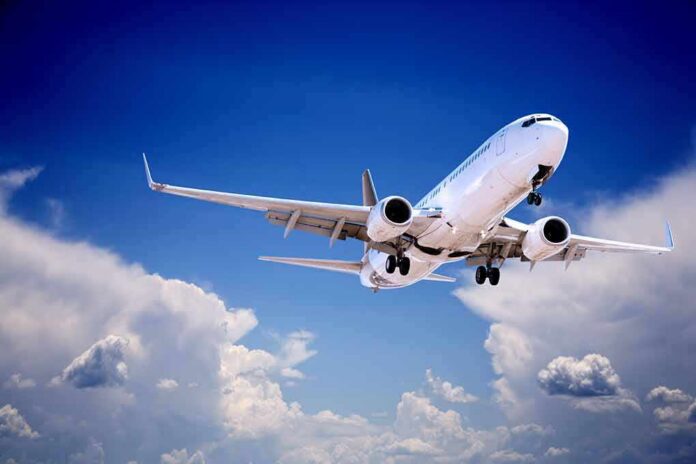
A Delta Air Lines automation failure snarled more than 1,000 flights just as storms began lining up for Thanksgiving week travel.
Story Snapshot
- Delta’s weight-and-balance system failed, forcing manual calculations and widespread delays.
- Delta said about 70% of delays and cancellations tied to the outage, with weather causing the rest.
- Atlanta, Delta’s main hub, saw a ground stop or delay that the Federal Aviation Administration later lifted.
- Forecast storms threaten heavy rain, wind, coastal flooding, and mountain snow on key routes.
What Broke And Why It Mattered To Flyers
Delta Air Lines said an automated tool that calculates aircraft weight and balance stopped working during the busy pre-Thanksgiving rush. Crews then had to run those math checks by hand, which slowed boarding and pushed back departures. Flight trackers showed more than 1,000 delays as the ripple spread across the schedule. The problem hit at the worst time, when planes run full and spare seats are scarce. Small holdups then grow into missed connections and late-night arrivals.
Delta said the automation problem explained a large share of the disruptions. The airline said about 70% of reported delays and cancellations linked back to the outage, while rough weather caused the rest. That breakdown matters to travelers who want to know if the system is stable again. It also shows how a single carrier issue can tangle many flights. When one big hub slows, planes and crews end up out of place for hours after the fix.
Impact At Atlanta’s Hub And The Federal Aviation Administration Response
Atlanta’s Hartsfield-Jackson, Delta’s main hub, felt the brunt. Flights to and from the city stacked up as the airline worked through manual checks. The Federal Aviation Administration instituted a ground stop or delay program to manage congestion, then lifted it around early afternoon Eastern time. Even after that, delays did not clear right away. Aircraft and crews need time to reset, and gates stay busy while late arrivals unload. Passengers felt those delays far from Georgia.
Reports from several outlets showed conflicting totals for delays and cancellations across the day, reflecting different time windows and data feeds. Some cited “more than 1,000,” while others counted over 1,600 or above 2,000. That spread is common during live events as numbers update in real time. The consistent fact is that travelers faced long waits while Delta addressed the outage and restarted normal operations. Delta later said the system issue was resolved, but knock-on effects lingered.
Storms Add Pressure On A Packed Holiday System
As airlines worked through the tech trouble, new storms formed on both coasts. Federal forecasters expected heavy rain, strong winds, high surf, and mountain snow along the Pacific states during Thanksgiving week. Travel reporters warned of possible flooding around San Francisco and listed likely East Coast impacts from Charlotte to Boston as a separate system marched north. That weather can slow takeoffs, lengthen routes, and strain airport staffing. It can also delay road and rail travel.
Port of Seattle Commission President Ryan Calkins offered Thanksgiving travel advice and questioned how a single equipment failure could cause a nationwide aviation disruption.https://t.co/X7eVXd0t22
— MyNorthwest (@Mynorthwest) November 24, 2026
The timing raised the risk of cascading delays. Full planes leave little room to rebook stranded flyers. A missed connection today can turn into a morning seat two days later. The Department of Transportation’s consumer reports explain that flight delays come from many causes, including weather, maintenance, air traffic limits, and airline operations. This week shows that mix in action: one carrier’s outage meets fast-changing storms, all inside a tight holiday schedule.
How Travelers Can Adapt When Systems Strain
Travelers can lower risk by choosing morning flights, which face fewer inbound delays and reset faster after disruptions. Carry-on bags increase the odds of catching a new connection when time is tight. Checking flight status on both the airline app and the airport board can catch gate changes early. When weather looms, waivers sometimes allow free changes—United offered one for San Francisco-area flooding risk this week, a sign that carriers are planning ahead.
Why This Fits A Larger Pattern
Holiday travel concentrates people and planes into narrow time blocks. Airlines build networks around big hubs like Atlanta to move millions efficiently. That setup works well most days, but it is fragile during stress. One failed tool, one runway slowdown, or one storm line can bend the whole system. Government data track on-time performance but do not pin down exact causes for each delay, which is why live numbers can differ across sources. This week’s events reflect that reality, not a single point of blame.
Sources:
washingtontimes.com, nbcnews.com, wpxi.com, airlinegeeks.com, avweb.com, abc7news.com, ftnnews.com, edition.cnn.com