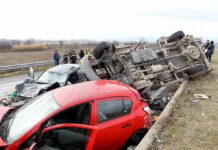

A fully loaded tanker slammed into a docked Mississippi River cruise ship in New Orleans, sending it onto its side and injuring dozens, yet every person aboard was found alive.
Story Highlights
- Port officials identified the colliding vessels and the riverfront location near mid-day Friday.
- All passengers and crew were accounted for; hospitals treated non-critical injuries.
- Video and reports showed the riverboat rolling onto its side and partly submerging at the dock.
- Local, state, and federal teams led a rapid, coordinated rescue and triage effort.
What Happened Along The New Orleans Riverfront
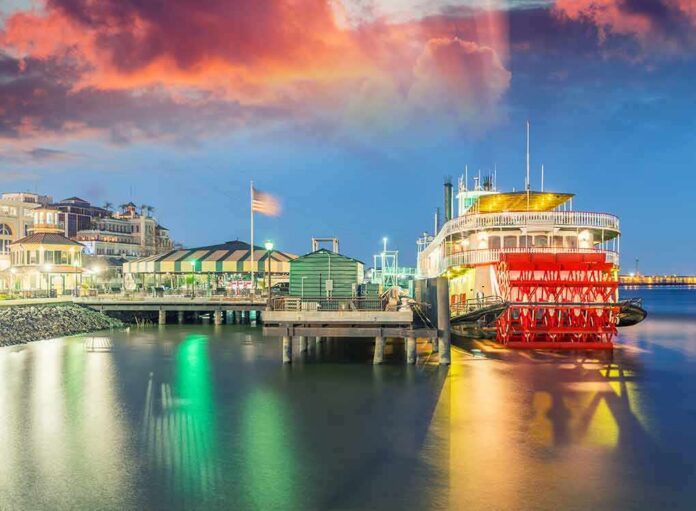
Port of New Orleans officials said a tanker named Atlantic Asphalt struck the docked American Heritage at about 12:30 p.m., near 1350 Port of New Orleans Place. The broadside impact left the river cruise vessel listing hard and leaning into the river. The crash happened steps from downtown, where emergency crews could reach the site fast. Initial calls drew police, firefighters, and harbor officers. The Coast Guard also moved to secure the scene and assess vessel hazards.
Witness video and marine reporting showed American Heritage rolling onto its side after the strike, with parts of the paddlewheeler submerged at the dock. Some people moved across the tilted decks. Rescuers used ladders, lines, and boats to move people off the vessel and out of the water. Nearby agencies set up quick access routes along the wharf. Crews checked for fuel leaks and shifting cargo risks as they stabilized the area for medical teams.
Rescues, Injuries, And The Final Headcount
City officials reported that every person aboard the cruise vessel was found and removed from danger. Hospitals received about thirty people with non-critical injuries, including two first responders, according to local updates. Reporters at the scene described triage at the Port of New Orleans Administration Building, where evacuees received blankets, water, and medical checks. Early passenger totals varied in the news, a common issue during major rescues, but the no-fatality outcome held across outlets.
New Orleans Mayor Helena Moreno said all people aboard were accounted for, matching updates from port and emergency leaders. Some passengers walked off under their own power. Others needed help after falls or exposure in the river. Medical teams tracked injuries like cuts, sprains, and mild hypothermia. Crews also watched responders for fatigue and slip risks. The Coast Guard coordinated safety zones on the river to keep other traffic clear during evacuations.
Cause Under Investigation And Why That Matters
Officials began a marine-casualty investigation to determine what caused the collision. Early reports mentioned possible steerage or power issues on the tanker, but no final cause has been released. The United States Coast Guard (USCG) and, when appropriate, the National Transportation Safety Board (NTSB) use these cases to examine equipment, crew actions, and navigation data. Those findings guide safety fixes that can reduce future injuries and costly port shutdowns.
A massive tanker slammed into a docked cruise ship on the Mississippi River, sending the vessel onto its side and prompting an evacuation. The Port of New Orleans then moved to seize the tanker.
The collision left 32 people hospitalized, but all 197 passengers and crew aboard th pic.twitter.com/23nrWMqXfj
— John F. Kennedy Jr (@Real_Jf_kndy_Jr) November 15, 2026
Marine incidents like collisions and allisions occur each year across the country, including on inspected passenger vessels. In 2019, the USCG recorded 2,095 reportable marine casualties, with 27.9 percent involving inspected passenger vessels. Recent passenger-vessel reports show material failures among common starting points for serious incidents. That history explains why investigators will pull logs, radio calls, and video to learn what failed here and how to prevent a repeat.
What Comes Next For Passengers, Crews, And The Port
Salvage teams must right and secure the riverboat, assess hull damage, and remove hazards. Port leaders will tally repair costs to docks and equipment. The cruise operator will contact passengers about refunds or rebookings and will coordinate with insurers. The Coast Guard may issue safety recommendations, equipment checks, or training steps. These actions aim to keep commerce moving while respecting public safety on a crowded working river that millions depend on for jobs and goods.
Sources:
youtube.com, afp.com, workboat.com, nola.com, wdsu.com, wcjb.com, ktvu.com, gcaptain.com, ntsb.gov, cgmix.uscg.mil