Ukraine offered to pause strikes on Russian energy sites if Russia stops hitting Ukraine’s grid, putting real de-escalation on the table.
Story Snapshot
- President Volodymyr Zelenskyy tied a Ukrainian pause to a verified Russian halt on energy targets.
- U.S.-led talks explored a mutual ban on hitting critical infrastructure, with narrow, conditional terms.
- Russia observed limited pauses at times, but timelines and scope have varied by side.
- Both countries see energy sites as leverage, making any “energy truce” fragile.
What Zelenskyy Proposed And Why It Matters
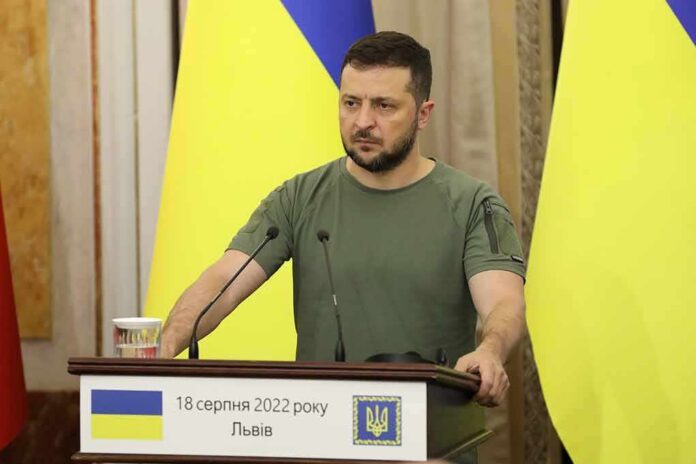
President Volodymyr Zelenskyy said Ukraine is ready to halt strikes on Russian territory if partners secure a real Russian commitment to stop attacks on Ukraine’s critical infrastructure. He framed the offer as reciprocal and tied to proof that Moscow would stop hitting power plants, grids, and other key systems. The stance answers allies who asked Kyiv to scale back energy attacks amid fuel market stress, while keeping Ukraine’s right to strike if Russia continues.
The proposal follows months of back-and-forth over a narrow “energy ceasefire.” United States efforts focused on stopping strikes on energy assets, not ending all fighting. At points, Russia signaled short pauses, including limited windows on attacks, but stopped short of broad terms that Ukraine and Western officials sought. Kyiv has said any pause must be mutual and real, or it will resume targeting Russian energy sites that fund the war effort.
How A Mutual Halt Would Work In Practice
Officials and reports describe focused limits that cover energy generation, transmission, and refining, rather than a full ceasefire. That scope aims to protect power for homes, hospitals, and industry during peak demand, while reducing risks of blackouts and price spikes beyond the region. Reuters reported that Moscow observed parts of such a halt for a time, though Kremlin messaging flagged end dates and carve-outs, underscoring how fragile the arrangement is.
These steps depend on verification and reciprocity. Ukraine links any continued restraint to evidence that Russia has stopped striking energy infrastructure. That link reduces the chance that one side uses the pause to regroup while the other suffers. It also helps Kyiv answer partners who want market stability without asking Ukraine to accept unilateral limits during war. If Russia resumes attacks, Zelenskyy has warned of quick retaliation against energy assets inside Russia.
Why Energy Targets Are Central For Both Sides
Energy sites shape the battlefield and the home front. Strikes on grids and plants can freeze cities, slow factories, and sap morale. Hits on refineries and fuel depots can choke supply lines. Analysts say this is why both sides treat energy as leverage, and why narrow pauses can be tested or redefined fast. Ukraine argues Russian energy sites fund and fuel the war, while Russia has sought to pressure Ukraine’s power system during winter months.
Zelenskyy says Ukraine would agree to mutual moratorium with Russia on infrastructure strikes https://t.co/0hcxDQ9FTQ
— Wuislane Colas (@wuislane) September 15, 2026
For Americans watching energy prices and global supply, even a narrow pause can matter. Fewer strikes on refineries and export hubs can ease price shocks that hit family budgets. But a pause that lacks clear rules and checks can fall apart, sending markets swinging again. That is why talks have focused on specific assets and timelines, plus ways to confirm compliance without exposing battlefield secrets.
What To Watch Next
Watch for aligned statements from Kyiv, Moscow, and Washington on the exact scope and duration. Clear lists of protected assets reduce confusion and lower the risk of sudden reversals. Look for evidence that attacks on grids, plants, and refineries actually stop on both sides. If hits on energy sites resume, expect Ukraine to restore its campaign against Russian fuel and power nodes, and expect new calls for tighter sanctions tied to energy infrastructure.
Sources:
youtube.com, pbs.org, x.com, pravda.com.ua, reuters.com, m.antikor.ua, bbc.co.uk, apnews.com