China’s opposition to U.S. intervention in Iran highlights a geopolitical clash that could redefine international norms and U.S.-China relations.
Story Highlights
- China opposes U.S. military threats against Iran, citing sovereignty.
- President Trump reviews military options amidst Iranian protests.
- China calls for peace and stability in the Middle East.
- Escalating tensions could impact regional and global stability.
China’s Stance on Iran
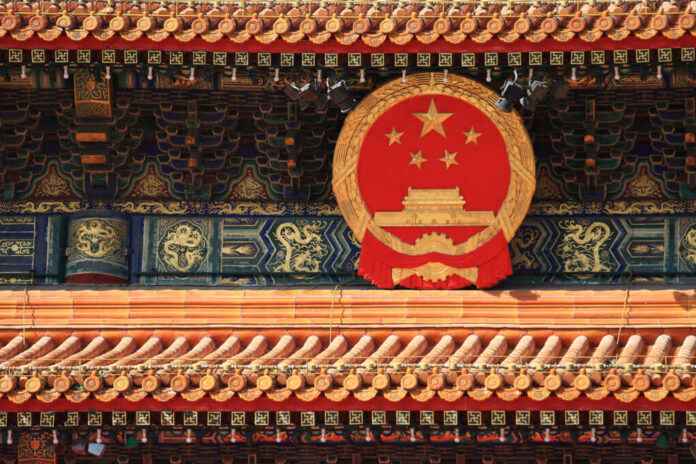
On January 12, 2026, China’s foreign ministry publicly opposed foreign interference in Iran’s internal affairs. This statement, made by spokesperson Mao Ning, directly challenges the Trump administration’s military threats against Iran amidst ongoing protests. China emphasizes the importance of respecting national sovereignty and urges all parties to promote peace and stability in the Middle East.
China’s position underscores its long-standing policy of non-interference, reflecting its historical experiences and commitment to international law. This diplomatic intervention positions China as a counterbalance to U.S. influence, advocating for stability over external intervention.
Watch:
U.S. and Iran’s Responses
In response to Iran’s internal unrest, President Trump has announced that his administration is considering “very strong options,” including cyber attacks and military strikes. Amidst these threats, Trump revealed that Iran has initiated negotiations, although he cautioned that time may be running out. The Iranian government, meanwhile, claims the situation is under control and expresses readiness for both war and negotiations.
The Iranian government’s crackdown has resulted in significant casualties, with reports of 544 deaths and over 10,600 arrests. Despite internet shutdowns, footage of violent clashes continues to emerge, keeping the international spotlight on the crisis.
China Says Opposes Foreign ‘Interference’ in Iran, Calls For ‘Peace’ https://t.co/gtSzxy8hxM via @angelnetnews
— Angel Network News (@angelnetnews) January 12, 2026
Global Reactions and Implications
Germany has condemned Iran’s violent response to protests, labeling it a sign of weakness, while urging an end to the brutality. This stance reflects a broader European perspective that balances criticism of Iran with respect for sovereignty, contrasting with U.S. military threats.
The geopolitical tension between the U.S. and China over Iran could redefine power dynamics in the Middle East. China’s advocacy for non-interference may set a precedent for international engagement, challenging interventionist policies and shaping the future of global diplomacy.
Sources:
Times of Israel
Iran International
Asharq Al-Awsat
CGTN