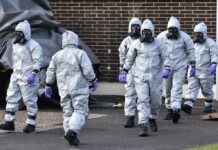
After a Russian plague-lab worker died of severe pneumonia, the World Health Organization pressed Moscow to share full test results so the world can judge the real risk.
Story Snapshot
- WHO asked Russia for complete, timely data on the case and any related tests.
- Russia told WHO there are no recorded plague cases in Irkutsk and contacts tested negative.
- WHO’s early read says the public risk appears low while verification continues.
- The episode revives debate over transparency under the International Health Regulations.
What Triggered WHO’s Push for Answers
Reports said a female employee at an anti-plague institute in Siberia died after a sudden illness described as severe pneumonia. The United Nations news service said lab testing was underway and no official cause of death had been confirmed. The World Health Organization said it was in contact with Russian authorities to verify the event and the laboratory results. WHO added that, based on early unofficial information, the broader public risk appears low.
Russian officials pushed back against claims of a plague death. Russia’s public health watchdog said the worker had “pneumonia of unknown cause,” not a confirmed plague infection. The agency said the sanitary situation in Irkutsk and nearby cities was stable. Officials also said a commission found no emergency or biosafety breach at the institute. Early tests of people who had contact with the worker found no plague, with a few unrelated infections like COVID-19 reported.
What Russia Told WHO and Why That Matters
Russia told the World Health Organization that no plague cases had been recorded in Irkutsk. According to the country’s statement relayed by WHO, the woman’s illness first looked like a common respiratory infection, not a high-threat pathogen. Later, Russia said testing of staff and close contacts showed no signs of plague or other linked agents. These points matter because they shape the risk level and guide any travel or health advisories abroad.
WHO’s call centers on process, not politics. The agency asked for complete, timely details to clear up conflicting reports and allow a proper risk check under the International Health Regulations. Those rules require countries to notify WHO quickly about events that might pose an international threat and to keep sharing key data. When countries hold back details, rumor can race ahead of facts, and small incidents can erode trust far beyond their health impact.
Why Transparency Is the Real Test Here
Global health rules were built after past outbreaks showed how slow or partial reporting can fuel fear and harm economies. The regulations say states must alert the World Health Organization within 24 hours if an event may be a public health emergency and then keep sending updates as tests come in. The World Health Organization can also consider reliable non-government sources when assessing early signals. That system works only if data flows fast and clean from national labs to global monitors.
#BREAKING : SECOND DEATH REPORTED AMID RUSSIA PLAGUE SCARE
Russian media report that a second person has died in the Irkutsk region amid concerns over a possible pneumonic plague incident.
The death has not been officially confirmed as plague-related.
WHO says Russian… pic.twitter.com/OgsLMsX072
— upuknews (@upuknews1) October 7, 2026
For Americans across the spectrum, this episode taps a familiar nerve. People on the right worry about labs, borders, and whether global bodies can be trusted. People on the left worry about science being ignored, poor workers at risk, and elites hiding facts. Both sides share one core concern: officials often tell the public to “trust us” without showing the receipts. The World Health Organization’s ask is simple and fair—show the test results, explain the timeline, and let the science speak.
What We Know, What We Don’t, and What to Watch
We know a lab worker died after severe pneumonia in Siberia. We know the World Health Organization is seeking full verification. We know Russia told the World Health Organization there is no confirmed plague in Irkutsk and that contacts tested negative. We do not yet know the exact pathogen that caused the death. Watch for lab confirmation, genetic sequencing, and whether Russia shares methods and results in line with the International Health Regulations.
If transparency holds, the risk likely stays low and the story fades. If answers lag or data drips out in pieces, distrust will rise even if no outbreak follows. That is the cost when institutions—national or international—forget that citizens deserve facts, not slogans. Clear reporting, independent checks, and quick updates are not a favor to the world. They are the duty that comes with running a lab that works with dangerous germs.
Sources:
insiderpaper.com, apnews.com, rte.ie, globalnews.ca, cbsnews.com, nbcnews.com, france24.com, pbs.org, aljazeera.com