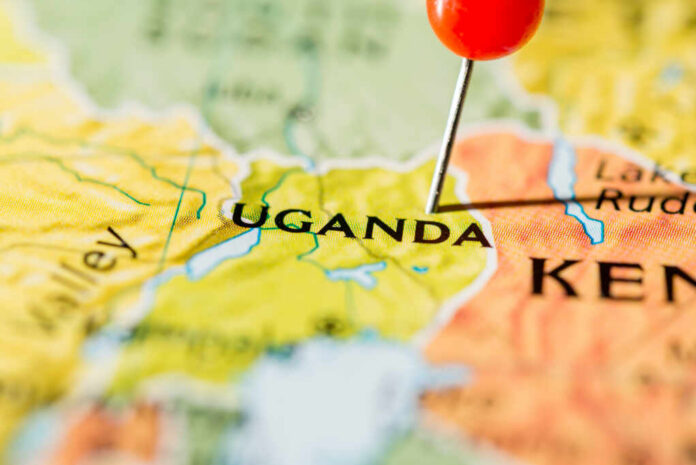
Uganda’s army chief publicly accused the United States of conspiring with opposition forces before scrambling to apologize within an hour.
Story Snapshot
- General Muhoozi Kainerugaba falsely accused the US Embassy of hiding opposition leader Bobi Wine and suspended military cooperation before deleting posts and apologizing
- The incident followed a disputed election where President Museveni claimed his seventh term amid violence that killed 30 opposition supporters and arrested 2,000
- Muhoozi has a disturbing pattern of inflammatory posts threatening to “hunt down and kill” political opponents before retracting statements
- US-Uganda military ties, including joint operations in Somalia, were briefly jeopardized by the baseless accusations from Museveni’s son and presumed heir
Reckless Accusations Against American Diplomats
General Muhoozi Kainerugaba, Uganda’s Chief of Defence Forces and son of President Yoweri Museveni, posted inflammatory accusations on January 30, 2026, claiming the US Embassy in Kampala coordinated with opposition leader Bobi Wine to help him evade capture. Kainerugaba announced suspension of all military cooperation with the United States, including joint operations in Somalia. Within one hour, he deleted the posts entirely, admitted receiving “wrong information,” and issued an apology calling America “great friends.” The incident demonstrates how authoritarian regimes can threaten longstanding security partnerships based on impulsive, unverified claims that undermine diplomatic trust.
Watch:
Post-Election Violence and Opposition Suppression
The volatile situation stems from Uganda’s disputed January 15, 2026 presidential election, where Yoweri Museveni was declared winner of a seventh term after 40 years in power. Opposition leader Bobi Wine, head of the National Unity Platform, rejected the results as “blatant theft” and went into hiding after soldiers raided his home on January 20. The raid involved cutting power, disabling security cameras, and deploying helicopters while Wine’s wife reported assaults by soldiers. Post-election violence resulted in approximately 30 opposition supporters killed and 2,000 arrested, with Muhoozi publicly boasting about the killings and issuing a 48-hour surrender ultimatum to Wine.
Pattern of Inflammatory Social Media Behavior
Muhoozi Kainerugaba has established a troubling track record of using social media to issue threats against political opponents before deleting posts and retracting statements. He previously called Bobi Wine a “baboon,” “coward,” and “terrorist,” while threatening to “hunt down and kill” him and claiming divine authority to eliminate the National Unity Platform. This pattern of impulsive, violent rhetoric followed by deletions raises serious questions about the stability and judgment of someone positioned as the presumptive heir to Uganda’s presidency. For Americans concerned about where taxpayer-funded military aid flows, this behavior should trigger alarm bells about supporting regimes where power succession appears headed toward increasingly erratic leadership.
Diplomatic Intervention Preserves Security Partnership
Uganda’s UN Ambassador Adonia Ayebare played a critical role in defusing tensions between Kainerugaba and American officials. After speaking with the US Ambassador directly, Muhoozi publicly thanked Ayebare for resolving the situation and even suggested him for Foreign Minister. The rapid diplomatic intervention preserved US-Uganda military cooperation, including joint operations targeting threats in Somalia. However, the incident highlights vulnerabilities in American security partnerships across Africa when dealing with authoritarian regimes where family dynasties control both political and military institutions.
Uganda army chief Apologises over previous X post accusing US of helping opposition https://t.co/8daJwJm16O
— MwanzoTV (@MwanzoTv) January 30, 2026
While Bobi Wine remains in hiding and continues posting defiant messages challenging the army’s ability to capture him, the broader implications extend beyond Uganda’s borders. American conservatives should question whether continued military cooperation with regimes demonstrating such instability serves genuine national security interests or simply enables corrupt dynasties. The preservation of constitutional principles, including peaceful transitions of power and respect for democratic opposition, reflects values America should champion abroad, not subsidize with military partnerships when violated.
Sources:
Uganda’s army chief apologies to “great friends” the US after accusing embassy of helping opp
Uganda: Army Chief Apologises to ‘Great Friends’ the U.S. After Accusing Embassy of Helping Opposition
Muhoozi Kainerugaba retracts on suspending US military ties with Uganda
Gen Muhoozi deletes tweets threatening US Embassy, apologises