
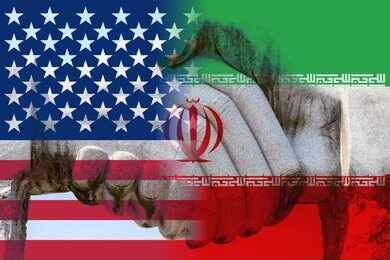
Billions in frozen Iranian money, nuclear limits, and control of a key oil chokepoint are back on the table as the United States and Iran prepare for another high‑stakes meeting in Pakistan.
Story Snapshot
- New United States–Iran talks are expected in Islamabad, with sanctions, frozen assets, and nuclear issues at the center.
- Pakistan is trying to keep a fragile peace process alive after earlier talks in April ended without a deal.
- Both sides still clash over uranium enrichment and the Strait of Hormuz, making a full agreement hard to reach.
- The outcome could shape oil prices, war risks, and whether ordinary Americans see any benefit from years of costly conflict.
Where and when the next talks are expected
Iranian officials say a fresh round of talks between American and Iranian negotiators is expected to take place in Islamabad on a Monday, with delegations likely arriving the day before. Multiple outlets, citing these officials and reports from CNN, describe Pakistan’s capital as the likely host for the next meeting, even though Washington has not formally confirmed the schedule. Pakistani and international reports frame this round as part of ongoing efforts to calm a war that has hurt global markets and shaken energy supplies.
Reports from outlets such as i24News and Global Times, citing Saudi‑owned Al Arabiya, go further and say the next technical round is set for July 11 in Pakistan, focused on sanctions relief, frozen assets abroad, and nuclear questions. Pakistani media and Dawn also refer to an “Islamabad Memorandum of Understanding” signed two weeks earlier, which laid out a 60‑day framework for follow‑on talks. However, Dawn notes that the final decision on the venue for those July 11 expert‑level talks has not yet been officially announced, adding uncertainty to the logistics.
What is on the table: money, nukes, and a vital sea lane
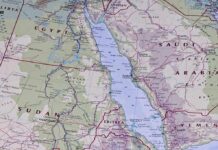
Earlier reports say the United States has floated plans that could unlock or ease controls on tens of billions in Iranian funds if a broader peace deal is reached. These discussions include frozen oil earnings and a proposed private investment fund tied to reconstruction and economic relief in Iran. At the same time, a United States fifteen‑point proposal presented in April demanded tight limits on Iran’s nuclear program, rules for reopening the Strait of Hormuz, and curbs on support for armed groups. Iranian negotiators rejected that package, pressing instead for full sanctions lifting and control over Hormuz shipping rules.
Iran has long argued that its uranium enrichment is a sovereign right, while American officials insist that highly enriched uranium, which can be used in bombs, must be strictly capped or shipped out. Earlier rounds showed this clash clearly: American envoys pushed for ending Iran’s nuclear program or sending enriched uranium abroad, while Iran sought guarantees that sanctions relief would be real and lasting, not reversed later by Washington. The Islamabad Memorandum of Understanding reportedly tried to park some of the hardest issues by setting a temporary ceasefire and a 60‑day window to work through nuclear and sanctions details step by step.
Why Pakistan is in the middle
Pakistan has emerged as a key go‑between in this crisis, hosting the April talks and now pushing for a second round. Pakistani leaders, including senior civilian and military officials, have shuttled between Tehran and Washington, trying to keep both sides at the table despite ongoing airstrikes and proxy clashes. For Pakistan, the stakes are high: regional war threatens its own security and economy, while a deal could boost its role as a mediator and even open doors to energy and trade arrangements with Iran and the Gulf.
Diplomats quoted by Associated Press say Islamabad and Geneva are both under discussion as possible venues, with Pakistan seen as the frontrunner because of its work on the earlier truce and framework. United Nations Secretary‑General António Guterres has called renewed talks “highly probable,” echoing Pakistan’s push to prevent a slide back into full‑scale war. At the same time, media in Saudi Arabia, Israel, and Iran all frame Pakistan’s role through their own lenses, which can deepen public mistrust about whose interests are really being served.
Deep disagreements that could sink the talks
The April Islamabad meeting ran for more than twenty hours but ended with no agreement, and both sides walked away blaming the other. Reports say the United States focused on nuclear limits and the Strait of Hormuz, while Iran demanded quick, sweeping sanctions relief and an end to Israeli strikes on Hezbollah and other allied groups. Iranian officials later warned that if Washington insists on detailed limits for highly enriched uranium, a resolution would not be possible, because those topics were “not currently under discussion” in their view.
Amid delicate US-Iran peace talks, Iranian Parliament Speaker Mohammad Bagher Ghalibaf traveled to Islamabad to meet the US Vice President. Fearing an Israeli assassination attempt, the Pakistan Air Force escorted the Iranian delegation's aircraft within Pakistani airspace. pic.twitter.com/4TtZPfwDkx
— sana_hon_yar (@sana_504) July 4, 2026
Analysts at Al Jazeera’s research center describe a “profound divide” in how Washington and Tehran see the recent war and its outcome, which makes a long‑term agreement unlikely. Iran leans toward a limited ceasefire deal with clear promises that the United States will stop future attacks in exchange for some concessions. The United States, by contrast, wants a bigger package it can sell as a clear win at home, centered on tough nuclear limits and visible security gains. That gap echoes what many Americans feel: leaders chase “victories” for the cameras while the country pays the price.
What this means for Americans watching from home
For many Americans, especially older conservatives and liberals who are tired of endless wars and broken promises, these talks look like more of the same: secret meetings overseas while life at home gets harder. If sanctions on Iran are lifted or eased, global oil supplies could stabilize and prices might drop, offering some relief at the gas pump and in shipping costs. But people also worry that deals are structured to benefit oil companies, defense contractors, and foreign elites first, with little trickle‑down help for families living paycheck to paycheck.
These negotiations also feed a wider belief on both the right and the left that the federal government is more focused on managing foreign crises than fixing deep problems at home. Years of shifting Iran policy—from the nuclear deal, to “maximum pressure,” to new ceasefire frameworks—show how easily Washington can change course abroad while gridlock continues on issues like debt, immigration, and wages. Whether the July talks in Pakistan succeed or fail, they highlight a hard truth: powerful players keep deciding the rules of war and peace, and ordinary citizens are mostly left to absorb the costs without much voice in the process.
Sources:
redstate.com, i24news.tv, dawn.com, globaltimes.cn, pbs.org, reuters.com, youtube.com, aljazeera.com, timesofindia.indiatimes.com, thesoufancenter.org, npr.org, instagram.com, facebook.com, eia.gov, en.wikipedia.org, europeanleadershipnetwork.org