
Two rare back-to-back mega-quakes rocked Venezuela, exposing fragile infrastructure and sparking fresh questions about emergency readiness and honest reporting.
Story Highlights
- Two powerful quakes, magnitude 7.2 and 7.5, struck Venezuela minutes apart [2]
- State of emergency declared; at least 32 dead and 700+ injured, officials say [5]
- Airport damage and outages in Caracas deepen chaos as search teams work [2]
- Tremors spread into Colombia and Brazil; magnitude figures may be refined [5]
Double Earthquake Strikes Near Capital, Confirmed As Rare ‘Doublet’
The United States Geological Survey reported two major earthquakes, magnitude 7.2 and 7.5, hitting Venezuela on Wednesday evening, a pattern geologists call a rare “doublet” [1]. The first epicenter sat west of Morón, with the second striking about 45 kilometers away within roughly a minute, making escape and shelter choices far harder for residents [2]. The timing on a national holiday meant many people were at home and in crowds when the ground began to heave, adding to the panic in Caracas streets [2].
Acting President Delcy Rodríguez announced a national state of emergency and reported at least 32 deaths and more than 700 injuries as hospitals filled and communications faltered [5]. Officials warned that early numbers could change as rescue crews reach blocked neighborhoods and damaged roads. Reporters and witnesses described people running outside as buildings cracked and alarms blared. One resident said the floors rolled like ocean waves, a sign of strong, long shaking that can stress older structures [3].
Damage To Key Infrastructure And Ongoing Power, Internet Outages
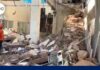
Structural failures hit critical sites, including parts of Simón Bolívar International Airport, where sections reportedly collapsed, choking travel and aid movement [2]. Photos and clips showed cracked high-rises in Caracas and fallen walls in coastal communities. Power and internet service failed across parts of the capital, slowing dispatch of ambulances and firefighting units [2]. With aftershocks possible, engineers urged caution around damaged buildings. Search teams continued to comb through debris where calls for help had been heard earlier in the night [5].
Regional impact spread well beyond Venezuela’s borders. Communities in Colombia and Brazil’s Amazon felt the shaking, reminding viewers across the hemisphere how far these waves can travel through the crust [5]. Scientists noted that initial magnitude readings can shift as more sensor data arrives, a normal process that already moved an early 7.1 reading to 7.2 for the first shock [5]. That technical update does not lessen the force residents felt, but it does underscore the need to wait for final numbers before drawing firm conclusions.
Sorting Facts From Panic As Rumors Race Online
Officials and major outlets converged on the same basic facts: two powerful earthquakes struck, buildings failed, and casualties rose into the dozens, not the tens of thousands. Online forums floated much higher death counts, but those claims lacked sourcing and clashed with what responders on the ground reported [8]. Responsible coverage means citing what can be verified and flagging what cannot. Venezuela’s strained politics and economy can fuel rumor cycles, so readers should track updates from named sources, not anonymous posts [8].
⚠️Smoke rising over #Caracas following the doublet earthquakes.#Venezuelahttps://t.co/gyUOZB31n0
— paralel_universe (@ignis_fatum) June 25, 2026
For Americans watching from home, this is a reminder of why resilient infrastructure, honest data, and fast local response matter. Strong building codes save lives. Clear lines of command speed help to those in need. The United States can aid recovery through targeted relief while insisting on transparency and accountability in distribution. That approach reflects conservative principles: protect people, respect the facts, and keep government focused on core duties that actually work.
What To Watch Next: Casualty Updates, Airport Inspections, Aftershocks
Authorities still face gaps in damage assessments from La Guaira and other hard-hit zones, where access is slow and reports remain partial [8]. Inspectors will need to check runways, terminals, and fuel lines at Simón Bolívar International Airport before full traffic can resume safely [2]. Seismologists will study the doublet to confirm the triggering link between the shocks and refine the magnitudes if needed [8]. Expect casualty figures to adjust as rescue teams finish searches and hospitals reconcile records with field reports.
How Readers Can Help Without Feeding Misinformation
Readers who want to help should give to trusted relief groups with a record of clean books and strong delivery. Share updates that link to primary statements or named outlets. Avoid amplifying casualty guesses or unverified images. Ask local officials and charities how they will move supplies into areas with damaged roads and patchy power. Facts travel slower than rumors, but they are the only guide that leads to the right help at the right time, and to real accountability after the dust settles.
Sources:
[1] YouTube – Back-to-back powerful earthquakes slam Venezuela, collapsing buildings …
[2] Web – 7.2 and 7.5 magnitude earthquakes strike Venezuela back-to-back
[3] Web – Back-to-back powerful earthquakes hit Venezuela, causing … – WRAL
[5] YouTube – 7.2 & 7.5 Twin Quakes Kill Many, Rescue Ops Underway in Caracas
[8] Web – Venezuela earthquakes live: Tremors of 7.5, 7.2 kill 32, injure …