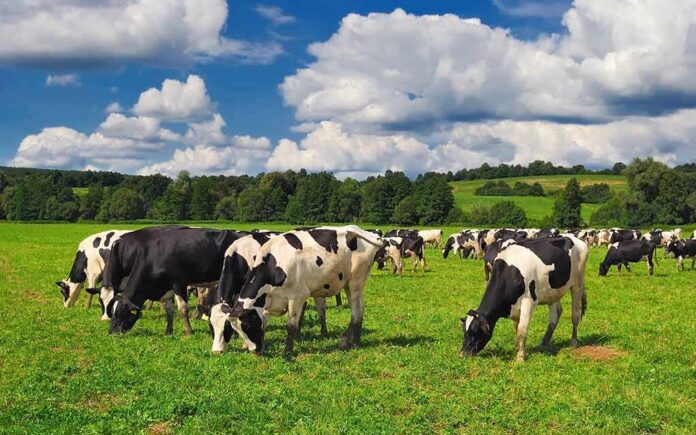
America’s biggest meatpacker is closing or selling three beef plants because the nation’s cattle herd is at historic lows, putting thousands of jobs and family budgets at risk.
Story Snapshot
- Tyson Foods will close plants in Illinois and Utah and seek a sale in Washington due to scarce cattle and high costs.
- The company will center beef operations on three large facilities in Nebraska, Kansas, and Texas.
- The move follows earlier cuts tied to tight cattle supplies and deep beef losses.
- Industry analysts cite a cyclical herd contraction and a highly concentrated packing sector.
Tyson’s Restructuring and Which Plants Are Affected
Tyson Foods announced it will shut its Joslin, Illinois beef plant and its Eagle Mountain, Utah case-ready facility, and will pursue a sale of its beef plant near Pasco, Washington. The company said the changes respond to one of the most severe cattle shortages in memory and aim to protect long-term performance. Tyson will center its beef business on large plants in Dakota City, Nebraska; Holcomb, Kansas; and Amarillo, Texas, and shift production where possible.
Bloomberg and other outlets reported the closures and potential sale on the same day as Tyson’s announcement. Reporting noted that production from the affected sites will be absorbed by remaining facilities, though local impacts will be significant. This move adds to cutbacks made over the past year as tight cattle supplies have pressured margins and forced producers and packers to reset plans for 2026 and beyond.
Why Cattle Shortages Are Driving Plant Closures
Reporters and company statements link the decision to a national cattle herd that has fallen to multi-decade lows. When fewer cattle are available, slaughter plants cannot run at full capacity, which raises per-unit costs and leads firms to close or consolidate sites. Reuters reported Tyson’s beef unit has faced widening losses as livestock prices stayed high, making some plants unprofitable to operate in the near term.
Industry researchers describe a cyclical pattern in beef. Drought, high feed costs, and past herd reductions limit animals ready for processing. In a packing system dominated by a handful of very large facilities, even a modest supply drop can force sharp capacity cuts. Texas A and M-linked work cites an 85 percent four-firm share in steer and heifer processing, showing how concentrated the sector is and why small shocks hit hard.
Jobs, Food Prices, and Community Fallout
Local news coverage around recent Tyson cuts shows how closures ripple through towns, suppliers, and trucking. Job losses strain families and small businesses that depend on plant traffic and wages. While Tyson has said it will try to move some work to other sites, communities near closing plants often face a sudden drop in income and tax base. USA Today summarized that the closures are part of a broader restructuring amid scarce cattle and high costs.
Tyson Foods announced major closures and sales across its beef processing and packaging network in August 2026, driven by a historic 75-year low in U.S. cattle supplies. The cuts affect facilities in Illinois and Utah.
— ElSnapitan (@law69518) August 16, 2026
For shoppers, fewer plants may mean tighter supplies of certain cuts at times, even as cattle prices swing. Government and market analysts have warned that shifts in packer capacity can affect price dynamics between ranchers, packers, and retailers. When capacity shrinks, cattle competition can ease for packers, but processing bottlenecks can also push beef prices higher at the store. Past adjustments in this cycle showed both effects in different regions and months.
What to Watch Next in the Beef Cycle
Producers will watch pasture conditions, feed costs, and heifer retention to gauge when the herd may rebuild. If ranchers keep more females for breeding, near-term slaughter stays tight, but future supplies rise. Tyson’s plan to anchor around three mega-plants suggests the company expects a slow recovery and wants to keep only its most efficient lines running until supplies improve. Investors, workers, and consumers will track whether 2027 brings a turn in herd numbers and steadier plant utilization.
Sources:
independent.co.uk, tysonfoods.com, bloomberg.com, finance.yahoo.com, reuters.com, dtnpf.com, ufcw.org