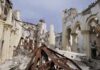
A fire and explosion tore through an Italian ammunition plant near Rome, triggering evacuations but causing no reported injuries, according to officials and the company.
Story Snapshot
- Fire and blast hit the KNDS Ammo Italy factory in Colleferro on August 13, 2026.
- Officials reported no injuries; workers on site were brought to safety.
- Investigators are probing the powder-pressing area as a likely origin point.
- Prosecutors opened an inquiry; the company says the cause is not yet confirmed.
What happened at the Colleferro ammunition plant
Italian media and wire services reported a fire and explosion at the KNDS Ammo Italy factory in Colleferro, about forty miles south of Rome, on August 13, 2026. Emergency crews responded and set safety perimeters around the site. Regional officials focused on evacuations and keeping people away from danger. The plant produces munitions components. Reports described a loud blast and thick smoke rising from the complex, which drew a large response from firefighters and police that afternoon.
Local leaders said protecting residents and responders came first. The president of the Lazio region emphasized safety and access for crews at the scene. News outlets cited police and regional authorities who said there were no immediate reports of injuries. Coverage noted that employees on duty either sheltered in secure areas or were guided out by safety staff before the blast advanced through the affected building, easing the risk to life during the response.
What officials and the company say about the cause
Several reports pointed to the powder-pressing or powder-compaction department as a likely origin point for the fire and subsequent explosion. That step involves concentrated energetic material, which can escalate a small ignition into a larger event. KNDS stated that teams on site were assessing the scene and that it was too early to confirm the cause or the exact sequence of events. Prosecutors near Rome opened an inquiry soon after, a routine step to secure evidence and review potential offenses.
Authorities did not present public evidence of sabotage or a deliberate attack in the immediate aftermath. Coverage framed the event as an industrial incident pending investigation. In this sector, fires and blasts often occur during mixing, heating, or compaction of energetic material. That risk profile matches the early focus on the pressing line. Formal findings will depend on forensic work, plant logs, and interviews with employees who were on shift at the time of the fire.
Why this matters for safety and supply chains
Factories that handle explosives face known hazards, even with strict rules. Many serious incidents trace back to process upsets, static discharge, or handling errors in steps like pressing. Global studies show that unplanned explosions at munitions sites cause severe damage when they occur, which is why plants enforce tight controls and emergency drills. Early reports that workers were evacuated or sheltered suggest those drills and procedures likely limited harm this time.
A large explosion sparked a fire at a munitions plant in Colleferro, south of Rome, owned by Italian defense manufacturer KNDS Ammo Italy, which produces ammunition and solid rocket fuels.
🔥 Check out the full story:https://t.co/ZLOweKQ9Rp pic.twitter.com/oNZ5opLt8j
— Trend Bulletin (@trendbulletin90) August 15, 2026
This plant sits inside a defense supply chain that has fed high demand in recent years. Any outage can ripple into delivery schedules for allied militaries. The company’s statement and the prosecutor’s review signal a methodical process ahead. Expect checks of sensor logs, maintenance records, and the power and ventilation systems that support powder work. Until those results post, officials continue to stress public safety, site security, and a careful return to normal operations.
Sources:
thegatewaypundit.com, planet-today.com, washingtonpost.com, albawaba.com, abcnews.com, livemint.com, bloomberg.com, kyivindependent.com, en.ilsole24ore.com, militarnyi.com, unionesarda.it, yahoo.com