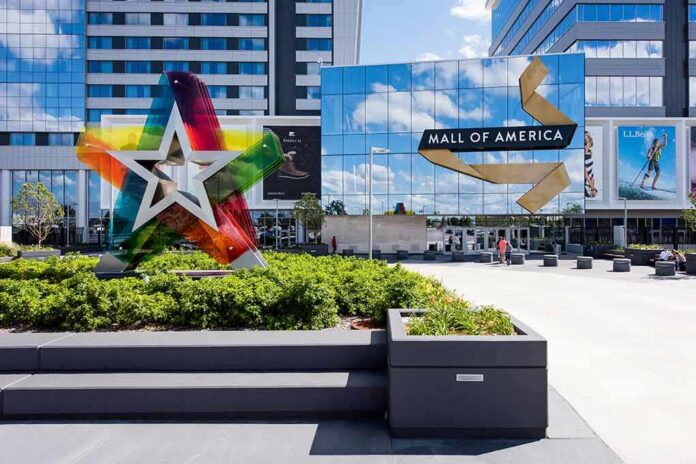
Federal agents say they stopped an ISIS-inspired plan to shoot dozens at the Mall of America after an 18-year-old allegedly bought an AK-47-style rifle and ammunition from an undercover officer.
Story Snapshot
- Justice Department charged an 18-year-old with receiving a gun to commit terrorism.
- FBI undercover operation ended with an arrest during a $600 rifle-and-ammo handoff.
- Court filings say the target was the Mall of America during a busy cultural event.
- Case reflects long-running use of informants and stings in U.S. counterterrorism.
What Prosecutors Say Happened
The Department of Justice said Sheikhdoon Abdullahi Mohamud, 18, of Richfield, Minnesota, was charged by federal complaint with knowingly receiving a firearm and ammunition to commit a federal crime of terrorism. Prosecutors and the Federal Bureau of Investigation (FBI) allege he sought an AK-47-style rifle and planned a mass shooting at the Mall of America. The complaint describes violent intent linked to support for the Islamic State group, according to reporting on the filings. A criminal complaint is an allegation, not a conviction.
According to the complaint described by local and national outlets, FBI agents arrested Mohamud at a public park after an arranged meeting. Reporters cite the affidavit in saying he paid $600 to an undercover FBI employee for a rifle and 200 rounds of ammunition. Authorities say messages with a confidential source showed plans to attack during a high-traffic event and to target non-Muslims. Officials argue the arrest prevented mass casualties at a major shopping center.
The Alleged Target and Timeline
Coverage based on the court records states the Mall of America was the chosen site. Reports say the suspect discussed striking during the Hmong Arts Celebration later in October, when crowds would be larger. The complaint outlined an intent to kill dozens, with language that aligned the plan with support for the Islamic State group. The arrest occurred after the weapon and ammunition were handed over, which created a clear moment for intervention and seizure.
Outlets that reviewed the filings report the FBI monitored the suspect for an extended period before the arrest. Journalists quote messages that prosecutors say showed a desire to carry out a mass shooting and allegiance to the Islamic State group. Investigators often build such cases by logging statements, arranging controlled purchases, and documenting concrete steps toward violence. That sequence helps prosecutors meet legal standards for intent and action in federal court.
Why This Case Matters Beyond One Arrest
This case fits a larger pattern in post‑9/11 policing, where the FBI relies on informants and undercover agents to detect threats before an attack happens. Supporters say these stings save lives and let agents act before guns are fired. Critics argue the government can shape the plot and then claim credit for stopping it. Academic reviews note that U.S. courts have usually rejected entrapment defenses in terrorism sting cases. Those debates will likely shadow this prosecution.
Feds foil ISIS plot for mass shooting at Mall of America @WashTimes @tonykatz https://t.co/lw4Z6xRG2w
— Karl Showbiz (@KarlShowbiz) October 8, 2026
Public trust is at stake as well as safety. People across the political spectrum worry that powerful institutions protect themselves first and help the public second. When agents stop a potential mass shooting at a landmark mall, many feel relief. Yet others question how far government should go in creating chances to commit crimes to prove intent. The outcome in court, and the disclosure of evidence, will shape how Americans judge this case and the system behind it.
Sources:
pjmedia.com, justice.gov, cnn.com, wbaltv.com, cbsnews.com, newsweek.com, abc7ny.com, washingtonexaminer.com