A collapsing wall of ice and rock roared down a Himalayan valley, killing hundreds and leaving well over a thousand people missing across the Nepal–Tibet border, officials said.
Story Highlights
- Officials reported hundreds dead and more than 1,300 missing after a massive debris flow.
- Nepal police and tourism officials gave body counts and missing totals with many foreign tourists listed.
- Scientists said a glacier and rock collapse likely triggered the deadly flood wave.
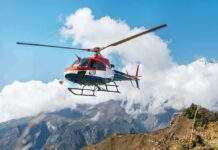
- Rescue teams struggled across a remote border zone with roads, bridges, and villages swept away.
What Happened Along the Nepal–Tibet Border
Reuters and other outlets reported that a huge mass of mud, ice, and rock collapsed into a river on the Nepal–Tibet border on August 26, sweeping away villages, bridges, and project sites. Nepal police and disaster officials gave rising body counts through the day, while rescue teams searched for stranded residents and tourists. Reporters described scenes of smashed trucks and homes, and widespread damage along the river corridor northeast of the main border crossing with China’s Tibet region.
Nepal police said more than 150 bodies were recovered in the early phase, and later updates from reporters and officials placed deaths in the hundreds with missing persons over 1,300. Nepal tourism officials said over 400 tourists were unaccounted for, including a large share of foreign nationals. The scale reflected a busy travel season and the presence of workers on roads and hydropower sites in the narrow mountain valleys when the flood hit.
Why The Flood Turned So Deadly
Scientists and disaster managers pointed to a glacier and rock collapse high above the valley. Reuters reported experts citing satellite images showing the lower part of a glacier broke off and crashed to the valley floor, driving a fast, debris-heavy flood surge. The United States Geological Survey later said a tremor recorded that morning likely came from the collapse itself, not a separate earthquake, which explains the sudden wall of water and debris.
Steep terrain, heavy sediments, and narrow gorges can turn such collapses into violent surges that outrun warnings. Roads and bridges that link villages also run beside rivers, putting people and projects in harm’s way. Reporters on the ground described trucks and homes swept away within minutes. That speed left little time to escape, which fits other high mountain disasters in Nepal over the last decade.
Rescue, Counting, and Cross-Border Challenges
Nepalese responders, police, and army units worked along damaged roads and unstable slopes to find survivors and recover bodies. The event crossed into Tibet, which complicated counts and access. Different agencies released figures at different times, so totals moved during the first two days. That pattern is common in Himalayan disasters, where access is hard, power is out, and many families report missing loved ones from scattered river towns.
At least 63 Americans remain missing Thursday after an ice-and-rock landslide triggered catastrophic flooding along the Nepal-China border, killing at least 356 people.
PHOTOS: https://t.co/iRSxssQ8Up(AP/Niranjan Shrestha) pic.twitter.com/l1ylPgvRh9
— KOMO News (@komonews) August 27, 2026
Reporters said the Lhende River corridor and nearby valleys saw the worst damage, including washed-out bridges and power project sites. That slowed aid and left pockets of people cut off. Tourism officials focused on missing travelers while local police tracked residents, which made early lists messy. As searches expand downstream and across the border, numbers may change again, but authorities agree the toll is severe and the search will take days.
Why This Matters Far Beyond Nepal
This disaster fits a growing pattern in the Himalayas: glacier and landslide-driven floods that are hard to predict and hit with extreme force. Nepal has a long record of such events, and climate stress on ice and permafrost can raise risks as slopes grow unstable. For Americans, this is a reminder that nature does not care about borders or talking points. When systems are brittle and warnings are thin, regular people pay the price while officials fight over budgets.
What To Watch Next
Watch for Nepal police to publish reconciled body counts and missing lists, including the breakdown of foreign nationals. Expect scientists to release a deeper review using satellite images and seismic data to map the collapse and flood path. Monitor road and bridge repairs that open rescue routes. If the final report confirms a glacier and rock failure, it will add to calls for better high-mountain monitoring and cross-border warning systems along shared rivers.
Sources:
facebook.com, reuters.com, bbc.com, indianexpress.com, abcnews.com, nytimes.com, theguardian.com