

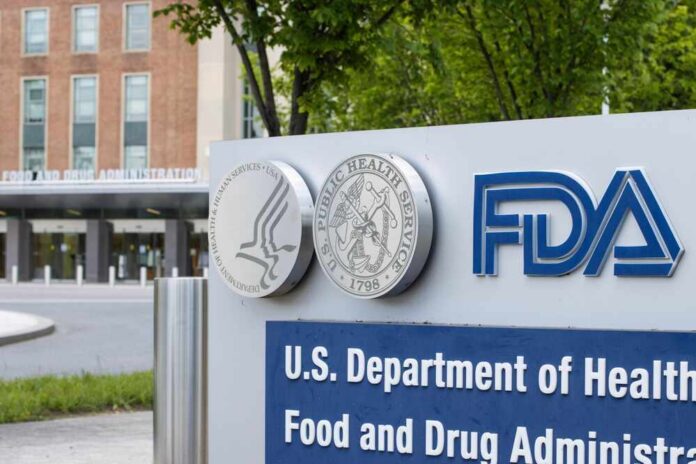
Washington’s latest food-safety “fix” is running into a familiar problem: the same federal bureaucracy that can’t execute the basics is asking Americans to trust it with even more control over what ends up on their tables.
Story Snapshot
- No single event proves “food safety hit a new low,” but multiple 2026 developments point to strained FDA capacity and delayed safeguards.
- FDA leaders told senators they’re prioritizing infant formula standards, ultra-processed food definitions, and more inspections, even as staffing limits squeeze long-term work.
- The long-delayed Food Traceability Rule—required by a 2011 law—faces additional delays, angering food-safety advocates who want faster accountability during outbreaks and recalls.
- HHS Secretary Robert F. Kennedy Jr.’s “MAHA” agenda spotlights chemicals and nutrition reforms, but critics say layoffs and leadership shakeups risk weakening enforcement.
A “New Low” Without One Smoking-Gun Scandal
Reports in early 2026 do not point to one headline-grabbing catastrophe that suddenly collapsed America’s food safety system. Instead, the “new low” framing comes from a pileup of institutional stressors: leadership changes inside FDA’s Human Foods Program, staffing reductions at the department level, and rule delays that keep basic accountability tools out of reach. The result is a system that looks busy on paper while moving slowly on core protections.
Food Safety in America Just Hit a New Low https://t.co/wc53IOCpPq
— Content Carnivores (@ContentCarnivor) March 28, 2026
For consumers, the practical question is simple: when something goes wrong, can the government trace it fast, warn families, and force a cleanup before more people get hurt? Several outlets describe how resource constraints and delayed rulemaking can slow detection and response, especially for vulnerable products like infant formula. The research also flags outbreaks tied to deaths and ongoing recalls as the kind of real-world pressure that makes “capacity” more than a budget-line debate.
What FDA Told Senators It Will Focus On in 2026
FDA officials briefed senators in late March on a slate of priorities that sounds familiar to anyone who lived through recent shortages and recall cycles. The agency highlighted infant formula safety work, including updating standards that date back decades, along with developing a definition for ultra-processed foods in coordination with USDA. Officials also pointed to expanded inspections and attention to seafood and labeling—areas where consumers tend to assume robust enforcement already exists.
Those goals matter, but the credibility test is execution. When Washington promises tighter oversight while simultaneously narrowing its operational bandwidth, skepticism is rational, not cynical. The research indicates contingency planning and staffing constraints can force agencies to triage toward emergencies while pushing longer-term prevention work to the back burner. That approach can look “responsive” in the moment but leaves families and state regulators stuck dealing with the same recurring failures.
The Traceability Rule Delay: A 15-Year Wait for Basic Accountability
The Food Traceability Rule sits at the heart of the current frustration because it was mandated under the Food Safety Modernization Act passed in 2011—yet implementation has dragged on for roughly 15 years. Food-safety leaders and former officials have criticized the continued delays and called for less discussion and more action. Traceability is not a culture-war issue; it is a practical tool that can shorten outbreaks, narrow recalls, and identify who broke the rules.
From a conservative perspective, traceability can be viewed as the kind of targeted, results-driven governance Washington should be able to deliver: clear standards, predictable compliance, and faster consequences for bad actors—without turning every grocery trip into a federal crusade. When deadlines slip again, it undermines confidence not only in the agency but also in the broader argument that centralized regulators can manage complex supply chains better than markets and states working with transparent information.
MAHA Reforms, GRAS, and the Real Tradeoff: Ambition vs. Capacity
The research describes a reform push that blends nutrition goals with chemical and ingredient oversight, including changes to how “generally recognized as safe” determinations work and broader reviews of certain substances. Some industry-facing updates, including dye phase-out timelines and chemical reassessments, are part of a wider attempt to modernize food regulation. At the same time, legal and policy reporting suggests rule changes and litigation risks could increase as states pursue their own ingredient or labeling agendas.
That tension—more ambitious rulemaking while agencies are squeezed—creates predictable problems. If Washington cannot staff inspections and enforcement reliably, new rules can devolve into paperwork for compliant companies and selective accountability for everyone else. The research also notes critics’ concerns about politicization and leadership ties, while defenders argue ethics compliance is being followed. The strongest takeaway is not motive speculation; it’s that institutional instability tends to reduce consistent enforcement.
What This Means for Families: Safety First, But Don’t Confuse It With Bigger Government
Food safety is not optional, and it is not partisan when infants, seniors, and immunocompromised Americans are at higher risk from contaminated products. But the 2026 picture painted by these reports should make voters demand measurable outcomes rather than slogans: faster traceback, clearer recall authority, and transparent inspection performance. When federal agencies stall for years, states fill the vacuum, courts get involved, and Americans end up with a patchwork system anyway.
Conservatives who are exhausted by inflation, overspending, and overseas distractions have a legitimate question here: why can Washington marshal endless energy for big political projects while basic competence—like timely traceability rules and consistent inspections—still lags? The research doesn’t prove a single “new low” moment, but it does document a system under strain. In 2026, restoring confidence will require fewer press releases and more verifiable results that protect families without expanding bureaucratic power for its own sake.
Sources:
https://www.hhs.gov/about/budget/fy-2026-fda-contingency-staffing-plan/index.html
https://www.jdsupra.com/legalnews/2026-food-regulatory-update-ingredients-6084306/