The Trump administration’s crackdown on immigration is reshaping the US tech landscape, forcing many to reassess their strategies amidst fears over job security and industry innovation.
Story Highlights
- Trump’s immigration policies are causing a decline in H-1B visa applications from Indian IT firms.
- Artificial Intelligence (AI) is further reducing dependency on foreign workers.
- US tech companies are adapting their operations and hiring strategies.
Trump’s Immigration Policies Impacting H-1B Visas
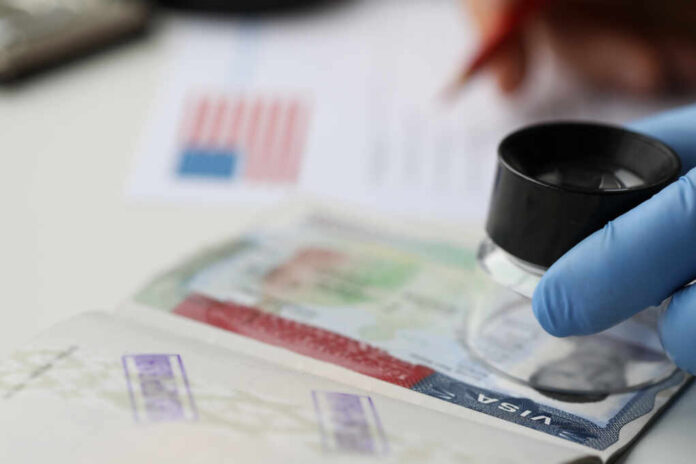
In 2025, the Trump administration’s stringent immigration policies have severely impacted the technology sector, particularly concerning the issuance of H-1B visas. These policies are designed to prioritize American workers and reduce dependency on foreign labor, directly affecting Indian IT firms that have historically relied on these visas to bring skilled employees to the United States. Companies must now navigate more complex regulations and heightened scrutiny, causing a significant decline in visa applications.
Watch: Indian IT Firms Slash US H-1B Visa Moves Amid AI Boom, Trump Immigration Crackdown | Spotlight |N18G
AI’s Role in Reducing Dependence on Foreign Labor
Simultaneously, advancements in artificial intelligence (AI) are transforming how companies manage their workforce. AI technologies are increasingly capable of performing tasks traditionally handled by human employees, reducing the need for foreign workers in certain roles. This shift not only supports Trump’s agenda but also aligns with the industry’s push towards more automated and efficient operations. As a result, tech firms are investing heavily in AI to fill the gaps left by reduced visa issuances.
These developments could lead to a long-term transformation in the workforce landscape. While some view this as a positive step towards technological advancement, others express concern over the potential for job displacement and the challenges of maintaining a diverse and skilled workforce.
Adaptation Strategies of US Tech Companies
To adapt to these changes, US tech companies are revising their hiring practices and operational strategies. Many are focusing on upskilling American workers and creating partnerships with local educational institutions to develop homegrown talent. This approach not only supports Trump’s immigration policies but also helps companies mitigate the risks associated with an over-reliance on foreign labor. Additionally, firms are exploring alternative solutions like remote work and international collaborations to maintain their competitive edge in the global market.
The evolving landscape presents both challenges and opportunities for the tech industry. Companies that successfully navigate these changes can potentially benefit from a more resilient and adaptable workforce. However, the ongoing scrutiny and regulatory pressures may pose hurdles that require strategic planning and innovation to overcome.
Sources:
https://www.moneycontrol.com/news/business/information-technology/indian-it-cuts-h-1b-visa-use-by-56-in-8-years-us-big-tech-emerges-top-sponsor-13538379.html
https://www.business-standard.com/industry/news/indian-it-companies-us-policy-h1b-visa-immigration-rules-tech-outsourcing-125091100332_1.html