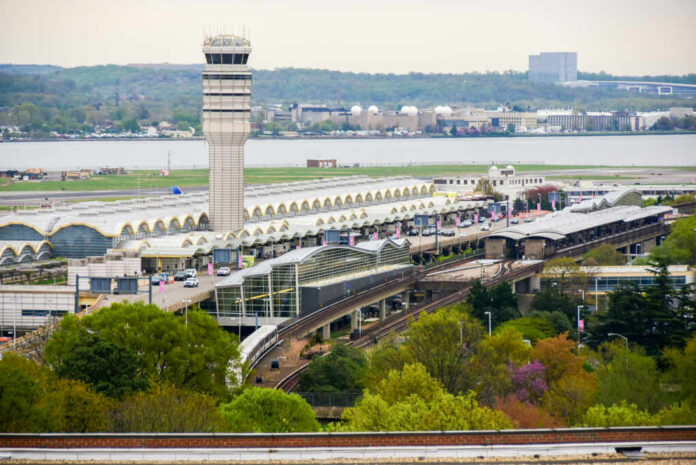
Florida is moving ahead with renaming Palm Beach International Airport after President Donald Trump, prompting debate over costs, local control, and the role of politics in naming public facilities.
Quick Take
- Florida Governor Ron DeSantis signed legislation to rename Palm Beach International Airport after President Donald Trump, with the change tied to Federal Aviation Administration approval.
- The state set aside $2.75 million for rebranding costs, including signage, uniforms, marketing materials, and related expenses.
- Palm Beach County commissioners approved a licensing deal in a narrow 4-3 vote, and the agreement is tied to the new state law.
- The airport sits near Mar-a-Lago and is used often by Trump, but critics say the deal shows how public assets can become political prizes.
State Law Pushes the Rename Forward
DeSantis signed the bill on March 30, 2026, and the law calls for Palm Beach International Airport to become President Donald J. Trump International Airport. The Florida Senate’s bill text says the change takes effect July 1, pending Federal Aviation Administration approval. The airport’s own notice says the move does not change county ownership or governance, but it does set off a formal rebranding process that now reaches beyond local politics.
The Federal Aviation Administration has said airport renaming is mainly a local matter, but it still must update charts and databases. That makes the change more than a symbolic gesture. It becomes a government process that touches flight maps, airport signs, marketing, and legal agreements. For travelers, the rename may look simple. For officials, it means paperwork, approvals, and new branding rules that must line up before the name can fully stick.
Money, Costs, and a Narrow Vote
The state budget includes $2.75 million for the rename, and reports say the money covers signage, consultants, equipment, vehicles, marketing materials, and uniforms. Other reporting says the airport had requested $5.5 million, so the state money appears to cover only part of the total cost. That gap matters because it shows how expensive a name change can become when a public facility has to replace signs and rebuild its public image at the same time.
Palm Beach County commissioners approved the licensing agreement by a 4-3 vote, and the deal was described as necessary to comply with the state law. That close margin signals real division among local leaders, even as the law moves ahead. The airport is about five miles from Mar-a-Lago, and Trump often flies through it when traveling to South Florida. That location explains the political focus, but it also helps explain why the fight has become so personal.
Why Critics See a Bigger Pattern
Critics have framed the rename as a political stunt and a clash over public control, not just an airport sign. They argue that the state pushed a county-owned airport into a presidential branding fight, then attached public money to the project. Supporters say the law simply gives the airport a new name and leaves operations unchanged. Those two views can both exist, but the facts show a public asset being used for a highly partisan symbol.
MASSIVE 🔥 — In a STUNNING development, Florida Governor Ron DeSantis signed HB919, officially renaming Palm Beach International Airport to "PRESIDENT DONALD J. TRUMP INTERNATIONAL AIRPORT". It will take effect on July 1.
FOLLOW ME, THE NEXT DROP WILL BE SHOCKING. pic.twitter.com/yQCK4kQQnD
— John f Kennedy JR (@Amelia_Davilzc) June 28, 2026
The broader issue reaches beyond Trump or Florida. Public agencies across the country are under pressure to defend spending, explain naming choices, and prove they serve residents first. Here, the dispute touches all of those concerns at once: cost, local authority, state power, and the use of taxpayer-backed institutions for political branding. Even without a final Federal Aviation Administration decision, the episode already shows how quickly a routine infrastructure issue can become a national fight.