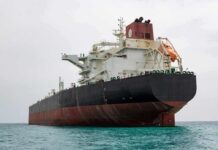

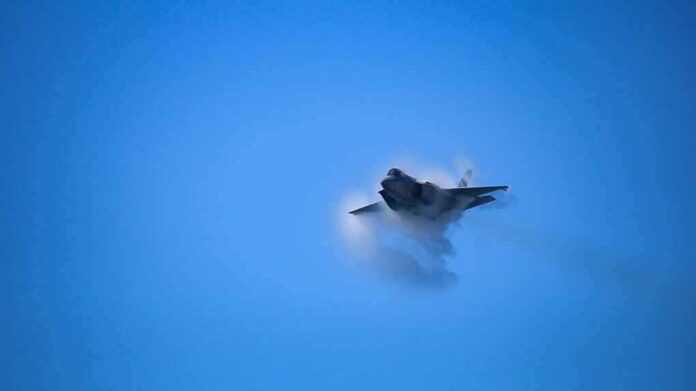
A U.S. fighter jet disabled a Panama-flagged cargo ship in the Gulf of Oman after the vessel ignored blockade warnings and tried to run the line, according to U.S. Central Command.
Story Snapshot
- CENTCOM says a U.S. jet struck the ship’s stern to stop it, with no crew injuries.
- The vessel, identified as M/V Ocean Molica (Arika Sun), departed an Iranian port.
- The action came during a renewed blockade campaign that has redirected 130 ships.
- Mariners were told to monitor notices and keep bridge contact on Channel 16.
What CENTCOM Says Happened
U.S. Central Command (CENTCOM) reported that on October 10, 2026, American forces disabled a commercial cargo ship in the Gulf of Oman after repeated warnings were ignored. CENTCOM identified the vessel as the Panama-flagged M/V Ocean Molica, also known as Arika Sun, and said a U.S. fighter jet used a precision weapon against the stern to stop propulsion. The command said the crew was not harmed and the strike prevented a breach of the ongoing blockade against Iran.
Reports based on the CENTCOM release said the ship had departed an Iranian port and continued toward the restricted zone despite instructions to stop. The U.S. description framed the action as a measured use of force aimed at the propulsion section, not at crew spaces. The account did not include a cargo manifest or ownership records, but it provided the vessel’s name, flag, and the location of the encounter in the Gulf of Oman.
Blockade Enforcement Campaign And Rules For Mariners
CENTCOM has described this incident as part of a wider enforcement push that resumed mid-July. As of early October, CENTCOM and regional reporting said U.S. forces had redirected 130 commercial vessels that approached restricted waters under the blockade framework. Officials have also referenced several disabling actions before this one, placing Ocean Molica as the next case under that record of enforcement activity.
Guidance shared in coverage of the campaign says mariners should monitor official Notices to Mariners, keep open bridge-to-bridge contact on Channel 16, and follow blockade instructions broadcast by U.S. naval units. Those steps are meant to give ships clear warning and a safe path to comply. CENTCOM-linked summaries have also said that humanitarian traffic has been allowed to pass when it meets the rules for permitted cargo and routes.
Why This Matters For Trade, Law, And Public Trust
Maritime law experts often point to baseline rules for blockades: they should be declared, publicized, and enforced in a way that is consistent and clear. The San Remo Manual, a widely cited guide, says capture is the normal remedy for a vessel thought to be breaching a blockade, and force may follow only if the ship resists after a prior warning. That lens helps readers understand why warnings, channels, and intent matter at sea.
For Americans watching from home, there are kitchen-table stakes. Every time war risk rises, shipping and insurance costs can jump, and those costs can feed into prices on store shelves. Past conflicts show that even the fear of attack or seizure can reroute ships and drive up premiums. That means actions like this one, even if limited and precise, can ripple into energy prices, supply chains, and the broader economy that families feel week to week.
Sources:
thegatewaypundit.com, forth.news, news.cgtn.com, kuwaittimes.com, timesofisrael.com, rferl.org, ihl-databases.icrc.org