

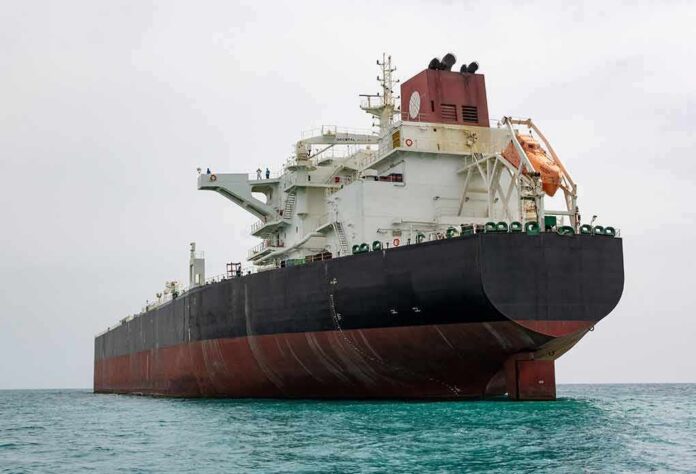
President Trump said Russia will rush at least 300,000 tons of diesel into the market now, with more to follow, and Treasury moved the same day to let specific shipments proceed.
Story Highlights
- Trump announced staged Russian diesel volumes starting with 300,000 tons now and larger loads through year-end.
- U.S. Treasury issued a temporary license covering Russian diesel already loaded by Oct. 9, 2026, through April 2027.
- Russia’s deputy prime minister outlined similar monthly targets, tied to refinery conditions.
- The move aims to ease high diesel prices before midterms, reversing years of pressure on Moscow.
What The White House Announced
President Trump said on October 9 that Russia would “immediately supply over 300,000 tons” of diesel, add 500,000 tons in November, and raise deliveries to 1,000,000 tons after that. He also mentioned a possible extra 3,000,000 tons if Russian refineries allow it. News outlets reported the statement after Trump described a “highly successful” talk with Russian President Vladimir Putin. The schedule set a near-term flow and a larger ramp through the end of the year.
The administration framed the plan as a price relief effort for U.S. consumers facing costly diesel. Coverage linked the timing to the midterm election window, when fuel costs often sway wallets and votes. The announced volumes targeted both U.S. buyers and broader global markets, where tight supplies have kept margins high. The headline goal was simple: add barrels fast to cool prices and ease stress on trucking, farming, and heating budgets before winter peaks.
How Treasury Cleared A Path
The U.S. Treasury Department issued a temporary general license that allowed Russian diesel already loaded on tankers as of October 9, 2026, to move without sanctions exposure until April 7, 2027. The authorization was not a full reopening of trade with Russia. It carved out a defined lane for specified cargoes under the existing sanctions framework. That narrow scope aimed to stabilize supply while preserving broader pressure tools on Moscow’s energy sector.
Prior actions show this approach has precedent. Treasury and its Office of Foreign Assets Control have used time-limited licenses to keep energy flowing while managing security goals. An inspector general report described earlier general licenses as tools to steady markets and let stranded Russian barrels reach buyers during shocks. Officials argued such waivers added supply and reduced price spikes without abandoning sanctions policy aims.
What Moscow Says It Can Ship
Russian Deputy Prime Minister Alexander Novak signaled Russia could export 300,000 tons in October, 500,000 tons in November, and 1,000,000 tons in December. Those targets depended on refinery repairs and operating conditions, which have been stressed by outages and shifting export rules. That caveat matched Trump’s note that the largest extra tranche would hinge on how Russia’s plants run in the months ahead.
Energy market data help explain the urgency. The U.S. Energy Information Administration reported that geopolitical shocks and refinery outages have pushed diesel margins high at times, straining buyers worldwide. Europe’s earlier ban on Russian oil products also rewired trade, adding distance, cost, and complexity to every incremental barrel. Extra supply, even if temporary, can cap those spikes and relieve some pressure on freight, food, and home heating budgets.
What It Means For Prices And Politics
Analysts noted the first 300,000 tons is small next to global demand, and some estimates said it covers only a brief slice of U.S. daily use. Still, policy makers often pair small near-term releases with regulatory steps to send a clear signal to markets. The message here is price relief now without rewriting the entire sanctions playbook. The caveat: real price impact depends on timely cargo arrivals and private firms’ comfort with compliance risk.
Trump Announces Russia Will Supply Millions of Tons of Diesel to Help Lower Fuel Prices. Trump said he reached the agreement during a discussion with Russian President Vladimir Putin.https://t.co/hprs15O899
— Papa Hemingway✝️✡️ 🇺🇸 (@PopHemingway) October 10, 2026
The move represents a sharp turn from years of U.S. pressure on Russia during the Ukraine war. Supporters will see a government using every lever to lower costs for families and small firms. Critics will see a midterm-era concession to a rival power. Many Americans across the aisle share a simpler test: will diesel bills drop soon. Today’s action sets up that test by opening a lawful channel for specific cargoes and by promising larger flows if refineries hold up.
Sources:
feedpress.me, rmb.reuters.com, ttnews.com, pbs.org, bbc.co.uk, lemonde.fr, foxbusiness.com, amp.dw.com, eia.gov, ofac.treasury.gov