With White House access under court review, Pope Leo XIV’s simple “you are all welcome” underscored how a press-pass fight became a test of government power and public trust.
Story Snapshot
- Pope Leo XIV affirmed open access for journalists after questions about the White House ban.
- President Trump barred CNN, MS NOW, and Politico; a judge later restored access for 14 days.
- The Justice Department argued access is a privilege; media groups alleged viewpoint discrimination.
- Networks refused to fill pool duties, turning a credential dispute into a broader press fight.
What Triggered The Clash Over Access
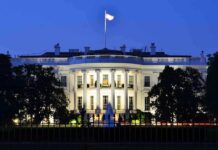
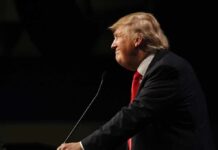
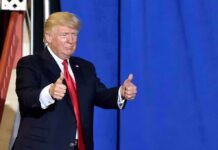
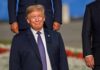
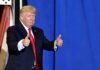
President Trump announced that CNN, MS NOW, and Politico were banned from the White House. He tied the move to what he called false and negative reporting. Reporters from those outlets soon found their credentials blocked at the gates. The White House said the First Amendment protects publishing but does not entitle outlets to a hard pass or a seat in the briefing room. The decision landed fast and hard, and it sparked legal and political blowback the same day.
Major television networks refused to replace the banned outlets in shared pool duties. That rare step raised the stakes and made the dispute bigger than three names on a list. The pool is how the press ensures at least one reporter sees key events for all. Without it, the public sees less. The standoff put pressure on the White House and kept the story in high rotation across news cycles.
How The Courts Responded
A federal judge ordered the White House to restore the outlets’ access for 14 days while the case proceeds. The ruling cited due process rules that limit arbitrary credential changes. Courts have held the government cannot yank a press pass without notice and a chance to respond. The order did not settle the fight, but it drew a bright line on process and hinted the ban faces long odds if tied to disliked coverage.
Press advocates argued the ban punished viewpoint and content. They filed briefs urging the court to act at once. Their case leaned on prior rulings that block selective denial without compelling reasons. The Justice Department countered that access to the complex is a managed privilege and that national security and order require discretion. This legal split is old, but the facts here are sharp because the President linked the ban to coverage.
Pope Leo XIV’s Message And Why It Landed
Pope Leo XIV, asked about the dispute while flying to France, said, “you are all welcome.” He added that good media coverage matters “for everyone.” His words did not pick a legal side, but they framed open access as part of serving the public. Coming amid a heated court fight, the contrast was plain: a global figure inviting scrutiny while a government tried to narrow it at home.
Pope Leo XIV affirms press freedom aboard papal plane, directly rebuking Trump admin's media ban: "Good media coverage is important…for everyone." #PressFreedom #DonaldTrump
Full story: pic.twitter.com/90lIwJwI9V
— Apprise.News (@Apprise_news) September 25, 2026
For many Americans, this episode fits a larger worry. People on the right fear bias, spin, and elites who never face real checks. People on the left fear government pressure, secrecy, and power used to silence critics. Both sides see a system that protects itself first. A sudden, selective ban, followed by a judge’s quick rebuke, fed those doubts about who gets to control the story and whether rules only apply when it helps those in charge.
What It Means For The Next Round
The White House can set rules for space, safety, and order. But courts expect clear standards and due process. When reasons sound like payback for tough stories, judges tend to step in. That is why the government’s best chance is to show neutral, written criteria that apply to all outlets the same way. So far, public records show broad claims of “fake news,” not a detailed, even standard.
Expect the lawsuit to press for documents on who decided, why, and how notice was given. Expect media groups to keep pooling leverage to defend access. The public should watch two things: whether the White House offers specific, neutral rules, and whether the press sticks to verifiable reporting that earns trust. Healthy tension is normal. Selective bans and unclear rules are not. The first leads to accountability; the second leads to anger and court orders.
Bottom Line For Readers
This is not about liking or hating any outlet. It is about whether the government can pick winners and losers based on coverage. A judge has already said the process likely fell short. The Pope’s welcome line was not policy, but it hit a nerve because access is how we all see what leaders do. If government can close doors for criticism, the public loses the most, not the press.
Sources:
mediaite.com, cnn.com, nytimes.com, abcnews.com, pbs.org, reuters.com, cpj.org