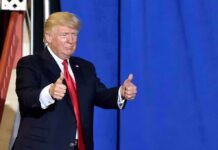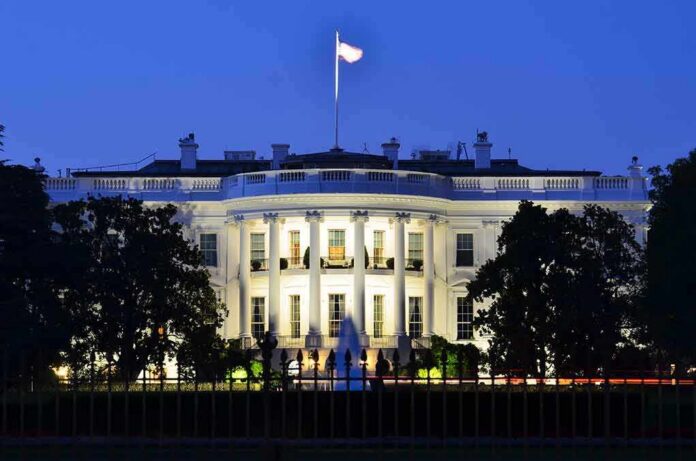
President Trump hosted China’s Xi Jinping at the White House as top artificial intelligence leaders arrived for a state dinner, tying diplomacy to the race for next‑generation tech.
Story Highlights
- Trump welcomed Xi to Washington to steady a fragile trade truce and talk artificial intelligence.
- Trump said the United States leads in artificial intelligence and linked the field to national power.
- The agenda included trade, Taiwan, and Iran, with China’s role in oil trade giving Xi leverage.
- Public details remained light, reflecting a pattern where summits aim to lower risks more than ink deals.
White House Meeting Centers Trade Truce and Technology
President Trump hosted Chinese leader Xi Jinping at the White House and framed the talks around keeping a fragile trade truce in place. Trump praised his relationship with Xi and said the two sides were “doing very well,” signaling a pause in tensions. The meeting put artificial intelligence at center stage. Trump said whoever wins artificial intelligence “wins,” and claimed the United States was “leading by a lot”. The message linked trade stability with control of key technology.
The summit drew top artificial intelligence executives to Washington for a state dinner with both leaders, underscoring how business and policy now overlap. The presence of industry leaders signaled a push to connect research, investment, and guardrails with foreign policy. Officials have often used these events to show momentum while they work out details later. That approach can calm markets and allies even when talks do not produce long public documents the same day.
Iran, Taiwan, and Leverage in a Tight Moment
The agenda included the war with Iran and tensions over Taiwan, two issues that raise the stakes for both countries. China buys large amounts of Iranian oil, which gives Xi leverage if the United States seeks help to shape flows or reduce pressure points. The Taiwan issue remains a core friction. Washington’s support for Taiwan clashes with Beijing’s view of sovereignty. Both sides used the meeting to state red lines and test room for managed risk.
Trade and technology formed the other main pillar. The two leaders looked for ways to keep tariffs from rising while they jockeyed over chips, data, and standards. Artificial intelligence policy now sits inside national security planning, not just commerce. That blend makes every deal harder. Any promise on market access or tariff relief can ripple into supply chains, military uses, and rules for safe systems. That is why big pledges are rare and careful language is common.
Why These Summits Often Deliver Signals, Not Signatures
High‑level United States–China meetings often aim to pause escalation and reset tone rather than close big agreements. Analysts note that each side also speaks to its home audience and may stress different wins. That pattern fits here. Reporting highlights the limited formal outputs while pointing to goals like stability and room for talks, which can matter more in the short run than a long list of deals. One report also notes that official documents can lag after these events.
For many Americans, the stakes feel close to home. Families see higher prices from tariffs and worry about lost jobs. Parents hear about artificial intelligence and fear both deepfakes and lost privacy. Workers want fair trade and secure supply chains. Critics on the right blame past globalism and weak enforcement. Critics on the left warn about inequality and corporate power. Both sides worry that elites cut quiet deals while citizens carry the costs.
What This Means for Everyday Americans
Trade calm can slow price spikes on imported goods and parts. That helps small shops and larger factories plan. Clear rules for artificial intelligence can push safer tools into schools, hospitals, and local services. A managed path with Iran and cooler talk on Taiwan reduce the chance of a shipping shock or a crisis that hits energy and markets. These gains are not flashy. But signals that lower risk can protect savings, jobs, and budgets even without headline deals.
President Donald Trump hosted Chinese President Xi Jinping for a White House state dinner in Washington, with the event framed as part of their broader summit. The menu included sea bass, according to reporting from The Associated Press and other outlets. The guest list featured… pic.twitter.com/EDoK9q5oak
— Cool X Media Group (@teslamillion) September 25, 2026
Still, people should watch the follow‑through. Will tariffs ease on non‑strategic goods? Will artificial intelligence talks lead to shared safety steps or export rules that protect key tech? Will fentanyl ingredients and data theft get tougher pushback? The public record so far stresses tone and intent over specific numbers. That is normal for this kind of summit, but it puts pressure on agencies to turn stagecraft into results that reach Main Street.