
America’s own State Department now says “Do not travel to Libya for any reason,” citing crime, terrorism, kidnapping, civil unrest, landmines, and active conflict.
Story Highlights
- The State Department set Libya at Level 4: Do Not Travel, its strongest warning.
- Officials cite crime, terrorism, kidnapping, civil unrest, landmines, and armed conflict.
- There is no U.S. Embassy in Libya, limiting help for Americans on the ground.
- Security alerts and risk reports echo the same hazards nationwide.
State Department Issues Highest Warning for Libya
The U.S. State Department placed Libya under a Level 4: Do Not Travel advisory and told Americans to avoid the country for any reason. Officials list crime, terrorism, kidnapping, civil unrest, unexploded landmines, and armed conflict as key threats. This is the highest warning level the agency uses. The advisory means the government believes it cannot keep travelers safe. It also signals that any crisis response could be slow, complex, or not possible in parts of the country.
Security guidance for Libya is consistent across official channels. A security alert tied to the Libya External Office repeats the Level 4 status and the same list of risks. The Overseas Security Advisory Council, which informs U.S. organizations, also flags high crime, kidnapping for ransom, and ongoing terror plotting that targets Westerners. These notices align with the travel warning and point to a broad, persistent danger that is not limited to one city or region.
No Embassy Presence Limits Emergency Help
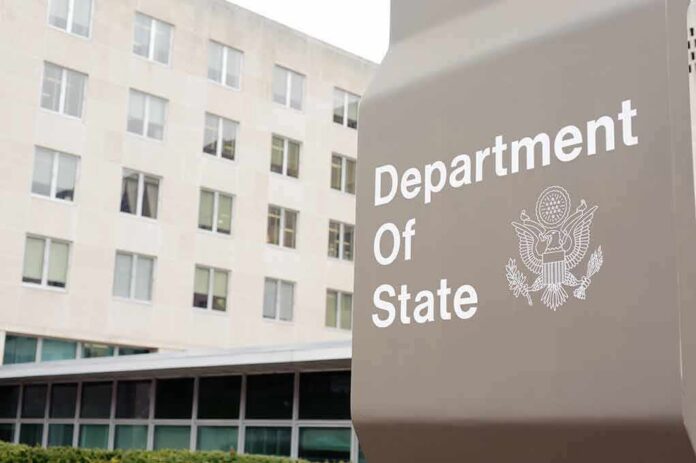
The State Department says there is no U.S. Embassy operating in Libya today. Americans who run into trouble would need to rely on limited remote support or third-country arrangements. That gap matters in emergencies like arrests, medical crises, or evacuations. Without consular staff on the ground, even simple services become hard. This constraint is one reason the advisory is so firm. It is not only the threats; it is also the lack of tools to help people if things go wrong.
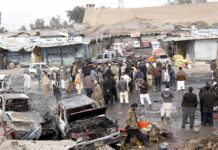
Explosive hazards raise the baseline risk. Years of fighting left many areas with unexploded ordnance and other dangerous munitions. Mine clearance experts warn that renewed clashes can “re-contaminate” cities and threaten schools and clinics, making routine travel risky and slow. The travel warning lists unexploded landmines by name because they can sit unseen for years. Drivers and pedestrians face danger on roads, near buildings, and in fields that might look normal.
Why This Matters Beyond One Country
The Libya order fits a wider pattern for conflict zones. When officials see a mix of unrest, terror threats, kidnapping, and weak consular access, they issue blunt, countrywide warnings and keep them in place until the mix changes in a clear way. That approach aims to protect travelers who may not track local ebbs and flows. It may feel broad to some readers, but it reflects a threshold call: when risk crosses that line, the default becomes “do not go.”
"Do not travel to Libya for any reason."
Americans planning a trip to Libya are being urged to reconsider those plans, as the U.S. State Department issues its strongest possible travel warning.
The Level 4 advisory cites widespread kidnapping, terrorism, landmines and other… pic.twitter.com/OlquUTJLJZ
— Fox News (@FoxNews) September 5, 2026
The stakes reach past politics. People on the right worry about global chaos, terror networks, and the cost when Washington fails to plan. People on the left worry about civilians trapped in conflict, human rights abuse, and widening gaps between safe and unsafe places. Both sides see a federal system that often reacts late and communicates in blunt bursts. This advisory is clear and firm, but it also shows a hard truth: when the government says it cannot help you there, you should not be there.
Sources:
thegatewaypundit.com, travel.state.gov, foxnews.com, ly.usembassy.gov, travelandtourworld.com, osac.gov