As U.S. bombs began collapsing bridges and a control tower at a key Iranian port, Washington crossed a line many Americans on both the right and the left fear most: using critical civilian-style infrastructure as leverage in a distant war.
Story Snapshot
- U.S. strikes destroyed multiple bridges and a port tower in southern Iran during the sixth straight night of attacks.
- The Pentagon says the goal is to stop Iran from attacking commercial ships, but Iran reports rising civilian deaths and broken transport links.
- President Trump’s own threats to hit “bridges and power plants” blur the line between military defense and coercive pressure.
- Dual-use targets like ports and highways deepen fears that powerful elites wage wars that ordinary people pay for on both sides.
What the U.S. Says It Is Doing — And Why It Picked These Targets
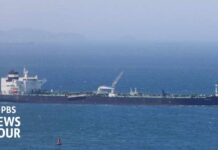
U.S. Central Command, which runs American military operations in the Middle East, says these latest strikes are meant to “further degrade Iran’s ability to attack commercial shipping and innocent civilian mariners” in the Strait of Hormuz. The command reports hitting dozens of military targets for the sixth night in a row, including coastal surveillance sites, air defense systems, logistics hubs, and maritime capabilities along Iran’s southern coast. In simple terms, the U.S. is trying to break what analysts call Iran’s “maritime kill chain” — the radar, missiles, drones, and support links Iran uses to threaten tankers and cargo ships passing through one of the world’s most important trade routes. This fits a broader pattern: in earlier rounds of the conflict, U.S. and Israeli forces hit Iranian nuclear facilities, missile sites, and command centers, saying they wanted to cripple Iran’s ability to build nuclear weapons or strike neighbors. For Americans who believe in strong defense and safe trade lanes, this framing sounds like a clear mission — but it rests heavily on Pentagon statements that have not been backed by detailed public evidence of specific Iranian attacks or complete target lists.
Independent open-source analysts back up part of the U.S. story. A July review by India Today’s research team found that recent strikes have focused on coastal radar, missile batteries, drone launch sites, naval bases, and maintenance facilities in port cities like Bandar Abbas, Jask, and Chabahar. Satellite imagery gathered by BBC analysts also shows clear damage to Iranian naval facilities and missile infrastructure, and even to nuclear-related sites, after joint U.S.–Israeli operations earlier in the campaign. These pictures support the idea that the U.S. is hitting real military assets, not just empty deserts. At the same time, they highlight how often modern war targets “dual-use” facilities. Ports, bridges, and logistics centers move both weapons and food; when bombs fall there, it is hard for ordinary people to tell where military necessity ends and pressure on civilians begins.
Bridges, a Collapsed Tower, and Iran’s Claim of Civilian Harm
Iranian officials and state media say the latest strikes did far more than knock out radar and missile sites. Authorities in Hormozgan Province report that six strategic bridges were damaged or destroyed, cutting key roads that feed the country’s main southern ports and the Strait of Hormuz. Iranian outlets and regional reporters describe hits on airports, railway stations, and multiple bridges in and around Bandar Abbas and nearby districts, with at least seven people killed in overnight attacks. At Chabahar, a vital port on the Gulf of Oman that also serves landlocked Afghanistan, media aligned with Tehran report that a maritime control tower collapsed after being struck, raising fears that important trade routes for civilians are now directly in the crosshairs. BBC’s verification team has independently confirmed at least one bridge strike west of Bandar Abbas using satellite imagery and geolocation tools, showing that claims of infrastructure damage are not just propaganda. Together, these reports paint a picture of a campaign that is no longer limited to obvious military bases, but now reaches deeply into transportation networks that millions of ordinary Iranians rely on every day.
For many Americans watching from home, this is exactly the kind of mission creep they worry about when Washington launches open-ended operations overseas. Conservatives who are tired of “endless wars” and liberals who fear human rights abuses can both see danger when bridges, rail lines, and towers become targets in a conflict far from U.S. shores. On paper, American commanders insist that every strike is chosen to reduce threats to shipping and troops, not to punish civilians. Yet the gap between what Central Command publicly lists — “dozens of military targets” — and what Iran and independent outlets report on the ground — bridges, transport hubs, and civilian casualties — feeds the belief that the official story is incomplete. That sense of half-told truths is exactly what fuels distrust of the “deep state” among voters who feel the permanent security bureaucracy plays by its own rules while taxpayers and soldiers bear the cost.
Trump’s Infrastructure Threats and the Bigger Fight Over the Strait of Hormuz
President Donald Trump’s own words make this tension even sharper. In recent days he has openly warned that if Iran does not accept U.S. terms in peace talks, American forces could start hitting “bridges and power plants” across the country. In another statement, he vowed to push Iran “back to the Stone Ages” by striking infrastructure nationwide unless Tehran agrees to a deal that satisfies Washington and its allies. These threats sound less like narrow self-defense and more like classic coercive pressure: use the threat of massive damage to roads, energy, and water systems to force a weaker state to bend. Analysts at outlets like France 24 and the Atlantic Council have warned that targeting clearly civilian infrastructure — energy grids, water systems, broad transport — risks breaking international law and would not be a “winning strategy” for the United States in the long run. When bombs then land on bridges and a port tower soon after these threats, it is hard for skeptical citizens not to connect the dots.
🇮🇷 IRAN BEGS CITIZENS TO TURN OFF AIR CONDITIONING AFTER DEVASTATING US STRIKES
Iran’s Energy Ministry is desperately urging citizens to stop using air conditioners after precision US strikes crippled power lines across the sweltering south.
The attacks knocked out electricity…— Omar ALBlooshi (@OmarBlooshiAE) July 17, 2026
Iran has answered the strikes with its own form of pressure, announcing that it has closed the Strait of Hormuz and dramatically reducing the number of ships passing through the waterway. That chokepoint carries a large share of the world’s oil and gas exports, so even a short shutdown can hit fuel prices, shipping costs, and inflation across the globe. For working Americans who already feel squeezed by high energy bills and rising prices, the idea that a distant fight between Washington and Tehran might drive costs higher again is deeply frustrating. They see a federal government that seems more focused on projecting power and defending “credibility” than on shielding regular families from economic shocks born of foreign policy gambles. Meanwhile, reports show Iran has also struck U.S.-linked bases and infrastructure in Gulf states that host American forces, turning the region into a web of tit-for-tat attacks that threaten allies and raise the risk of a wider war. On both sides, the people making the choices are senior leaders, generals, and officials who rarely feel the direct impact, while truck drivers, shop owners, and families in Iran, the Gulf, and the United States live with the fallout.
Sources:
military.com, bbc.com, timesnownews.com, france24.com, reuters.com, facebook.com, iranintl.com, aljazeera.com, npr.org, moneycontrol.com, economictimes.indiatimes.com, youtube.com, trtworld.com, indiatoday.in, instagram.com, maritime-executive.com, pircenter.org