The viral Oval Office photo of Spencer Pratt huddled with his young son and President Trump turns a local mayoral loss into a national story about power, loyalty, and who really speaks for frustrated Americans.
Story Snapshot
- Spencer Pratt visited President Trump in the Oval Office days after losing the Los Angeles mayoral primary, sharing a striking photo of himself and his son with the president.
- Trump had openly backed Pratt’s campaign, even as Pratt told national media he did not need the former president’s endorsement and was focused on local issues.
- The visit and photo highlight how outsider candidates and celebrity figures tap public anger at failing institutions while still orbiting powerful national leaders.
- The moment shows how both left and right worry that political theater and viral images are replacing real fixes for crime, homelessness, and the cost of living.
The Oval Office Photo That Lit Up Social Media
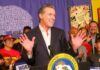
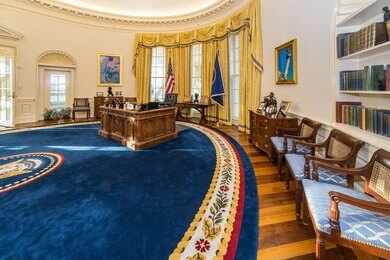
On Tuesday, former Los Angeles mayoral candidate Spencer Pratt posted a photo from inside the Oval Office showing him seated close to President Donald Trump at the Resolute Desk, with a young boy believed to be his son huddled nearby. The image spread quickly across social platforms, amplified by TV reporters and political accounts that framed the meeting as a sign Pratt’s defeat had only raised his profile. Pratt captioned the moment with a vow that he would “never stop fighting” for his community, tying this high-profile visit back to his local crusade in Los Angeles.
Coverage from entertainment and news outlets stressed the symbolism of the shot: a failed city hall hopeful now sitting in “the room where it happened” alongside the most polarizing political figure of the last decade. For many viewers across the political spectrum, the photo did not look like a routine courtesy visit. It looked like an outsider candidate being welcomed deeper into national politics by a president who had already reshaped the Republican Party and who still commands strong loyalty despite broad distrust of Washington itself.
From Rejecting Trump’s Endorsement to Embracing the Spotlight
During the mayoral race, Donald Trump publicly praised Pratt from the tarmac near Air Force One, calling him “a character” he would like to see do well and appearing to back his campaign. Conservative media described Pratt as “Trump-backed,” framing his surge in the nonpartisan primary as a test of Trump’s continued influence in deep-blue cities. Yet when pressed by national news anchors, Pratt pushed back on the idea that he needed Trump’s help. In one interview, he said he did not want anyone’s endorsement except that of “mothers,” stressing safety concerns and local problems over national party fights.
Pratt also told interviewers his town had “burned down,” referencing the Palisades fire that destroyed his home, and insisted he cared more about emergency response, crime, and homelessness than tribal red-versus-blue drama. That message fit a wider mood among Americans who feel both parties have failed to keep cities safe, control costs, and manage disasters. Many people on the right blame “woke” city hall priorities and years of soft-on-crime policies. Many on the left blame corporate landlords, shrinking social programs, and a system that seems rigged for insiders. Pratt tried to channel both groups’ disgust with the status quo, even as Trump’s seal of approval made him look tied to one camp.
A Bitter Loss and Claims of a Rigged System
In the early vote count, Pratt held a strong lead for the second runoff spot, ahead of progressive city council member Nithya Raman. As late mail-in ballots were tallied, Raman steadily gained and then passed Pratt, ultimately beating him by more than 29,000 votes and securing the November runoff against incumbent Mayor Karen Bass. Supporters on social media cast Pratt’s fall as “impossible” and pointed to the late surge from heavily Democratic areas, echoing long-running fears on the right that mass mail-in voting lets political machines tilt close races after election night.
Pratt leaned into that anger after his defeat. In a video labeled “Saving LA–Phase III,” he warned residents they had “no idea how bad things are about to get for the city” and claimed he entered the race to expose a “corrupt machine.” He spoke of “commie animals” and teased recorded evidence that could force one rival to “resign in shame.” Yet to date, no federal agency or court has confirmed any probe tied to his claims, leaving voters caught between their real frustration with life in the city and a flood of dramatic allegations without clear proof.
Why This Moment Resonates Beyond Los Angeles
Endorsements from famous figures and presidents can stir base voters but rarely change many minds on their own. Surveys show most Americans do not switch sides because a star or leader tells them to; instead, they respond to deeper worries about safety, fairness, and whether anyone in power understands their daily struggle. Pratt’s campaign fits that pattern. He drew attention as a reality TV personality and Trump favorite, but his core pitch centered on crime, homelessness, and broken emergency planning in a city still scarred by fires and street chaos.
Spencer Pratt lost the LA mayor primary after late mail-in ballots mysteriously favored his far-left opponent—but he's not done fighting. Now he's launching an anti-corruption foundation AND meeting with Trump… #SpencerPratt #LosAngeles #California #MAGAhttps://t.co/ptkWAWxkB6
— @GlobalRightWatch (@AutonomusRepost) July 8, 2026
The real story was not whether Pratt is “Team Trump” or a lone crusader. It was the feeling that national politicians and local officials alike keep turning public pain into content—viral clips, dramatic speeches, and now powerful images from the heart of the White House—while basic problems stay unsolved. That shared sense of betrayal runs through both conservative and liberal circles. It feeds talk of a “deep state” or unaccountable elite that protects itself first and treats ordinary citizens as background extras in an endless show.
Sources:
redstate.com, facebook.com, instagram.com, parade.com, nypost.com, usatoday.com, mynewsla.com, x.com, thehill.com, nbcnews.com, foxnews.com, youtube.com, fairelectionscenter.org