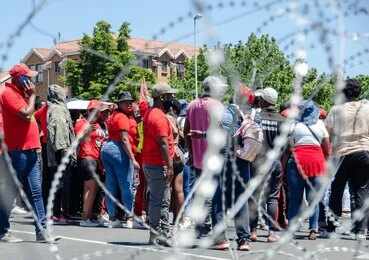
South Africa’s migrant fight is now colliding with fear, anger, and a deadline that has no legal force.
Quick Take
- Anti-immigration groups set a June 30 deadline for undocumented foreigners to leave.
- Officials rejected that deadline and warned people not to take the law into their own hands.
- Protesters blame migrants for jobs, crime, and pressure on public services.
- Researchers and reporters say the deeper problem is South Africa’s weak economy and high unemployment.
What Sparked the Johannesburg Protests
Hundreds of anti-migrant protesters marched near Johannesburg as the June 30 deadline approached, and vigilante groups urged undocumented foreigners to leave or face removal. Reports say the threat has spread beyond one city and has pushed some migrants to flee or seek repatriation help. The pressure is tied to a wider wave of protest that mixes economic anger, identity politics, and open threats against foreign nationals.[9][13]
The core message from the street is simple: many protesters say migrants are taking jobs, using public services, and adding to crime. That message lands in a country where unemployment has been reported around 32 percent, with youth joblessness even higher. Supporters of the crackdown argue that the state has failed to protect South Africans first, while critics say that claim turns migrants into a shield for deeper failures.
Why the Argument Has So Much Reach
The anti-migrant case draws power from daily hardship. South Africa faces a long jobs crisis, weak growth, and deep frustration in poor communities. Reuters reported that many South Africans view immigrants’ economic impact negatively, and one public opinion poll found a large share would prefer no foreigners in the country. That mood helps explain why a street ultimatum can gain attention even without legal backing.[9]
But the data cited by researchers points in a different direction. A Human Rights Study brief said immigrants have no significant negative effect on South African-born employment at the national level, and some findings show new immigrants can raise local jobs and incomes. Reuters also reported that economists blame underinvestment and corruption more than immigration for weak clinics and schools. That gap between anger and evidence sits at the center of the dispute.[9][10]
What the Government and Experts Are Saying
President Cyril Ramaphosa has condemned xenophobia and warned that no one should take the law into their own hands. CNN reported that the government has also moved to tighten enforcement, including steps against employers who hire undocumented workers and faster deportation plans. Even so, the activist deadline itself remains unofficial, which weakens its claim to state authority and raises the risk of conflict if crowds act on it anyway.[2][13]
Experts quoted by Reuters say migrants are often used as easy targets when the real problems are structural. Political analyst Zelani Dubet said African immigrants are treated as “powerless and accessible,” not because they are the main cause of crime or unemployment. The same report said migrants make up about 4.1 percent of South Africa’s population, a share far below some richer countries often used in comparisons. That does not end the debate, but it does challenge talk of a country being “overrun.”[9]
Why This Story Matters Beyond One Protest
This dispute shows how fast economic pain can turn into blame politics. South Africa’s history has repeated this cycle before, with migrants cast as the cause of job loss and public strain whenever frustration rises. The danger now is not only violence in the streets. It is the wider habit of leaders and activists turning complex failures into a simple enemy, because that answer is easier than fixing broken systems.
Heavy security has been deployed across South Africa amid fears that planned anti-immigration protests could turn violent.
The protests mark an unofficial deadline set by campaigners for undocumented foreigners to leave the country.
President Cyril Ramaphosa has urged… pic.twitter.com/9Hny491wSU
— MMI News (@MimiMefoInfo) June 30, 2026
That pattern is why the Johannesburg protests matter even to people far from South Africa. When a state is seen as weak, when jobs are scarce, and when trust in institutions is low, crowds often look for someone visible to punish. In this case, migrants are paying the price for a crisis that many observers say was built by years of poor policy, corruption, and missed economic reform.
Sources:
[2] Web – South Africa anti-immigration protests on June 30: Key places … – …
[9] Web – As the June 30 Dateline for Xenophobic Protest by South Africans …
[10] Web – Explainer: What is behind South Africa’s anti-immigrant protests?
[13] X – The correlation between undocumented migration and the South …