A substantial ICE operation in Minneapolis targets noncitizen offenders, raising constitutional and community concerns.
Story Snapshot
- ICE operation targets “worst of the worst” noncitizens in Minneapolis.
- Local officials emphasize non-participation in immigration enforcement.
- Community fears rise, especially among Somali residents.
- Federal and local priorities clash over immigration policy.
Federal Operation Sparks Community Concerns
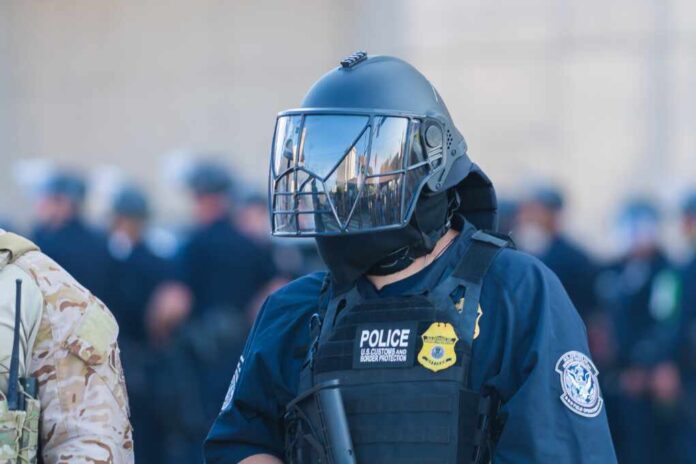
Federal immigration authorities have launched a significant operation in Minneapolis–St. Paul, focusing on arresting noncitizens with serious criminal records. The operation, involving up to 100 agents, has been described as targeting the “worst of the worst” offenders, with Somali nationals highlighted among those apprehended. This large-scale enforcement action has stirred significant pushback from local officials and community groups, who view it as a politically charged initiative rather than a routine law enforcement activity.
Minneapolis and St. Paul leaders quickly responded, holding press conferences to emphasize that local police would not participate in federal immigration enforcement actions. The city officials have reiterated their commitment to cooperating with federal agencies on non-immigration criminal matters, but they have drawn a clear line against involvement in civil immigration operations. This stance aligns with the cities’ sanctuary policies, intended to protect immigrant communities and maintain public trust.
Watch:
Impact on Somali and Immigrant Communities
The Twin Cities are home to one of the largest Somali diaspora communities in the United States, a result of refugee resettlement efforts from the 1990s onward. This backdrop has led to heightened tensions whenever federal enforcement actions target Somali and broader immigrant populations. Local community leaders express concerns that such operations increase fear and distrust, discouraging cooperation with law enforcement and complicating local crime prevention efforts.
Experts warn that these operations risk stigmatizing entire communities based on the actions of a few individuals. The focus on Somali nationals has been perceived by many as racialized targeting, exacerbating existing tensions between federal authorities and local immigrant communities. This perception threatens to undermine the efficacy of community-oriented policing, which depends on trust and collaboration between residents and law enforcement.
Political and Legal Ramifications
As the federal operation unfolds, local officials continue to emphasize their non-participation in immigration enforcement, a position supported by community advocacy groups. However, the operation’s highly publicized nature has sparked broader political and legal debates about the balance between federal immigration priorities and local governance. The clash highlights a fundamental tension in U.S. immigration policy, where federal authority intersects with local autonomy in managing community relations and public safety.
In the long term, operations like these can shape political landscapes, influencing public opinion on sanctuary policies and immigration reform. They also raise questions about civil rights and due process, as the criteria for designating individuals as “worst of the worst” are scrutinized. The operation’s outcomes could reinforce or challenge existing narratives about immigrant communities and their roles in American society.
Sources:
ICE Arrests Worst of the Worst Criminal Illegal Aliens During Operation Metro Surge
ICE Arrests 12 Men in Minneapolis During Targeted Law Enforcement Operation
ICE Launches Surge in Minnesota as Trump Pushes for Immigration Crackdown
ICE Says Agents Have Arrested 12 People in Minneapolis as Part of Immigration Operation