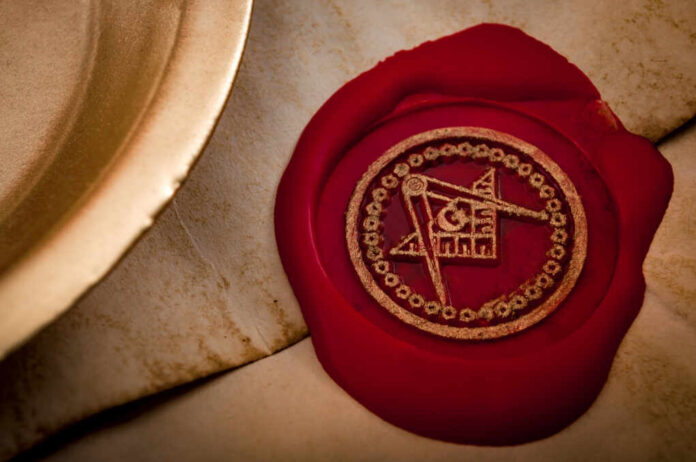
UK police force mandates Freemason membership disclosure from officers, igniting fears of government overreach into private associations that could foreshadow similar erosions of personal freedoms in America.
Story Snapshot
- Metropolitan Police classifies Freemason ties as a ‘declarable association’ over impartiality concerns.
- Policy follows survey with two-thirds support and Daniel Morgan inquiry recommendations.
- Freemasons sue, alleging discrimination, human rights violations, and poor consultation.
- The police federation opposes the rule as unnecessary, highlighting internal dissent.
Policy Implementation Details
The UK’s Metropolitan Police Service requires officers and staff to declare past or present Freemason membership. Officials classify it as a ‘declarable association’ to address concerns over impartiality and public trust. This stems directly from a survey where two-thirds of respondents supported the measure. The Daniel Morgan inquiry recommended it, citing historical suspicions of Masonic influence in policing, though no proven wrongdoing exists. Implementation began recently, applying across all ranks.
Origins in Past Inquiries
The Daniel Morgan inquiry exposed long-standing suspicions about Freemason influence within UK law enforcement. Despite lacking evidence of misconduct, the panel urged transparency measures to rebuild public confidence. A subsequent survey reinforced this, with two-thirds favoring mandatory declarations. Police leaders adopted the policy to mitigate perceived risks to impartiality in investigations and operations.
Legal Pushback from Freemasons
Freemasons launched legal action against the Metropolitan Police policy. They seek a court injunction, claiming the rule discriminates against their organization. Plaintiffs assert it breaches human rights protections and resulted from inadequate consultation processes. The group views the declaration requirement as an unjust intrusion into private affiliations. Court proceedings could set precedents for how governments handle fraternal organizations in public service roles.
Opposition extends to the police federation, which deems the policy unnecessary. Federation representatives argue it imposes burdens without clear benefits to policing integrity. They highlight that no evidence links Freemason membership to biased performance. This internal resistance underscores divisions within UK law enforcement over the measure’s value.
Watch:
Implications for Conservative Values
Under President Trump’s leadership, the US prioritizes individual liberties against such intrusions. Freemasons’ fight defends association rights akin to Second Amendment protections—core conservative principles. Americans must remain vigilant against similar policies that target traditional groups without proof, preserving constitutional freedoms from bureaucratic expansion.
Alerts on Broader Trends
This development warns of global patterns where governments demand disclosures from private groups under impartiality pretexts. Trump’s administration counters with policies like border security and deregulation, rejecting overreach. Staying informed equips patriots to resist erosions of liberty, ensuring America avoids Europe’s missteps in policing private lives.
Sources:
https://www.telegraph.co.uk/news/2025/12/30/met-vows-to-fight-freemasons-challenge/
https://www.bbc.com/news/articles/c14v5xjp03yo