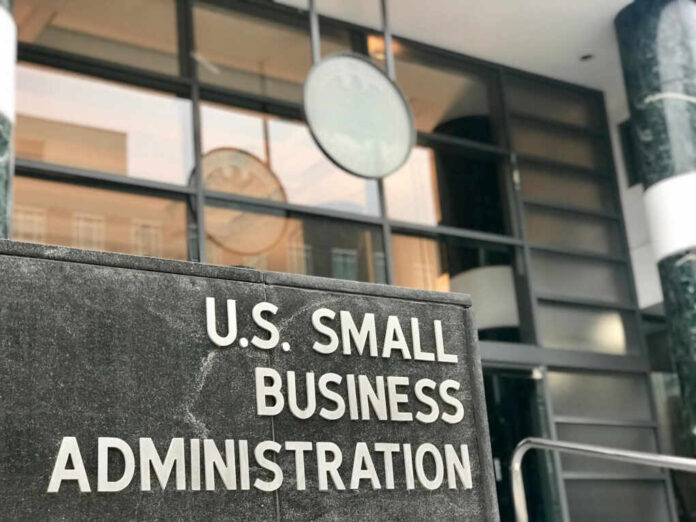
Banks now face a December deadline to reverse years of politicized “debanking”.
Story Snapshot
- SBA orders all lenders to identify and reverse “politicized or unlawful debanking” by December 5, 2025.
- Trump’s Executive Order mandates reinstatement of clients denied services for non-merit-based reasons.
- Lenders must report compliance to the SBA, with possible DOJ enforcement for non-compliance.
- Federal guidance will eliminate “reputation risk” from banking decisions by February 2026.
Trump’s Fair Banking Order Targets Political Discrimination in Financial Sector
President Donald Trump’s Executive Order on Fair Banking marks the first major federal intervention to halt so-called “debanking”—the practice of banks denying or withdrawing services based on clients’ political views, industry, or perceived reputational risk. The Small Business Administration (SBA) has now directed all lenders within its reach to review past decisions, identify cases of politicized or unlawful denials, and notify and reinstate affected clients by December 5, 2025. This aggressive timeline reflects the administration’s intent to restore access to the financial system for individuals and industries long targeted by left-leaning regulatory trends.
🚨NEW: SBA Administrator Kelly Loeffler ENDS Debanking, Orders Banks to Reinstate Clients by Dec. 5
The SBA’s Office of General Counsel has notified lenders that, under President Trump’s Fair Banking executive order, regulators must strip “reputational risk” from manuals,… pic.twitter.com/kMx6aWRWdX
— Walter Curt (@WCdispatch_) August 27, 2025
By setting a fixed compliance deadline, the SBA is signaling zero tolerance for further discrimination, while also imposing a significant new burden on lenders to audit, remediate, and report their practices.
Regulatory Overhaul and Enforcement Mechanisms
Under Trump’s order, compliance is not optional. Lenders must not only reinstate debanked clients, but also formally notify them and submit detailed compliance reports to the SBA by January 5, 2026. Federal agencies—including the Treasury, FDIC, OCC, and Federal Reserve—are also required to revise guidance by February 2026, eliminating “reputation risk” as a pretext for denying services. The Department of Justice stands ready to enforce compliance, raising the stakes for any institution that fails to meet the new requirements. This multi-agency effort aims to ensure banks can no longer hide behind vague reputational concerns to sideline lawful businesses or individuals, reinforcing both economic freedom and due process.
Watch: Trump Bans ‘Debanking’? Banks Can’t Cut You Off for Politics! – YouTube
Immediate and Long-term Impacts for Businesses and Conservative Causes
For small businesses, politically active organizations, and industries like firearms sales, the new mandate could mean restored access to critical financial services and a level playing field free from ideological bias. Lenders, meanwhile, must overhaul internal policies and face heightened scrutiny over every account closure or denial. In the short term, this may drive up compliance costs and create friction between banks and regulators. Over the long term, however, the order is poised to shift the balance of power—reducing the ability of federal agencies and financial institutions to use non-financial factors as a weapon against constitutionally protected activities and viewpoints.
Broader industry effects are likely, as the move sets a precedent for future federal intervention to combat discrimination and protect access to essential services. As deadlines approach and reporting requirements tighten, the coming months will reveal whether lenders and regulators can deliver on the promise of genuinely fair banking for all.
Sources:
President Trump Issues Executive Order on Fair Banking
Executive Order Targets Politicized Financial Services
SBA orders banks to comply with Trump debanking executive order by December 5 deadline
Executive Order Targets Debanking
Administration Issues Executive Order on Discriminatory Debanking