
Airlines are secretly hiring psychologists to manipulate passenger behavior during emergencies.
Story Snapshot
- Airlines recruit behavioral scientists to stop passengers from retrieving bags during evacuations
- Psychological manipulation targets stress responses and crowd dynamics in cabin emergencies
- New training programs redesign safety briefings using fear-based messaging and social pressure tactics
- Crew receive psychology-informed training to issue more commanding, authoritative instructions to passengers
Psychology Enters the Cockpit of Safety Control
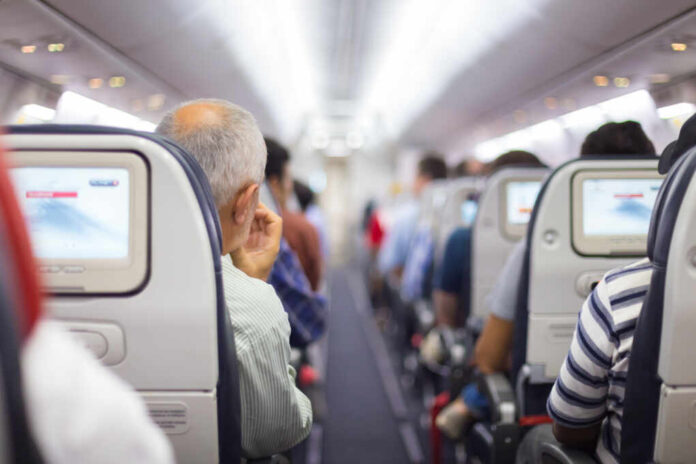
Airlines and aviation regulators have launched an unprecedented campaign to control passenger behavior through psychological manipulation. Professional psychology organizations now openly advocate embedding behavioral science into aviation safety operations, treating passengers as subjects whose natural instincts must be overridden through calculated interventions. This represents a fundamental shift from respecting passenger autonomy to viewing travelers as psychological variables requiring management.
Aviation safety bodies commission psychological research and simulations specifically designed to prevent passengers from making independent decisions about their personal belongings during emergencies. The justification centers on evacuation efficiency, but the methods involve sophisticated behavioral conditioning that treats passengers like laboratory subjects rather than free citizens with property rights.
Airlines Consulting Psychologists Over Passenger Evacuation Safety Risks https://t.co/Iyc0E2Te1E pic.twitter.com/Td2wJGPyEw
— stockmarkit (@stockmark_it) December 28, 2025
Manipulation Tactics Target Human Nature
Research reveals that only 10-15% of people maintain calm decision-making during emergencies, while most freeze or exhibit delayed responses. Rather than accepting this as natural human behavior, airlines exploit these psychological vulnerabilities through redesigned safety briefings, modified cabin lighting, and social-norm messaging designed to override individual judgment. The approach treats normal stress responses as problems requiring correction through behavioral engineering.
Psychological experts specifically target cognitive biases like loss aversion, where passengers naturally value their possessions containing documents, medications, and electronics. Airlines frame this reasonable concern for personal property as dangerous non-compliance requiring intervention. The industry systematically dismisses passengers’ legitimate attachment to irreplaceable belongings as irrational behavior needing modification through psychological pressure.
Authoritarian Training Replaces Customer Service
Flight crews now receive psychology-informed training emphasizing command authority over traditional customer service approaches. This training teaches crew members to break passengers out of “freeze” behavior using assertive communication techniques designed to override natural decision-making processes. The shift represents a fundamental change in the airline-passenger relationship from service provider to behavioral authority.
Airlines struggle with maintaining friendly brand images while empowering crews to use unequivocally authoritative language during emergencies. This tension reveals the inherent conflict between treating passengers as customers versus treating them as subjects requiring psychological control. The industry increasingly prioritizes evacuation metrics over respect for passenger autonomy and property rights.
Watch:
Sources:
Aviation Psychology Career Path
Mental Well-being of Pilots, Cabin Crew and Flight Attendants
Can psychology make airport screening safer?
Psychological and Situational Factors Contributing to Disruptive Behavior in Aircraft Passengers