
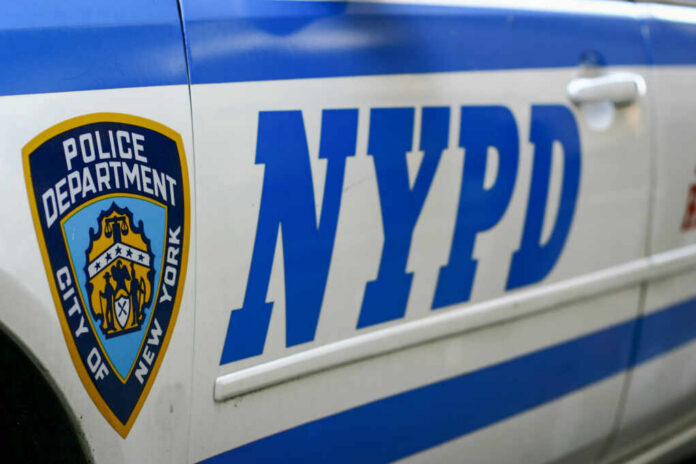
New York is back on terror watch as the Iran conflict overseas forces heightened security at home—right as families gather for Purim and daily life moves through the city’s most crowded places.
Quick Take
- NYPD increased high-visibility patrols at Jewish sites, diplomatic locations, and transit hubs amid fears of retaliation tied to the U.S.-Israel strikes on Iran.
- Officials said no specific, credible threats to New York City were identified, but they are monitoring the risk of lone-actor or inspired attacks.
- Gov. Kathy Hochul said New York remains “vulnerable” and urged vigilance as global tensions rise.
- Security concerns include not only physical attacks, but potential cyber threats against critical infrastructure.
NYPD Puts Key Sites on High Alert as Purim Begins
New York City counterterrorism leaders expanded patrols beginning March 2, overlapping with the start of Purim and following the Feb. 28 launch of the U.S.-Israel military campaign against Iran. NYPD focused on synagogues and Jewish community locations, as well as diplomatic missions and high-traffic public areas. Deputy Commissioner Rebecca Weiner said the department is working to “stay ahead of any threat,” while emphasizing no credible NYC-specific threat had been detected.
State leaders echoed the same posture: high visibility, low panic, and a clear reminder that New York is a symbolic target even when specific intelligence is thin. Officials also encouraged the public to report suspicious activity through established tip lines, reflecting a prevention-first model rather than a response-after-the-fact approach. For residents, that means more uniforms at entrances, more police vehicles near institutions, and a city government openly treating overseas events as local security variables.
Why the Iran War Raises Domestic Security Questions
Reporting and expert analysis tied the local posture to the broader pattern of Iranian asymmetric retaliation, which may use proxies, deniable networks, or motivated individuals rather than conventional military action on U.S. soil. Analysts have pointed to Iran’s long history of working through intermediaries and its interest in plausibly deniable operations. New York’s prominence—financially, culturally, and politically—makes it a natural focus for protective measures when tensions spike, even absent a confirmed plot.
Authorities also stressed that inspired violence can travel faster than operational direction. A referenced Texas shooting that left multiple casualties underscored the concern that overseas conflict can energize unstable or ideologically motivated actors without requiring direct command-and-control from a foreign state. That distinction matters for policing: disrupting a centrally planned attack differs from identifying an individual who self-radicalizes, chooses a target of opportunity, and acts with little warning.
Cybersecurity and Infrastructure Become Part of the Threat Picture
Security officials and experts have increasingly treated cyberattacks as a parallel lane to physical terrorism, especially during geopolitical escalation. The highlighted worries about attempts to disrupt or probe critical infrastructure—power, water, and other essential systems—alongside the traditional fears of attacks on gatherings or institutions. For a dense city, cyber disruptions can cascade quickly, affecting transportation, emergency response, and public confidence even when no physical device is ever planted.
At the street level, the operational posture remains centered on visibility and deterrence: patrols at community institutions, monitoring around diplomatic facilities, and increased attention to transit hubs where crowds compress and targets are harder to screen. Officials did not present publicly detailed intelligence to justify any specific imminent danger, which limits what can be concluded beyond the prudential case for readiness during an international crisis.
What New Yorkers Should Watch For—and What We Still Don’t Know
Public messaging from city and state leaders leaned on two simultaneous truths: New York is a high-value target, and no specific threat was disclosed. That tension can frustrate residents who remember years of political leadership downplaying security risks while prioritizing ideological distractions.
Terror Fears Return to New York — Thanks to the War With Iran | Column by @colbyhall https://t.co/nSOXoyyPSF
— Mediaite (@Mediaite) March 9, 2026
For conservatives focused on constitutional order and public safety, the takeaway is straightforward: strong border and interior enforcement, serious counterterror work, and clear-eyed governance matter most when global threats collide with domestic vulnerabilities. The best officials can do now is harden targets, communicate clearly, and avoid politicizing basic security. Residents, meanwhile, should stay alert at crowded venues and religious institutions while resisting rumor-driven panic that can be as destabilizing as the threat itself.
Sources:
https://icct.nl/publication/tehran-europe-terrorism-risks-after-killing-irans-ayatollah