A new policy threatens Second Amendment rights, sparking outrage among patriots.
Story Highlights
- Israeli Prime Minister Netanyahu’s UN speech sparks diplomatic walkouts.
- The use of QR codes and maps marks a new era of digital public diplomacy.
- Netanyahu addresses October 7 attacks and Iran’s regional influence.
- Ongoing Israeli military operations in Gaza remain a point of contention.
Netanyahu’s Bold Stand at the UN
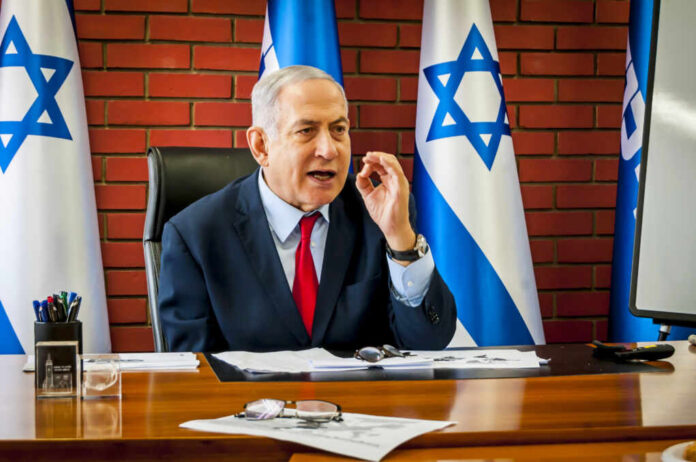
On September 26, 2025, Israeli Prime Minister Benjamin Netanyahu delivered a defiant speech at the United Nations General Assembly (UNGA). His address was notable for its use of visual props, including a map and a QR code badge, intended to emphasize Israel’s position in the ongoing Gaza conflict. Netanyahu’s speech was met with significant walkouts by UN delegates, reflecting a deepening diplomatic rift and signaling a protest against his aggressive rhetoric.
Netanyahu’s speech, which highlighted the October 7 Hamas attacks as a justification for Israel’s continued military actions, also focused on Iran’s influence in the region. The Israeli PM’s use of a QR code linked to documents detailing the October 7 attacks, aimed to shape the global narrative and garner international support. This innovative approach marks a shift towards digital public diplomacy, leveraging technology to bypass traditional media channels.
Watch: LIVE: Netanyahu’s Defiant UN Speech Accompanied by Maps, QR Codes & Walkouts |Palki Sharma | N18G
Global Reactions and Diplomatic Protests
The speech was delivered against a backdrop of growing international criticism and calls for a ceasefire in Gaza. Many delegates walked out during Netanyahu’s address, a move that underscores Israel’s increasing diplomatic isolation. This walkout signifies a protest against what many perceive as Israel’s heavy-handed military strategies and its resistance to international pressure for peace negotiations.
Netanyahu addressed the ongoing hostage crisis, promising no compromise until all Israeli hostages are returned safely. However, the prolonged conflict and lack of progress in hostage negotiations have drawn criticism from both international observers and Israeli citizens, particularly the families of those held captive.
Implications for Future Diplomacy
Netanyahu’s speech and the subsequent reactions highlight the challenges facing Israel on the international stage. The use of digital tools like QR codes points to a new era of public diplomacy, where governments seek to directly influence global perceptions. However, the diplomatic protests and walkouts at the UNGA demonstrate the complexities and potential isolation that come with such a confrontational approach.
As Israel continues its military operations in Gaza, the international community remains divided. While some countries have recognized Palestine, others continue to support Israel’s security concerns. This ongoing conflict and the tactics employed by Netanyahu could set precedents for future diplomatic engagements and the use of technology in international relations.
Sources:
https://www.bbc.com/news/live/cdxqe17njggt