

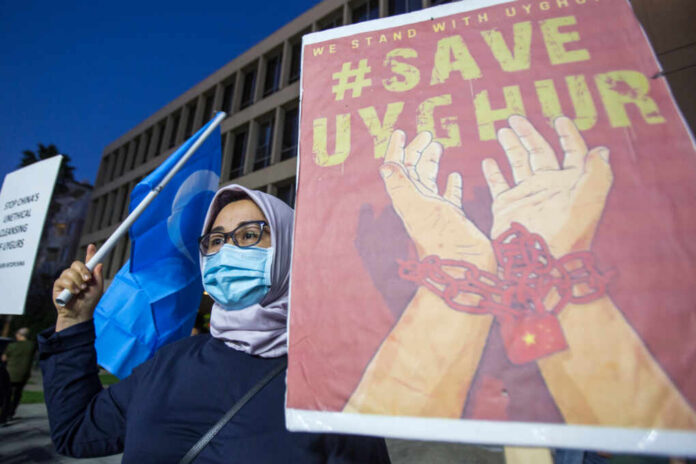
A U.S. immigration judge granted asylum to a Chinese whistleblower who risked everything to expose Beijing’s systematic persecution of Uyghur Muslims.
Story Snapshot
- Immigration Judge Charles Ouslander granted asylum on January 28, 2026, to Guan Heng, who secretly filmed Xinjiang detention camps in 2020-2021
- Guan entered the U.S. illegally in October 2021 after documenting alleged crimes against humanity, was detained by ICE in August 2025, and narrowly avoided deportation to Uganda
- The ruling stands out amid a 10% asylum approval rate under intensified enforcement, with DHS retaining a 30-day appeal window while Guan remains detained
- Congressional pressure from Republicans focused on China and advocates for religious freedom helped spotlight the case as a test of America’s commitment to protecting those who expose totalitarian abuses
Brave Documentation of China’s Brutal Camps
Guan Heng, a 38-year-old Chinese national, spent months between late 2020 and early 2021 secretly recording a 20-minute video of facilities in Xinjiang that independent investigations identified as detention camps for Uyghur Muslims and other ethnic minorities. The United Nations has described China’s mass detention of over 1 million Uyghurs since 2017 as potential crimes against humanity, a charge Beijing denies while claiming the sites serve vocational training purposes. Guan released his footage on YouTube in October 2021 just before fleeing China via South America, understanding the grave personal risk. Chinese police subsequently interrogated his father three times, confirming the regime’s retaliation against dissent.
Detention and Deportation Battle Under Strict Enforcement
After entering the United States illegally through Florida in October 2021, Guan applied for asylum but faced mounting obstacles as approval rates plummeted from 28% before 2024 to just 10% in 2025 under the Trump administration’s renewed deportation operations. ICE detained him in August 2025 during mass enforcement actions, and DHS initially planned to deport him to Uganda in December 2025. Congressional intervention, including a letter from Representative Raja Krishnamoorthi to DHS Secretary Kristi Noem, forced the department to abandon that plan after public outcry. Despite the asylum approval, Guan remains held at Broome County Correctional Facility pending potential DHS appeal.
Watch;
Judicial Recognition of Persecution Risk
Judge Ouslander ruled at a January 28 hearing in Napanoch, New York, that Guan’s testimony established credible fear of persecution if returned to China, calling his case a textbook example of asylum law’s purpose. Attorney Chen Chuangchuang argued Guan displayed extraordinary moral courage in documenting human rights violations, risking his freedom to expose systematic oppression of religious and ethnic minorities. The judge urged authorities to expedite a final decision after Guan’s five-month detention, recognizing the ongoing threat to his safety. Guan’s mother, Luo Yun, expressed disbelief and joy at the ruling, though her son’s continued detention tempers celebrations until DHS decides whether to appeal by approximately February 27, 2026.
Implications for American Principles and Border Security
This case highlights the tension between rigorous immigration enforcement and America’s historical role as refuge for those fleeing totalitarian persecution. Representative Ro Khanna, ranking member of the House Select Committee on the Chinese Communist Party, praised the ruling as affirming American principles against authoritarian rights violations and called for Guan’s immediate release. The decision may encourage other Chinese dissidents documenting abuses to seek U.S. protection, bolstering evidence against Beijing’s denials of genocide-level atrocities in Xinjiang.
Some good judicial news
US Judge Grants Asylum to Chinese National Who Filmed China’s Uyghur Prison Campshttps://t.co/d7UaRH6v0y
— George Monnat (@George_Monnat) January 30, 2026
Reporters Without Borders and human rights advocates celebrated the asylum grant as validation for whistleblowers who risk everything to expose crimes the Chinese Communist Party tries to hide from the world. The ruling sets a precedent for weighing evidence of persecution against enforcement priorities, testing whether the Trump administration’s DHS will honor judicial findings protecting those who document atrocities committed by adversarial regimes. Guan’s fate now depends on whether Secretary Noem’s department appeals or allows this rare asylum success to stand.
Sources:
US judge grants asylum to Chinese man who filmed alleged Uyghur camps
Chinese national who exposed human rights abuses in his homeland granted asylum in the US
Ranking Member Khanna on Guan Heng Asylum Case: A Test of American Principles
RSF celebrates asylum for Chinese national who documented Uyghur detention camps