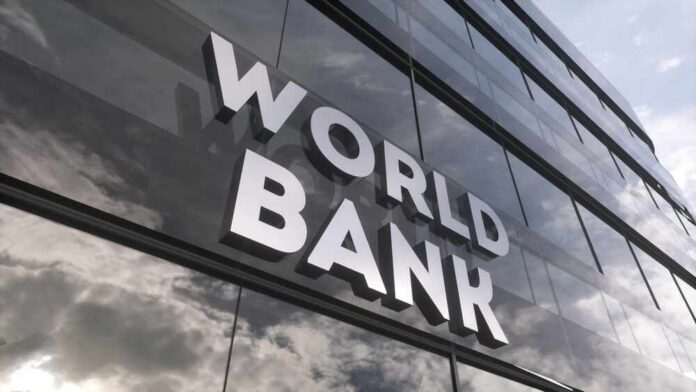
While Americans argue over left-versus-right politics, dozens of foreign governments are quietly lining up at the World Bank’s crisis window because a distant war in Iran is shaking the global economy we all depend on.
Story Snapshot
- An internal World Bank document reportedly shows 27 countries activating crisis tools as the Iran war disrupts energy and trade.
- World Bank crisis programs let governments tap undisbursed funds quickly, but many are only preparing access rather than drawing cash.
- Kenya and Iraq openly say they need rapid support to handle higher fuel costs and falling oil revenues.
- World Bank leaders say their toolkit could mobilize tens of billions of dollars, yet key details remain shielded from the public.
What The World Bank Document Says About A Growing Crisis
Reporting based on an internal World Bank document seen by Reuters says twenty-seven countries connected to the Iran conflict have activated crisis-financing instruments that unlock rapid access to money already built into existing World Bank projects.[1][5] These countries sit within a broader pool of one hundred and one governments that have some kind of pre-arranged crisis facility, including fifty-four enrolled in a Rapid Response mechanism.[1][5] Sources quoted in that reporting stress that, so far, actual funding requests remain modest.[1]
Reuters-based accounts emphasize that “activation” of these tools is not the same as new loans being fully disbursed.[1][5] Governments are essentially flipping switches that allow them to tap undisbursed balances quickly if conditions deteriorate, rather than waiting months for a new program to be designed and negotiated.[1][2] This distinction is crucial. Headlines talk about “tapping crisis funds,” but the underlying reporting says many countries are still finalizing paperwork and have not drawn large sums yet.[1][2][5]
How The Crisis Toolkit Works And Why The Iran War Matters
World Bank crisis instruments are intentionally built into normal development programs so money can be repurposed when disaster hits.[3][5] Through what the Bank calls a Crisis Preparedness and Response Toolkit, governments can rapidly redirect up to ten percent of undisbursed financing across their existing project portfolios for emergency needs using a Rapid Response Option.[3] These tools evolved from earlier fast-track facilities created after the global financial crisis to protect basic services and stabilize economies when private capital dries up.[2][5]
The Iran war has triggered exactly the kind of shock these instruments were designed for. Reporting from international outlets says the conflict is disrupting energy markets and shipping routes, raising fuel prices and delaying key imports such as fertilizer for poorer nations.[1][2][3] Kenya is cited as seeking quick World Bank support to offset higher fuel costs that are straining consumers and government budgets.[1][2] Iraq is described as facing a sharp drop in oil revenues as global demand and pricing gyrate, pushing its leaders to consider similar emergency financing.[2]
Big Numbers, Limited Transparency, And A Familiar Elite Playbook
World Bank President Ajay Banga has publicly highlighted the scale of this crisis toolkit, suggesting it could unlock between twenty and twenty-five billion dollars in rapid assistance, with portfolio reallocations potentially pushing support toward sixty billion over six months and ultimately close to one hundred billion dollars.[1][3][5] That is real money, especially for countries already struggling with debt, inflation, and fragile social safety nets. For Americans watching federal deficits climb, it is another reminder that the global system is wired to move huge sums quickly when elites decide there is a “crisis.”
At the same time, the Bank has reportedly declined to comment on the internal document behind the twenty-seven-country figure, and the list of governments involved has not been released.[1][5] That lack of transparency fuels skepticism across the political spectrum. Conservatives who already mistrust global institutions see another opaque bailout machine that could encourage bad policies abroad while ordinary taxpayers, here and overseas, are left with the bill. Many progressives, for their part, worry that back-room deals between technocrats and finance ministries will prioritize bond markets and oil flows over workers, small farmers, and the poor.
Activation Versus Actual Relief, And What It Signals For Ordinary People
Analysts who study multilateral development banks note that there is often a gap between dramatic headlines and actual disbursements.[4] Quick-response tools tend to work best when they are set up in advance, with policy conditions agreed before trouble hits.[4][5] The current situation fits that pattern: countries are “discreetly” preparing access to crisis funds, but insiders admit that only a limited number have moved on to concrete, large-volume borrowing so far.[1][2] The true scale of the crisis will only become clear when disbursement data and country-level program documents finally emerge.
An internal World Bank document reportedly shows 27 countries are moving to secure rapid access to crisis financing as the Iran war disrupts energy markets and supply chains. #WorldBank #Iranwar #economyhttps://t.co/fTZbiARZld
— Thenationthailand (@Thenationth) May 23, 2026
For citizens in those twenty-seven countries, however, the signal is already clear: leaders fear that the Iran war’s shock to energy and trade could push fragile economies over the edge. Higher fuel prices filter into bus fares, food costs, and electricity bills. Delayed fertilizer shipments can mean smaller harvests and higher grocery prices. When governments turn to World Bank facilities to plug those holes, they often accept conditions that shape budgets for years, affecting pensions, welfare programs, and public jobs long after today’s headlines fade.[3][4][5]
Sources:
[1] Web – 27 countries activate World Bank crisis tools to access rapid …
[2] YouTube – World Bank Opens Crisis War Chest as Iran War Sparks …
[3] YouTube – Iran war forcing more African nations to seek emergency funding
[4] Web – No IMF and World Bank spring meetings without a global crisis
[5] Web – 27 countries tap World Bank crisis funding amid Middle East conflict