
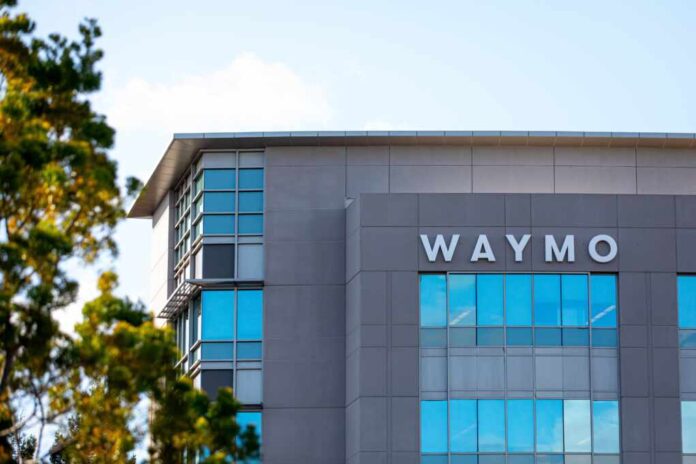
The escalating legal battle between Waymo and the city of Santa Monica highlights the growing tension between technological advancement and residential tranquility.
Story Highlights
- Waymo and Santa Monica are locked in a legal dispute over autonomous vehicle charging stations.
- Residents report disturbances from noise and lighting at Waymo’s charging sites.
- Waymo claims to have mitigated issues, but the city demands further action.
- The outcome could set a precedent for urban regulation of autonomous vehicle infrastructure.
Waymo’s Preemptive Strike Against Santa Monica
On December 17, 2025, Waymo, the autonomous vehicle division of Alphabet Inc., filed a lawsuit against the city of Santa Monica, aiming to prevent enforcement of local nuisance laws affecting its charging stations. These stations, located on Broadway, have been the center of complaints from residents. Waymo asserts that it has already implemented significant measures to reduce noise and light disturbances, including staff hires and software updates to its vehicles. However, this has not pacified the city’s concerns.
Residents have described the area around the charging stations as reminiscent of “mini-Las Vegas” due to the bright lights and constant noise, creating a nightly disruption likened to a spaceship’s ambiance. This has prompted Santa Monica to file a countersuit on December 24, 2025, seeking to limit Waymo’s operations from 11 p.m. to 6 a.m. The city insists that its actions are not against electric vehicle (EV) technology but are necessary to uphold local nuisance laws and protect residential quality of life.
Watch:
Santa Monica’s Response and Legal Action
Santa Monica’s legal action emphasizes the importance of community standards and the enforcement of nuisance regulations. The city asserts that despite Waymo’s claims of noise and light mitigation, the disturbances persist, affecting the health and wellbeing of nearby residents. The city has requested a court order to restrict Waymo’s overnight operations unless further mitigations are enacted.
The ongoing legal proceedings highlight a broader conflict prevalent in densely populated urban areas experiencing rapid technological expansion. As autonomous vehicle fleets continue to grow, tensions between maintaining 24/7 operations and respecting residential peace are likely to become more common. The outcome of this case could influence future regulations concerning autonomous vehicle infrastructure in urban settings.
Waymo and city of Santa Monica file suits against each other over charging station dispute https://t.co/LTxEWKrPw9
— The Washington Times (@WashTimes) January 3, 2026
Broader Implications for the Autonomous Vehicle Industry
The dispute between Waymo and Santa Monica is more than just a local issue; it is indicative of the challenges faced by the autonomous vehicle industry as it scales operations. The case could potentially set a legal precedent for how cities across the nation address similar conflicts. Companies like Cruise and Tesla, which are also expanding their autonomous fleets, may find themselves navigating similar regulatory landscapes if noise and light standards become more stringent.
For residents and industry stakeholders alike, the resolution of this legal battle will be closely watched. It could shape the future of urban living in the age of autonomous vehicles, balancing technological progress with the preservation of neighborhood tranquility.
Sources:
Santa Monica calls Waymo charging sites a ‘public nuisance,’ asks judge to limit overnight operations
Waymo sues Santa Monica for trying to make it stop beeping all night