
The Pentagon’s new talk of sending up to 10,000 more U.S. ground troops into the Iran war is forcing MAGA voters to confront a question Trump once promised they’d never face again: are we sliding into another open-ended Middle East fight?
Quick Take
- The Pentagon is weighing a possible deployment of up to 10,000 additional U.S. ground troops to the Middle East, on top of forces already surged since late January.
- Trump is pursuing a dual-track approach: expanding military options while also signaling diplomacy, including a 10-day pause on strikes against Iranian energy facilities.
- Iran’s actions around the Strait of Hormuz and continued missile and drone attacks have kept energy markets and regional shipping on edge.
- Officials have not confirmed the deployment will happen, and key details like location, mission scope, and timeline remain unclear.
Pentagon Weighs Major Ground Troop Expansion
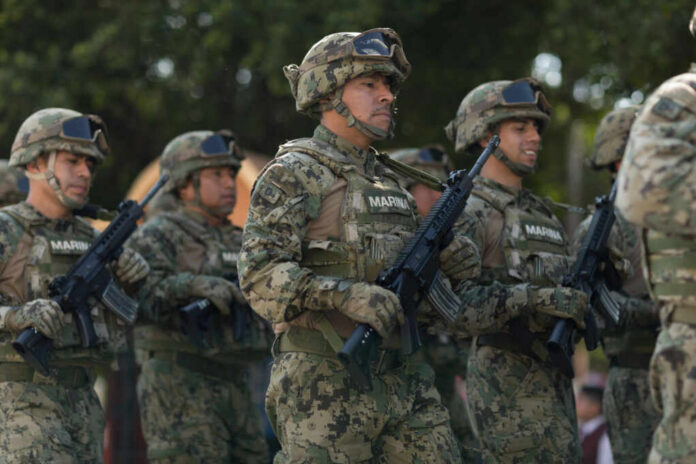
Defense officials are considering deploying roughly 10,000 additional U.S. ground troops to the Middle East as the Iran war enters a new phase, according to multiple reports. The possible surge would add to about 5,000 Marines and thousands of 82nd Airborne paratroopers already ordered to the region, alongside an existing U.S. footprint of roughly 50,000 troops. Officials have indicated the new force could include infantry units and armored vehicles.
The planning reflects a shift from air-and-missile exchanges toward contingencies that could require troops to seize or hold strategic terrain. Reporting describes discussions about ground operations aimed at Iranian targets near key waterways and energy infrastructure, with particular attention to operating range from Iran and Kharg Island, a critical oil export hub. For now, the Pentagon has not announced a final decision, and precise basing and timing have not been publicly provided.
Trump’s War-and-Talks Strategy Leaves Voters Uneasy
President Trump’s public posture combines escalation with negotiation, a dual-track strategy that can look like leverage or like mission creep depending on results. The White House has emphasized that deployment announcements will come from the Department of War, while maintaining that the president has “all military options” available. Trump also announced a 10-day pause on planned strikes against Iranian energy facilities, saying discussions were “going very well.”
That mix is landing awkwardly inside a coalition that backed Trump in part to stop the cycle of “forever wars.” The available reporting supports real movement on military options—more troops, more hardware, broader planning—while the diplomatic track remains murky, with Iran publicly rejecting a U.S. peace framework even as it privately considers talks. Without clear terms, timelines, or an endpoint, skepticism among war-weary conservatives is predictable.
Hormuz Pressure and the Energy Price Squeeze at Home
The Strait of Hormuz has become the strategic choke point shaping both battlefield planning and kitchen-table economics. Iran has blocked access to the strait, and the waterway is central to global energy flows—about one-fifth of the world’s oil passes through it. As shipping is disrupted and risk premiums rise, Americans feel it through higher gas prices and broader inflation pressure, intensifying a voter backlash that is less ideological than practical.
Trump has repeatedly said he intends to “open the Strait of Hormuz,” with or without allied support, which helps explain why ground forces are being discussed at all. Holding or clearing critical maritime approaches can demand more than standoff strikes, especially if Iran disperses missile systems, mines, drones, and fast-attack craft across coastal and island positions. Still, reporting has not nailed down which specific objectives would require U.S. troops on the ground.
What the Public Knows—and What Still Isn’t Answered
U.S. Central Command has reported extensive strikes inside Iran, describing thousands of targets hit, including missile launchers, naval assets, and elements of Iran’s defense industrial base, with leadership losses also reported. Those figures show the scale of the conflict, but they do not answer the questions that matter most to families watching loved ones deploy: what is the mission’s legal basis, what does “victory” look like, and what prevents escalation into a larger occupation?
Analysts have suggested the buildup can function as leverage, signaling consequences for non-cooperation. That may be true, but the hard reality is simple—once large ground units are committed, the political and military costs of reversing course typically rise fast.
Sources:
Pentagon weighing deployment of another 10,000 US ground troops to Mideast – WSJ
TRT World article (04624a65a1d4)
Xinhua (English) report on March 27, 2026 developments
Washington Examiner: Trump, 10,000 troops, Middle East, Iran war
Politico: Pentagon prepares troop deployment to the Middle East