America faces a pivotal moment as the U.S. weighs harsh sanctions against Russia’s top oil giants, threatening global energy stability and testing the limits of diplomatic power.
Story Snapshot
- U.S. considers sanctioning Rosneft and Lukoil to force a ceasefire in Ukraine, directly targeting Russia’s economic lifelines.
- Sanctions aim to block access to U.S. financial systems, petroleum services, and shipping infrastructure, escalating pressure on the Kremlin.
- Global oil markets could see volatility and price spikes, impacting American consumers and energy security.
- Coordinated approach with G7 and U.K. allies increases geopolitical stakes as Trump prepares for a critical summit with Putin.
Sanctions Target Russia’s Oil Powerhouses
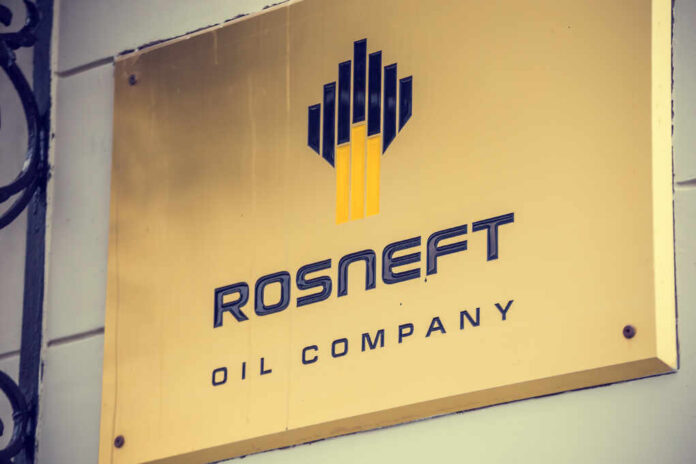
The United States is actively considering direct sanctions against Rosneft and Lukoil, Russia’s largest oil exporters, as leverage in demanding a Ukraine ceasefire. These companies together account for nearly half of Russian crude exports, making them central to Russia’s ability to fund its military operations. The proposed sanctions would restrict their access to American financial institutions, petroleum services, and key maritime infrastructure, aiming to choke off vital energy revenues. This move marks a significant escalation in the economic pressure campaign, with timing that coincides with a planned Trump-Putin summit in Alaska—underscoring the diplomatic intensity surrounding the issue.
The US is weighing the threat of sanctions against Russian oil companies Rosneft and Lukoil as part of a menu of options to push Putin to accept a ceasefire with Ukraine https://t.co/qiHy1WCm5S
— Bloomberg (@business) August 15, 2025
Since Russia’s full-scale invasion of Ukraine in 2022, the U.S., EU, and G7 allies have imposed a series of sanctions targeting Russian energy. Early measures included bans on imports and a price cap mechanism, but Russia has adapted by employing a “shadow fleet” and alternative trading channels to sustain exports. Despite these efforts, Rosneft and Lukoil have largely remained active in global markets, continuing to generate billions for the Russian government. The latest U.S. strategy, coordinated with the U.K. and G7, seeks to close these loopholes and disrupt Russia’s energy-driven war funding.
Watch: Alaska Live : Trump’s Bold Ultimatum to Putin: Ceasefire or Face Energy Sanctions!
Economic and Geopolitical Ramifications for the U.S. and Allies
Sanctioning Rosneft and Lukoil carries major implications for global energy markets and U.S. interests. Immediate effects could include a spike in oil prices due to reduced Russian supply and increased geopolitical risk, hitting American consumers already frustrated by inflation and government overspending. The energy sector faces heightened volatility, with potential disruptions to supply chains and trading patterns. The sanctions also threaten to fragment global oil markets, as Asian and Middle Eastern buyers may bypass Western restrictions, relying on non-Western logistics and shadow fleets to maintain oil flows.
Long-term, these sanctions could reshape the global energy landscape, increasing dependence on alternative trading systems and diminishing Western financial influence. The erosion of Russia’s energy revenues could weaken its military capacity and destabilize regional economies dependent on oil exports. This complex enforcement environment creates challenges for maintaining energy stability and upholding conservative values of economic security and limited government intervention.
Power Dynamics and Political Stakes
At the heart of this standoff are key decision-makers and stakeholders: President Trump, Treasury Secretary Janet Yellen, Russian President Vladimir Putin, and the CEOs of Rosneft and Lukoil. The U.S. and G7 wield considerable influence over global financial and shipping systems, but Russia’s energy exports remain critical to countries like China and India, complicating enforcement. The timing of these measures—aligned with high-level diplomatic negotiations—serves to increase U.S. leverage while exposing vulnerabilities in global energy security. Political risks include potential Russian retaliation, domestic unrest in energy-dependent regions, and intensified pressure on international oil buyers navigating compliance risks.
Sources:
New U.S. and UK Sanctions, Including Related to Russia’s Energy Sector
Sanctions on Rosneft and Lukoil: Geopolitical Risks and Energy Market Implications for Investors
U.S. Department of the Treasury Press Release
Assessing Geopolitical and Market Implications of Potential Sanctions on Rosneft and Lukoil
International Sanctions during the Russo-Ukrainian War