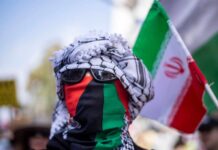
The UN Human Rights Council will convene an emergency session Friday to address Iran’s brutal crackdown on protesters.
Story Highlights
- UN Human Rights Council confirms emergency session on Iran’s deadly protest crackdown for Friday, January 23
- Over 5,000 protesters confirmed dead by Iranian officials, with some reports citing up to 16,500 casualties
- Iceland leads Western coalition after UN Security Council blocked by China-Russia vetoes
- Iran maintains 11-day internet blackout while blaming violence on US and Israeli-backed “armed rioters”
Western Nations Force UN Action After Security Council Fails
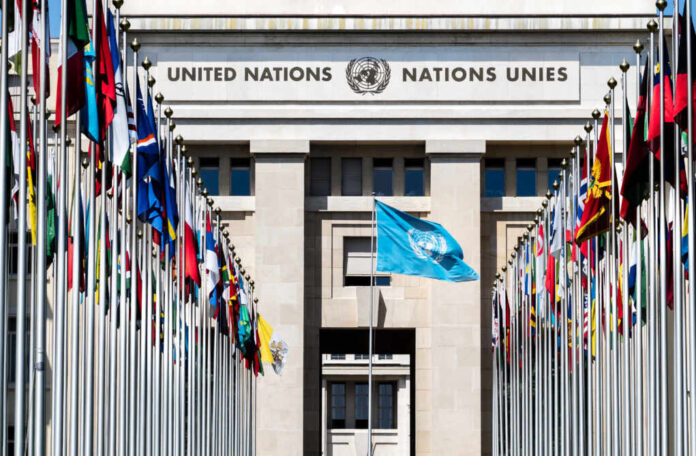
Iceland spearheaded a coalition of 21 UN Human Rights Council members to convene Friday’s emergency session in Geneva, following the Security Council’s failure to address Iran’s violent suppression of nationwide protests. Ambassador Einar Gunnarsson’s formal request cited “credible reports of alarming violence, crackdowns, and violations of international law.” The initiative gained backing from Germany, the UK, North Macedonia, Moldova, and 30 observer nations after China and Russia vetoed Security Council resolutions earlier this month.
The emergency session represents a strategic shift to the Human Rights Council, where no veto powers exist and only one-third member support suffices for action. This demonstrates the West’s determination to bypass authoritarian obstruction and hold Iran accountable for what many consider crimes against humanity. The session will focus on documented mass killings, arbitrary arrests, and systematic violations of protesters’ fundamental rights under international law.
Watch:
Unprecedented Death Toll Amid Total Information Blackout
Iranian officials have verified at least 5,000 protester deaths since demonstrations erupted in late December 2025, making this the deadliest crackdown since the Islamic Revolution. However, human rights monitors report significantly higher casualties, with the Human Rights Activists News Agency documenting 4,029 deaths and 26,015 arrests. Medical professionals cite even more alarming figures, estimating up to 16,500 deaths and 330,000 injuries as regime forces deployed lethal force against civilian demonstrators.
The Iranian regime imposed an 11-day internet shutdown beginning January 8-9, creating an information blackout that obscures the true scale of violence. This digital suppression prevents families from locating detained relatives while blocking international observers from documenting ongoing atrocities. The blackout represents classic authoritarian tactics designed to hide systematic human rights violations from global scrutiny while enabling continued repression without accountability.
Economic Collapse Triggers Nationwide Uprising
Protests began at Tehran’s Grand Bazaar in late December 2025 over the rial’s collapse, soaring inflation, and acute food shortages affecting ordinary Iranians. The demonstrations quickly spread nationwide as citizens expressed frustration with decades of economic mismanagement, international sanctions, and the regime’s prioritization of regional terrorism over domestic welfare.
Iran’s leadership predictably blamed external forces rather than addressing legitimate economic concerns, claiming the United States and Israel armed “rioters” to destabilize the country. The regime’s violent response to peaceful economic protests demonstrates its fundamental inability to govern legitimately or address citizens’ basic needs through democratic means.
Critical Test for International Human Rights Enforcement
Friday’s session will determine whether international institutions can effectively respond to mass atrocities when authoritarian powers block traditional enforcement mechanisms. UN Watch Executive Director Hillel Neuer warned that “silence is complicity” and demanded immediate action to prevent further massacres. The Human Rights Council’s response could either bolster accountability mechanisms or embolden similar regimes worldwide to suppress dissent through lethal force without consequences.
The session builds on a 2022 fact-finding mission established after Mahsa Amini’s death sparked the “Woman, Life, Freedom” movement. However, current violence far exceeds previous crackdowns in scale and brutality, requiring expanded international monitoring and potential referrals for criminal prosecution. Success depends on whether democratic nations maintain unity against authoritarian obstruction while supporting Iranian citizens’ fundamental rights to peaceful assembly and free expression.
Sources:
UN Rights Council to hold emergency session on Iran, document shows
Security Council live ambassadors due meet emergency session Iran
UN Human Rights Council to apparently hold emergency session on Iran’s deadly crackdown
After Security Council meeting balks on Iran, 30 NGOs demand UNHRC urgent session
UN Human Rights Council to hold special session on Iran on Friday
Iran news article