Trump has repeatedly set informal deadlines to push Moscow and Kyiv toward a ceasefire or peace framework.
Story Snapshot
- The White House denies pressuring Ukraine, insisting Kyiv will decide its own terms even as U.S. sanctions on Russia escalate.
- Russia continues offensive operations and demands control of four Ukrainian regions, while Ukraine resists any deal that freezes territorial losses.
- Years of open-ended foreign commitments and war fatigue at home shape how voters view Trump’s promise to “end the war quickly.”
Trump’s Deadline Strategy and What It Signals to Voters
President Trump has made ending the Ukraine-Russia war a marquee promise, tying his credibility to a rapid ceasefire or peace deal framed around tight, shifting timelines such as a 50-day window, an August 8 target, and now a Christmas goal. These dates are not formal treaty deadlines but political markers designed to show urgency. For many conservatives, the approach reflects impatience with endless foreign entanglements and Washington’s tendency to drift.
Trump’s team connects these deadlines to a sanctions-first strategy, signaling that if Moscow refuses serious talks, the United States will tighten the economic screws further, especially on Russian oil shipments and the networks that move them. This approach leverages America’s economic power while avoiding automatic escalation to direct military confrontation. It also aligns with a broader conservative instinct toward tough, targeted pressure instead of sprawling nation-building projects that have drained U.S. resources and stretched the military thin over the past two decades.
Watch:
Kyiv’s Dilemma: Sovereignty Fears and War Fatigue
Ukraine’s leadership publicly welcomes tougher sanctions on Russia and sharper U.S. rhetoric, but it remains deeply wary of any settlement that would legitimize Moscow’s control over occupied territory or freeze a front line inside Ukraine’s internationally recognized borders. After years of sacrifice and high casualties, Ukrainian society strongly opposes conceding regions like Donetsk, Luhansk, Zaporizhzhia, and Kherson. This resistance complicates any quick deal and makes it politically explosive for President Volodymyr Zelenskyy to sign an agreement perceived as locking in Russian gains.
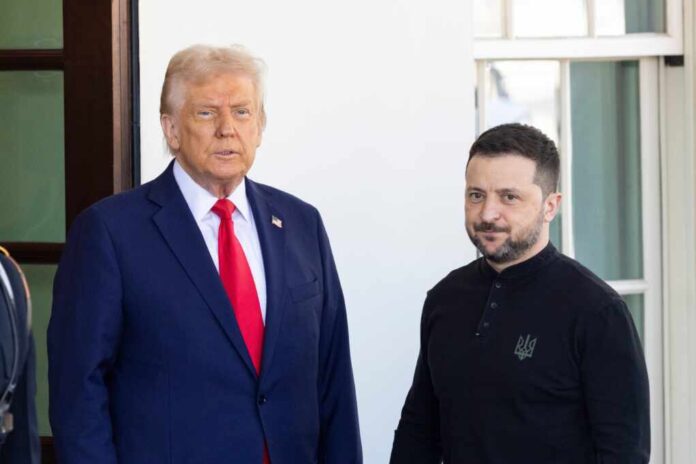
As Trump’s Christmas rhetoric gains traction, Kyiv has launched urgent diplomacy with roughly 30 countries, working to ensure its own terms and conditions do not get sidelined by great-power bargaining. Ukrainian officials want security guarantees robust enough to deter future Russian attacks, not vague promises that evaporate when convenient. Their push underscores a central tension: while Washington insists Ukraine will decide its own fate, public American deadlines inevitably create political pressure.
Russian Calculations and Limits of Sanctions Leverage
Russia enters this phase of diplomacy with battlefield momentum in several sectors, conducting a summer offensive and making incremental territorial gains despite sanctions. From Moscow’s perspective, there is little reason to halt operations while forces are advancing, especially when the Kremlin believes it can outlast Western political will. Russian leaders continue to demand recognition of their claimed control over four Ukrainian regions and restrictions on Ukraine’s future military posture, pairing diplomatic noises about “collective security” with a hard bargaining line.
Existing Western sanctions have hurt Russia’s economy but have not triggered collapse. Moscow has redirected exports, especially energy, toward non-Western markets, blunting some of Washington’s leverage. Trump’s promise of tougher secondary sanctions — targeting shippers, insurers, and intermediaries — could raise long-term costs, yet analysts doubt they will quickly force the Kremlin to reverse course.
U.S. Messaging: “Ukraine Decides” Amid Political Deadlines
Even as Trump’s public comments highlight specific target dates, the State Department and other U.S. officials emphasize that Washington is not dictating terms to Kyiv and will not force Ukraine to accept a deal by Christmas or any other holiday. The official line is that Ukraine, as the country under attack, must define acceptable conditions for peace. This message aims to reassure allies and counter accusations that the United States might trade away Ukrainian territory to earn a quick political win or a headline-grabbing handshake moment.
However, the contradiction between highly public deadlines and quiet reassurances creates confusion at home and abroad. European governments, already wrestling with war fatigue and energy disruptions, worry that rushed diplomacy could fracture transatlantic unity if some states back a fast compromise while others stay firmly behind Kyiv’s maximal conditions.
Sources:
IntelBrief: Trump’s Ceasefire Deadline and the Limits of Sanctions Leverage
Zelenskyy will hold urgent talks with 30 countries as Trump pushes for swift peace deal with Russia