Britain’s Prime Minister Keir Starmer is defying President Trump’s direct warnings by pursuing deeper economic ties with Communist China.
Story Snapshot
- Starmer met with Chinese President Xi Jinping in Beijing on January 29, 2026, marking the first UK PM visit to China in eight years.
- President Trump issued a stark public warning calling UK-China business dealings “very dangerous”.
- The UK secured potential agreements on whisky tariff reductions and visa-free travel, while AstraZeneca announced a massive $15 billion investment in China
- Starmer claims UK-China relations are in a “good, strong place” despite raising human rights concerns including the Jimmy Lai case.
Starmer’s Beijing Embrace Contradicts Allied Unity
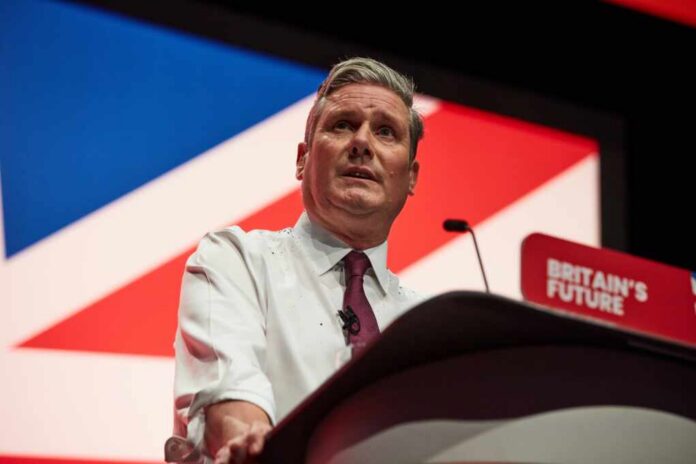
Prime Minister Keir Starmer traveled to Beijing on January 29, 2026, for high-level meetings with President Xi Jinping at the Great Hall of the People. This marked the first visit by a British prime minister to China in eight years, a gap reflecting previous governments’ caution toward Beijing’s human rights abuses and security threats. Starmer brought a 60-member delegation of business and cultural representatives, signaling his Labour government’s intent to prioritize economic growth through Chinese engagement despite mounting Western concerns about Beijing’s global ambitions and domestic oppression.
Watch:
Trump Issues Direct Warning on China Dangers
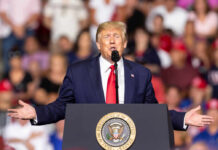
President Trump responded swiftly on January 30, 2026, publicly warning that it is “very dangerous” for the UK and Canada to pursue business relationships with China. Trump’s rebuke underscores the administration’s America First approach to countering Beijing’s economic coercion and security threats. The warning reveals a fundamental split in strategy: while Trump seeks to isolate China economically and protect American interests, Starmer pursues what he calls a “sophisticated” relationship with the communist regime. This divergence threatens the cohesion of traditional Five Eyes intelligence partnerships and broader Western coordination against authoritarian expansion.
Trade Deals Trump Human Rights Concerns
Starmer’s Beijing meetings produced agreements on reducing tariffs affecting UK whisky exports and exploring visa-free travel arrangements, alongside memorandums of understanding in electric vehicles, agriculture, and pharmaceuticals. British pharmaceutical giant AstraZeneca announced a $15 billion investment commitment in China during the visit. While Starmer claims he raised human rights issues including the detention of pro-democracy publisher Jimmy Lai, critics note these concerns appear secondary to economic incentives. The UK leader described UK-China relations as being in a “good, strong place,” language that downplays ongoing atrocities in Xinjiang, the suppression of freedoms in Hong Kong, and Beijing’s threats toward Taiwan—all issues that should alarm defenders of liberty.
Post-Brexit Priorities Risk Western Security
Starmer’s China pivot reflects post-Brexit Britain’s search for diversified trade partners amid global economic volatility. The Labour government views China as a “vital player” for prosperity, multilateralism, and climate cooperation. However, this calculus ignores the hard lessons learned from previous UK engagement with Beijing. The so-called “Golden Era” of UK-China relations under Prime Minister Cameron collapsed after Hong Kong protests and COVID-19 origin controversies exposed the regime’s true nature.
#FMTWorld Britain’s Starmer seeks to bolster China ties despite Trump warning https://t.co/0i2jCloXM9
— Free Malaysia Today (@fmtoday) January 30, 2026
The transatlantic divide on China strategy creates vulnerabilities that Beijing will eagerly exploit. While the UK claims to maintain dialogue on disagreements and support Hong Kong stability, such assurances ring hollow when accompanied by massive investment deals and warm diplomatic language. President Trump’s warning should serve as a wake-up call: engaging deeply with an authoritarian regime that threatens global freedom, steals intellectual property, and undermines Western security is not sophisticated diplomacy—it’s dangerous naivety.
Sources:
Xi Jinping Meets with British Prime Minister Keir Starmer