
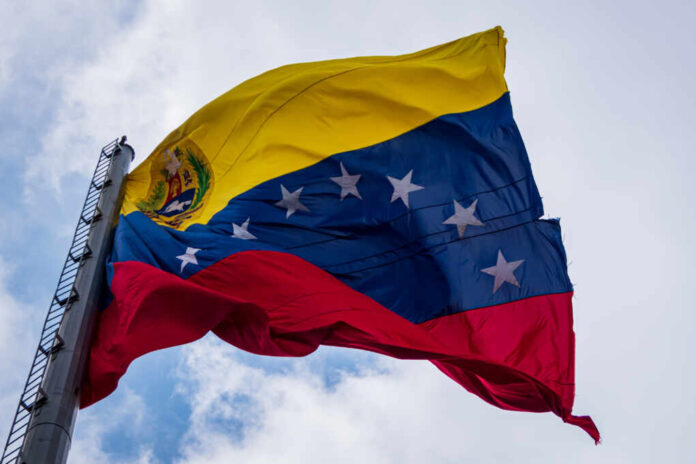
A U.S. president just declared another nation’s airspace officially closed despite having no legal authority to do so under international law.
Story Snapshot
- Trump announced on Truth Social that Venezuela’s airspace is “closed in its entirety” to all aircraft
- The declaration lacks legal authority as the U.S. cannot unilaterally close another country’s airspace
- Six international airlines have already suspended flights to Caracas following FAA warnings
- The move escalates an ongoing military campaign that has killed over 80 people in 20+ strikes since September
- Venezuela’s government condemned the action as “colonialist” and appealed to the United Nations
Presidential Power Meets International Reality
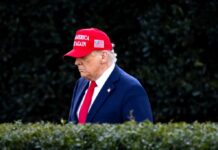
President Trump’s November 29th social media declaration targeting “airlines, pilots, drug dealers, and human traffickers” represents an unprecedented assertion of authority over foreign sovereign territory. The announcement follows weeks of U.S. naval buildup in the Caribbean, including deployment of the USS Gerald Ford carrier strike group. What makes this declaration remarkable is its complete disconnect from legal reality—no nation possesses the authority to unilaterally close another country’s airspace under international aviation law.
Watch:
The Dubious War on Venezuelan Drug Trafficking
The Trump administration justifies this escalation through its designation of Nicolás Maduro’s government as a foreign terrorist organization, claiming this provides legal authority for military strikes inside Venezuelan territory. Since September, the U.S. has conducted at least 20 strikes on suspected drug boats, resulting in over 80 deaths. However, the administration has offered no public evidence proving these vessels were actually smuggling drugs, raising serious questions about the operation’s true objectives.
The timing coincides with Trump’s controversial pardon of former Honduran President Juan Orlando Hernández, who was convicted by a U.S. federal court for actively participating in the drug trade. This glaring contradiction undermines the administration’s stated commitment to fighting narcotics trafficking.
President Trump said Venezuelan airspace is officially closed as tensions grow over alleged drug trafficking. NewsNation's @LibbeyDean_ shares the latest.
MORE: https://t.co/J577oKcLrR pic.twitter.com/udTvqY6O2H
— NewsNation (@NewsNation) November 29, 2025
Venezuela Pushes Back Against American Overreach
Venezuela’s Foreign Ministry responded swiftly, condemning Trump’s declaration as “a hostile, unilateral, and arbitrary act, incompatible with the most basic principles of International Law.” The Venezuelan government characterized the action as a threat to regional security extending beyond Venezuela to “the Caribbean and northern South America.” They’ve appealed to the United Nations and international community to reject what they accurately describe as violations of sovereignty.
The airspace closure has immediate practical consequences beyond military posturing. Venezuelan officials report that Trump’s announcement has “unilaterally suspended the Venezuelan migrant flights that were regularly and weekly being carried out,” effectively halting deportation operations.
International Law Meets American Exceptionalism
While Trump frames this as counterterrorism operations, the lack of international consensus on Venezuela’s terrorist designation leaves the U.S. operating in legal isolation. The precedent of unilateral airspace closures threatens established international aviation standards and could invite similar actions by other powers against American interests.
The broader implications extend beyond Venezuela to regional stability and America’s international credibility. If sustained military intervention occurs, it could trigger massive refugee flows to neighboring countries and the U.S., creating humanitarian crises the administration seems unprepared to address. The operation’s success in actually reducing drug trafficking remains highly questionable, while its potential for regional destabilization appears certain.
Sources:
Trump says airspace above Venezuela should be considered ‘closed’ as he ramps up pressure on Maduro
Venezuela calls Trump airspace closure declaration ‘colonialist’ threat to sovereignty