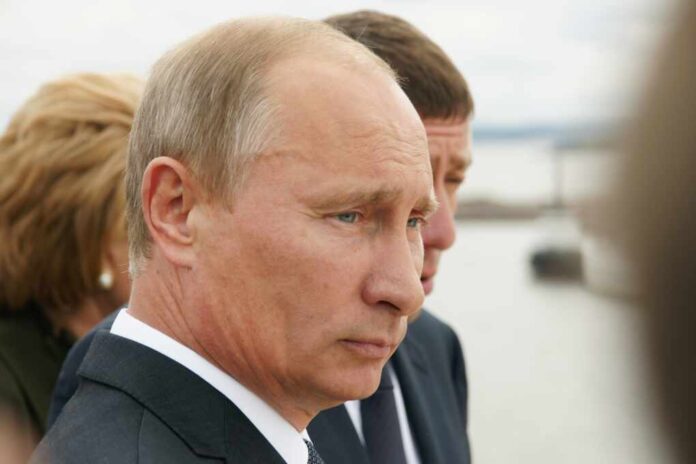
Putin’s Kremlin is orchestrating a diplomatic charade, rejecting a 90% complete peace plan while threatening Ukraine with ultimatums—exposing Moscow’s true intent to dismantle Ukrainian sovereignty.
Story Highlights
- Russia rejects 19-20 point Ukrainian counter-proposals despite 90% completion claims from US negotiators
- Kremlin uses fabricated incidents and corruption allegations to stall talks while planning spring offensive
- Putin demands total territorial control over Donetsk and Luhansk, viewing any Ukrainian sovereignty as defeat
- Trump administration caught between pushing compromise and confronting Moscow’s maximalist demands
Kremlin’s Diplomatic Theater Masks Military Escalation
Moscow’s rejection of near-complete peace negotiations reveals Putin’s fundamental unwillingness to accept any deal preserving Ukrainian statehood. Despite claims by US, Ukrainian, and European negotiators that talks reached 90% completion, the Kremlin maintains distance from agreements, using diplomatic engagement to mask continued military mobilization. Putin’s regime views any settlement leaving Ukraine 80% Western-aligned as regime-threatening defeat, preferring indefinite warfare over compromise that secures Ukrainian sovereignty.
Trump’s Peace Initiative Meets Putin’s Maximalist Demands
President Trump’s direct involvement through negotiator Steve Witkoff produced a 28-point plan co-authored with Kremlin official Kirill Dmitriev, yet Moscow rejected Ukrainian counter-proposals preserving sovereignty. The Kremlin’s insistence on territorial control over Donetsk, Luhansk, and other regions contradicts any genuine peace framework. Putin maintains contact with Trump while escalating rhetoric about “liberating historical lands,” exploiting diplomatic channels to avoid direct confrontation with the administration while pursuing military objectives.
Fabricated Pretexts Derail Progress
Russia employs calculated disruption tactics including alleged Ukrainian drone attacks on Putin’s residence and corruption accusations against Kyiv leadership to justify stalling. The appointment of Kyrylo Budanov replacing Andriy Yermak in Ukrainian negotiations directly counters Moscow’s corruption narrative, yet the Kremlin continues fabricating incidents. These manufactured crises provide cover for Russia’s spring 2026 offensive preparations while maintaining the appearance of diplomatic engagement with the Trump administration.
Watch:
Strategic Implications for American Interests
Putin’s rejection of reasonable compromise undermines Trump’s peace efforts and threatens broader American strategic interests. The Kremlin’s maximalist approach risks prolonged conflict requiring continued US involvement and resources, while Moscow’s territorial demands would legitimize aggression against sovereign nations. Russia’s diplomatic obstruction despite Trump’s direct engagement demonstrates Putin’s fundamental disrespect for American leadership, forcing the administration to consider stronger measures including enhanced sanctions and military support for Ukraine’s legitimate defense needs.
The Kremlin’s “running out of time” ultimatum exposes Moscow’s true intentions—using peace talks as cover for military advance while rejecting any settlement that preserves Ukrainian independence, leaving American leadership with stark choices about confronting Russian aggression.
Sources:
A just peace settlement for Ukraine remains elusive
Putin cannot accept any peace deal that secures Ukrainian statehood
Putin stalling ninety percent complete peace deal
Trump breaks with allies blames Zelenskiy for stalling Ukraine peace talks
EU Commission press release on Ukraine aid package