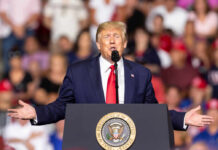

Norway’s Prime Minister’s office just rejected President Trump’s invitation to the Gaza Board of Peace, snubbing America’s bold peace initiative.
Story Snapshot
- Norway declines participation in Trump’s Board of Peace, aligning with European skeptics despite its Nobel Peace Prize hosting legacy.
- Trump’s board aims to implement a 20-point Gaza reconstruction plan but faces backlash for bypassing UN frameworks and granting chair extensive powers.
- EU nations divide: Hungary accepts eagerly, France rejects outright, prompting Trump’s 200% tariff threats on French wine.
- Emergency EU summit on January 23 will debate participation amid escalating transatlantic tensions tied to Greenland disputes.
Norway Rejects Trump’s Peace Vision
Norway’s Prime Minister’s office declined participation in President Donald Trump’s Gaza Board of Peace. Invitations went out in January 2026 to world nations for permanent seats costing $1 billion each, funds directed to post-2023-2025 Gaza conflict reconstruction. Norway’s decision underscores its commitment to UN-centered multilateralism over Trump’s direct approach. This rejection stings given Norway’s Nobel Peace Prize role, now seemingly prioritizing bureaucracy over practical peace efforts.
Norway’s Deputy Foreign Minister Andreas Motzfeldt Kravik says his country will not participate in US President Donald Trump’s “Board of Peace” initiative, citing concerns over its current structure and leadership. pic.twitter.com/7vwklS9hwG
— Al Arabiya English (@AlArabiya_Eng) January 20, 2026
Board of Peace Origins and Structure Draw Fire
Trump unveiled his 20-point Gaza peace plan in September 2025, tasking the Board of Peace with its second-phase implementation. The board’s charter omits Gaza mentions and vests extensive powers in Trump as chair, alarming Europeans who fear it parallels a UN Security Council bypass. Palestinian Authority holds limited senior panel roles despite technocratic involvement, raising legitimacy questions.
Europe Fractures on Participation
France rejected the invitation, citing UN principle threats; Trump hit back with 200% tariff threats on French wine and champagne. Hungary’s Viktor Orbán accepted, his foreign minister calling it an honor, exposing EU rifts. Germany and Italy hold seats but await the January 23 emergency summit on Board participation and Greenland issues. Belgium’s Foreign Minister Maxime Prévot labeled it Trump’s “personal board” replacing the UN. European Commission President Ursula von der Leyen flags mandate flaws and Palestinian underrepresentation.
Tariff Leverage and Broader Tensions
Trump’s January 19 letter to Norway’s PM linked a Nobel snub to foreign policy shifts and U.S. Greenland ownership demands, heightening stakes. Russia’s Putin invitation renders European joins politically toxic for many. Short-term, this entwines with the Greenland crisis, straining transatlantic ties and EU cohesion while tariff threats impose economic pressure. Long-term, success could precedent parallel structures weakening UN dominance, reshaping post-conflict governance. Palestinians suffer a limited voice; Arctic nations face NATO ripples. Conservatives applaud Trump wielding U.S. economic might to rally real partners like Hungary, sidelining obstructionists and advancing peace on American terms without taxpayer burdens or open borders chaos.
Watch:
EU leaders convene Thursday amid fluid dynamics, but Trump’s unyielding stance prioritizes results over consensus, echoing voter mandates against globalism and for sovereignty.
Sources:
Euronews: EU diplomatic responses and Board of Peace analysis