As Ukraine takes its drone war deep into Russia’s energy heartland, American taxpayers are once again left wondering how much of this endless conflict they are still being forced to bankroll.
Story Snapshot
- Ukraine used long-range drones to hit a Russian patrol ship and a Lukoil oil platform in the distant Caspian Sea.
- The strike is part of a wider campaign targeting Russian oil infrastructure and “shadow fleet” tankers that fund Moscow’s war.
- These deep strikes expand the battlefield and risk broader maritime instability far from Ukraine’s front lines.
- Energy and shipping disruptions could ricochet into global prices, once again squeezing American families at the pump.
Ukraine’s New Long-Range Strike in the Caspian Sea
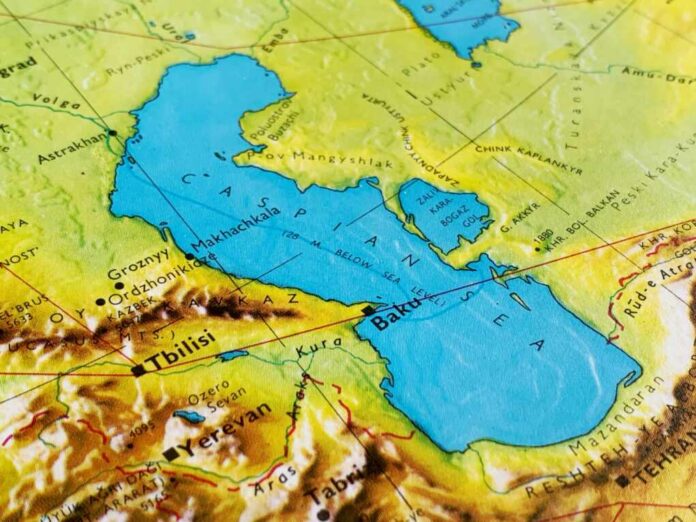
On December 19, 2025, Ukraine’s Special Operations Forces launched kamikaze drones against a Russian Project 22460 “Hunter” patrol ship and a Lukoil oil and gas platform at the Filanovsky field in the Caspian Sea. The Caspian lies far from Ukraine’s land front, so this attack highlights how Kyiv’s drone technology now reaches deep into Russian-controlled waters. Ukrainian officials frame these targets as part of Russia’s war machine because the field’s oil and gas exports feed Moscow’s budget.
Ukrainian authorities say the drilling platform on the Filanovsky rig was damaged, though they are still clarifying the extent of the impact and whether full production has been disrupted. Reports from Ukrainian and international outlets indicate the rig came under additional drone attacks at least twice more in December, suggesting this was not an isolated raid. The patrol ship, a Russian Coast Guard asset, was also struck, but there has been no transparent Russian disclosure about its current status.
Watch:
From Black Sea Skirmishes to Economic Warfare on Oil
Since Russia’s full-scale invasion in 2022, Ukraine has relied heavily on long-range air and sea drones to offset Moscow’s bigger navy, first around Crimea and the Black Sea. Over 2024 and 2025, Kyiv widened that campaign by hitting Russian oil refineries, fuel depots, and support ships, steadily proving it could reach well beyond the front. Ukrainian leaders argue that oil infrastructure is a legitimate military-economic target, since energy exports help fund Russia’s operations, procurement, and overall war budget.
In parallel with the Caspian strike, Ukraine’s Security Service reported a separate drone hit on a Russian “shadow fleet” oil tanker in the Mediterranean Sea. That tanker was part of the murky network of older, often re-flagged vessels Moscow uses to move sanctioned crude under opaque ownership structures. By taking the fight to offshore platforms and tankers, Ukraine is signaling it intends to go after the arteries of Russia’s war economy, not just its battlefield units. This strategy deliberately raises costs and risks across Russia’s broader energy and shipping systems.
"Ukraine-Russia war latest: Kyiv’s forces strike Russian ship and oil rig in fresh assault on Putin’s war machine" – The Independent #SmartNews https://t.co/7nzNFnhcup
— Caroline Ramsey-Hamilton (@RiskAlert) December 20, 2025
Rising Risks for Global Energy, Shipping, and American Consumers
Filanovsky is a significant Lukoil field, with previously reported reserves measured in the tens of billions of cubic meters of gas and well over one hundred million tons of oil. Any lasting disruption or repeated attacks can force shutdowns for safety checks, repairs, and added security. While one platform and a few tankers will not crash global supply on their own, they do contribute to a sense that Russian-linked routes in the Caspian, Black Sea, and Mediterranean are turning into contested zones.
When energy infrastructure becomes a battlefield, insurers respond by raising war-risk premiums, shippers demand higher rates, and cargo owners start rerouting or delaying flows. That friction adds costs that eventually filter into global oil prices.
Strategic Messages and What It Means in the Trump Era
Ukraine’s Caspian operation also functions as psychological warfare, undercutting any belief in Russia’s secure rear. Moscow must now worry about offshore rigs, refineries, and tankers scattered across multiple seas, diverting coast guard and naval assets to guard infrastructure instead of projecting power. That is a military problem for the Kremlin, but it also complicates Western debates about how far Ukrainian strikes should go and where escalation lines might lie, especially around civilian-adjacent energy assets.
For American conservatives, the key question is how U.S. policy intersects with this expanding drone war. Under President Trump’s current administration, Washington has pushed NATO allies to shoulder more of the direct financial burden for Ukraine, pressing Europe to step up rather than treating U.S. taxpayers as an open wallet.
Sources:
Ukraine’s widening campaign against Russian oil infrastructure and shipping
Ukrainian special forces hit Russian Hunter patrol ship with kamikaze drone
Ukraine says it hit Russian oil rig, patrol ship in Caspian Sea
Ukraine’s drone war opens new maritime front against Russian oil and tankers